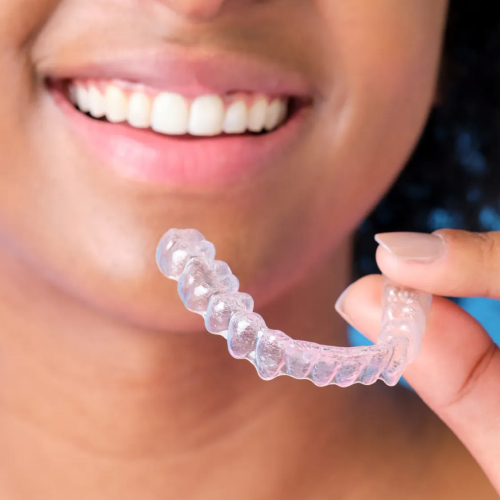
Does Invisalign Stain? What Cypress Patients Need to Know About Keeping Trays Clear
Wondering if Invisalign stains? Learn how to keep aligners clear, clean trays properly, and care for your smile. Contact Cypress Family Dental today!
Read More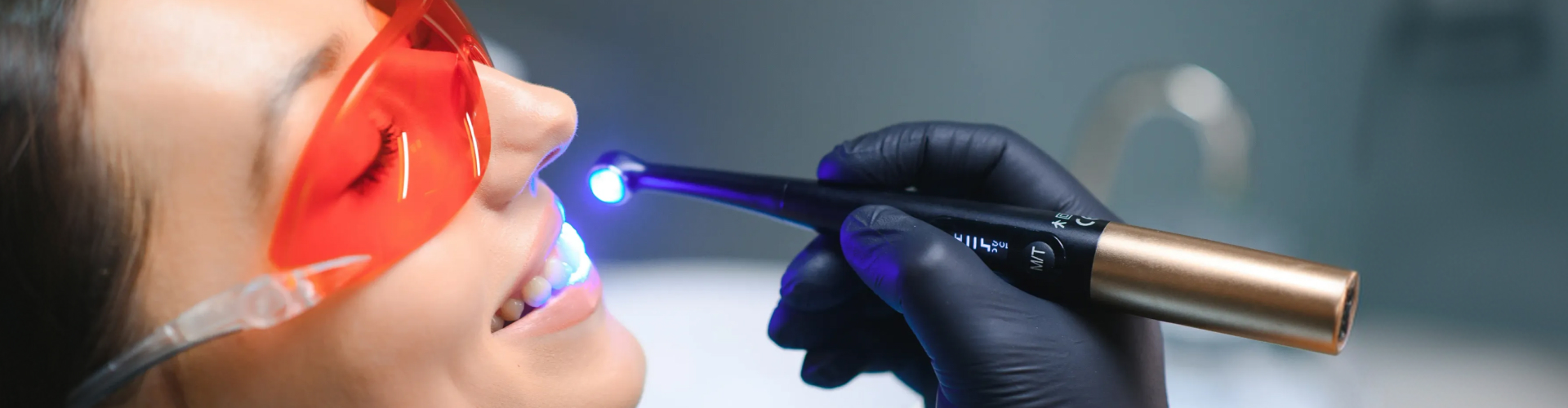
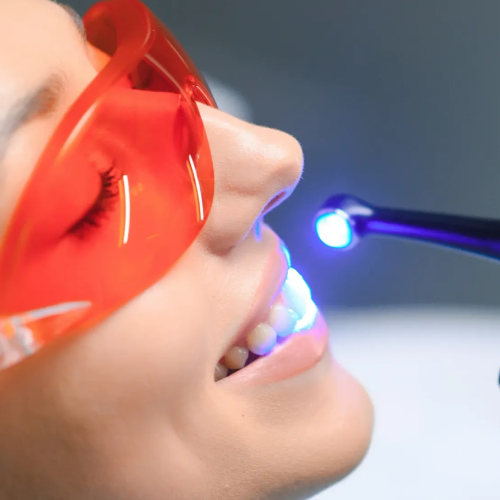
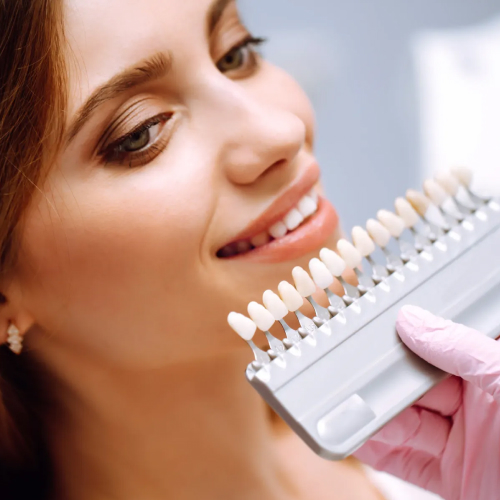
Professional teeth whitening is considered safe when performed by a licensed dentist, but it does cause temporary changes to enamel hardness and can trigger nerve sensitivity — neither of which is permanent with proper precautions. Understanding exactly why sensitivity happens, and how to prevent it, makes the entire experience far more comfortable and predictable. If you're also considering other ways to enhance your smile, aesthetic dentistry options can be explored alongside whitening for a comprehensive approach.
For Cypress-area patients, most people expect some tooth sensitivity after whitening. What catches them off guard is the sharp, electric jolt — often called a "zinger" — that feels nothing like ordinary sensitivity. That distinction matters clinically.
Standard sensitivity during whitening follows the hydrodynamic theory: hydrogen peroxide increases fluid movement within exposed dentinal tubules, stimulating pulpal nerve fibers and producing a dull, generalized ache. That's uncomfortable but predictable.
Zingers are different. They occur when hydrogen peroxide penetrates micro-fractures or craze lines in enamel — tiny surface cracks nearly invisible to the naked eye — and diffuses directly toward the pulp chamber. The result is a sudden, concentrated nerve response that can feel alarming. Many patients assume a tooth has cracked or a nerve is permanently damaged. In most cases, neither is true.
Before applying high-concentration bleaching gels, dentists can map these craze lines using transillumination and seal them with a resin barrier, dramatically reducing the risk of pulpal micro-diffusion. This is one reason the pre-treatment exam matters so much. According to ADA MouthHealthy, talking to your dentist before whitening is essential — not just a formality.
The good news: post-whitening sensitivity, including zingers, is temporary. Nerve fibers are not permanently altered by a professionally supervised session. Sensitivity typically resolves within 24 to 48 hours.
Here is something most whitening articles skip entirely. Whitening does not destroy enamel in a single session, but it does cause a measurable, temporary reduction in enamel surface microhardness. This happens because the bleaching process elutes calcium, phosphate, and organic matrix components from the enamel surface — a window lasting roughly 24 to 48 hours.
During that window, your enamel is not weaker in a permanent sense. Salivary calcium and phosphate naturally restore mineral density through remineralization. But there is a catch: your teeth are structurally more vulnerable to acid erosion during this exact period — not just staining.
Citrus fruits, vinegar-based dressings, carbonated drinks, and other acidic foods can cause mineral loss during this remineralization gap in ways they normally would not. The enamel surface hasn't rebuilt its full acid resistance yet.
Practical guidance for those 48 hours:
As Harvard Health explains, bleaching can be uncomfortable for people with sensitive teeth, and the structural context of enamel is a key reason the ADA recommends consulting a dentist before any bleaching product is used.
ADA News reporting on frequent whitening risks confirms that regular overuse — not a single professional session — is what leads to meaningful enamel erosion and translucency. One or two professionally supervised pro teeth whitening treatments per year is the guideline most experts support.
Standard advice focuses on what to do after sensitivity hits. A more effective strategy starts 10 to 14 days before your appointment.
A proactive pre-conditioning protocol gives your teeth time to reduce baseline nerve excitability and seal open tubules before bleaching gels are applied. Two ingredients drive this approach:
Potassium nitrate (5%): Used in custom trays nightly leading up to treatment, potassium nitrate depolarizes pulpal nerve fibers. This means the nerves become less reactive to stimuli — including the fluid shifts triggered by hydrogen peroxide — before the whitening session even begins.
Nano-hydroxyapatite (n-HAp) dentifrice: This material physically occludes open dentinal tubules by depositing synthetic hydroxyapatite crystals into the tubule openings. Starting with an n-HAp toothpaste two weeks before whitening creates a physical barrier that reduces both baseline sensitivity and whitening-induced pain.
In-office, dentists may also apply glutaraldehyde-based desensitizers like Gluma immediately before gel application. These work by precipitating proteins within tubules, further reducing fluid conductance.
None of these steps require a separate procedure. They integrate naturally into your pre-appointment routine when your dentist outlines a whitening treatment plan. A Healthline overview of teeth whitening safety emphasizes that in-office treatments are especially recommended for patients with sensitivity concerns, precisely because professional oversight allows these protective measures to be built in from the start. A routine cleaning and exam before whitening also ensures your teeth and gums are in the best possible condition before treatment begins.
Permanent enamel damage from whitening is not a myth, but it requires specific conditions that a single professional session does not create. As ADA News reports on whitening risks, it is continuous, unsupervised overuse of over-the-counter products that leads to lasting erosion — not a professionally monitored treatment.
A few factors genuinely increase risk:
WebMD's overview of teeth whitening systems notes that whitening is most appropriate for people with healthy, unrestored teeth — and that those with restorations, dark stains, or multiple fillings should always consult a dentist first.
The pattern that leads to real damage is predictable: someone wants faster or whiter results, skips the dentist, uses high-strength strips daily, and repeats this cycle for months. That is where enamel erosion, gum irritation, and translucent teeth become genuine concerns. A properly spaced professional treatment avoids every one of those variables.
If you've been holding off on whitening because of sensitivity concerns or questions about enamel safety, the best next step is a conversation — not a guess. Cypress Family Dental serves patients throughout Cypress and the surrounding North Orange County area and can evaluate your enamel, identify any craze lines or existing sensitivity, and build a whitening plan that protects your teeth throughout the process. Reach out to schedule your consultation.
This article is for informational purposes only and does not constitute dental or medical advice. Always consult a licensed dental professional before beginning any whitening treatment.
Fresh news from the dental world


Mon - Fri 8AM - 5PM
Sat & Sun Closed
Check out what our patients are saying in Cypress...
..png)

“The Doctors Are Just Stellar”
The sweetest people work here, I'm convinced! The ladies at the front desk always go out of their way to be kind and helpful, the hygienists listen to your concerns and will address them to their best ability, and the doctors are just stellar. I drive over 40 min from where I live to go here because it's rare to find a dental office this fantastic.

“They Are So Efficient”
This is the best dentist I have been to and I have been to several. The team is professional and welcoming. They are never over-booked and I have never waited more than 5 minutes in the lobby. They are so efficient, no matter what I go in for, I am out in 45 minutes or less. I highly recommend Cypress Family Dental.

“A Very Pleasant Experience”
My visit to the Cypress Family Dental office today was a very pleasant experience. The front desk staff greeted me upon entering the office and efficiently confirmed my scheduled appointment. I'm seen within a short time by professional, knowledgeable and comfortable staff. They're open to various types of insurance and are flexible on terms. Overall, I would definitely recommend Cypress Family Dental.

“They Truly Care”
The dentist and his staff are wonderful people! In the past, I have had horrible experiences at other dentist offices and then I found this place and I don't think I would ever go anywhere else again. I live about 45 min away from their office but the drive is well worth it. They truly care about their patients. I would recommend this office to anyone.

“The Staff Did A Great Job”
Came to Cypress Family Dental a year ago for my sleep apnea device. No more snoring! The staff did a great job fitting me for this oral appliance. Better yet, they were there to support me when I needed some adjustments later on. The front office staff couldn't have been more accommodating to schedule me in. Easy to recommend.
..png)
“They're All Top Notch”
I'm so happy to have found this awesome dentist with an awesome staff. I am completely confident in the doctor's skill level, and completely comfortable relying on him to work on me without allowing me to experience unnecessary pain. In addition to having a good relationship with the dentist, being able to relate with the office staff is equally important to me. From the hygienist to the dental assistants to the front desk, they're all top notch.
“The Doctors Are Just Stellar”
The sweetest people work here, I'm convinced! The ladies at the front desk always go out of their way to be kind and helpful, the hygienists listen to your concerns and will address them to their best ability, and the doctors are just stellar. I drive over 40 min from where I live to go here because it's rare to find a dental office this fantastic.
“They Are So Efficient”
This is the best dentist I have been to and I have been to several. The team is professional and welcoming. They are never over-booked and I have never waited more than 5 minutes in the lobby. They are so efficient, no matter what I go in for, I am out in 45 minutes or less. I highly recommend Cypress Family Dental.
Check out our accreditations, sources, and relationships in the wide world of dentistry...


Check us out and follow our Cypress dental practice on social media...


