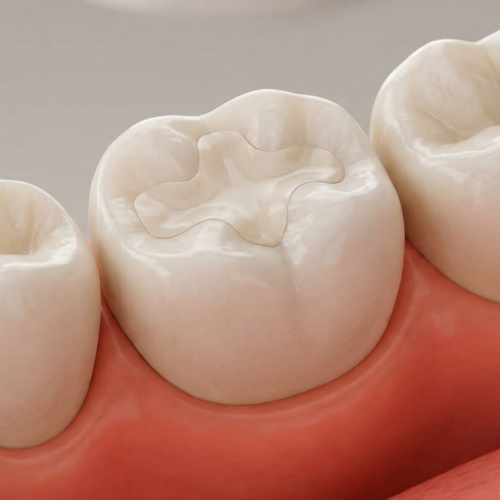
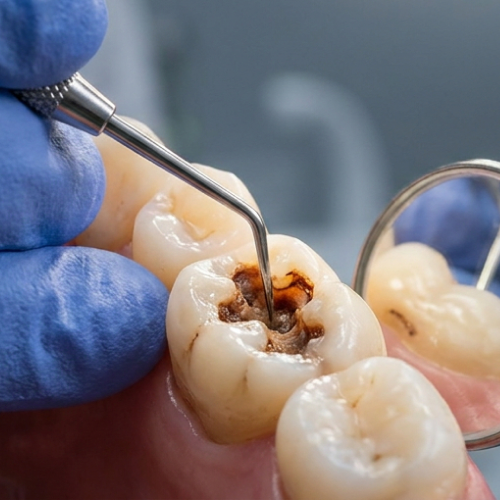
When Does a Cavity Actually Need a Dental Filling or Onlay?
Wondering if you need a dental filling or onlay? Learn when dentists treat decay and how to protect your smile. Book your visit to Cypress Family Dental today!
Read More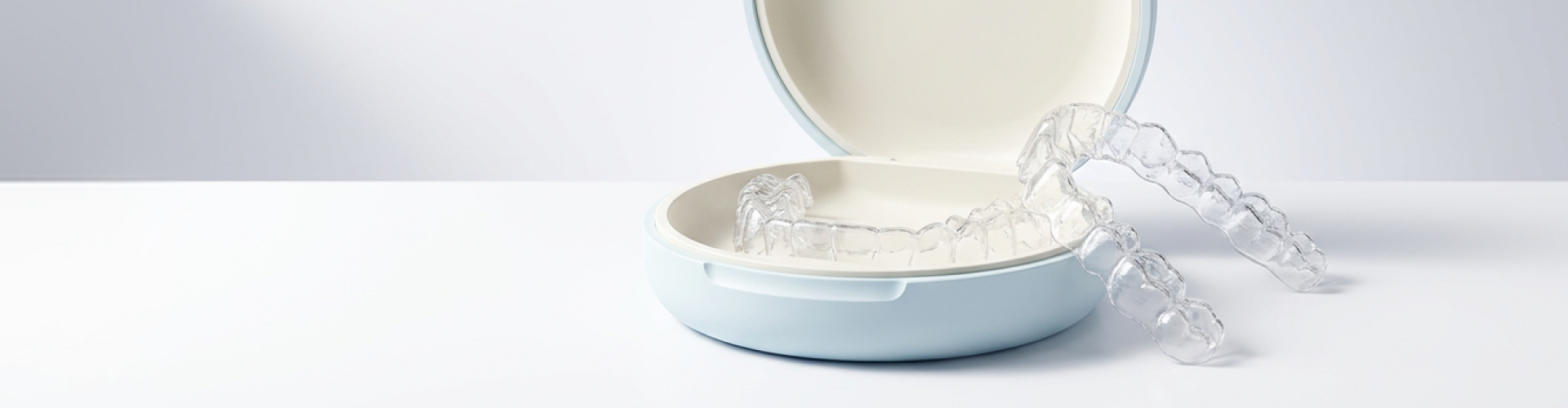
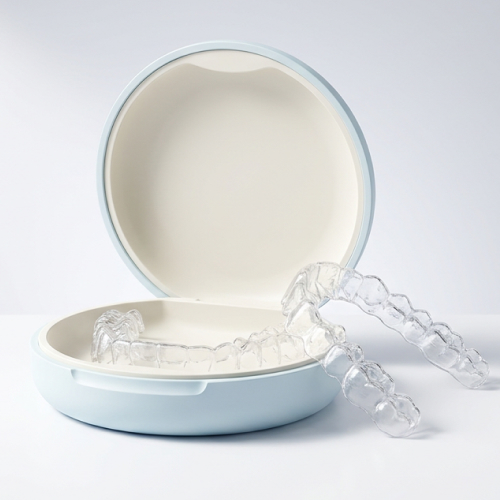
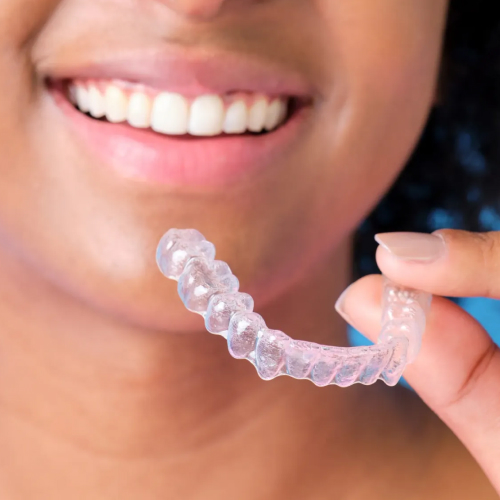
Invisalign aligners are made from a clear thermoplastic material that can pick up stains over time, but proper habits keep them looking nearly invisible. Understanding the material, the design, and your daily routine makes a real difference in how your aligners perform throughout treatment.
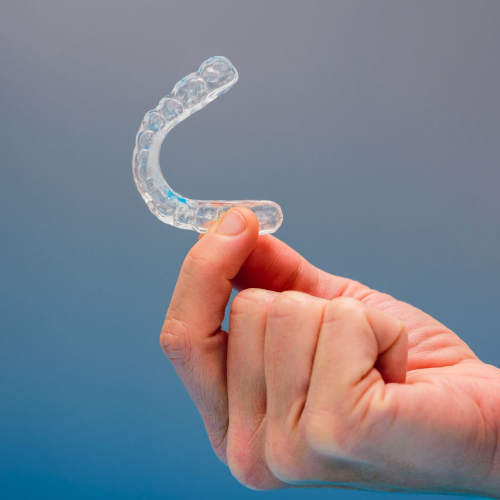
Invisalign aligners are made from a patented thermoplastic called SmartTrack. According to Healthline, this flexible material fits closely over your teeth and is designed to be BPA-free, durable, and nearly transparent.
That clarity is also its vulnerability. SmartTrack is a porous-surface plastic, which means it can absorb pigments from food, drinks, and bacteria over time. Coffee, tea, and red wine are the most common culprits. Even colored mouthwash used while aligners are in can cause visible yellowing.
The good news: aligners are replaced every one to two weeks. Short replacement cycles mean staining rarely becomes permanent — as long as you follow basic care habits.
What actually causes staining:
A Healthline overview on Invisalign care notes that patients who commit to wearing aligners 20 to 22 hours per day tend to see better outcomes — and consistent wearers also tend to develop the cleaning habits that prevent discoloration.
One often-overlooked stain source: your own teeth. If plaque or tartar builds up on teeth before you reinsert aligners, that film transfers directly to the tray interior. Healthline's guide on post-braces stains explains how plaque bacteria release acids that damage enamel and leave behind discoloration — the same bacterial environment inside a poorly cleaned aligner tray. Staying current with your cleaning and exam appointments helps keep plaque and tartar from undermining your aligner results.
Here's a design detail most patients never think to ask about: the shape of the aligner's edge along your gumline.
Invisalign uses a scalloped gingival margin — meaning the tray edge follows the natural curve of each tooth's gumline rather than cutting straight across. This design keeps the aligner in closer contact with the tooth surface all the way down to the gum.
Research published in the Journal of Clinical Orthodontics examined how gingival-margin design affects aligner retention. The study found that scalloped borders extend up to the free gingival margins on both the front and back surfaces of the aligner. While this design improves contact along the tooth, the research also noted that flexibility at the gingival margin can affect how much force is delivered near the gumline.
Why does this matter to you as a patient?
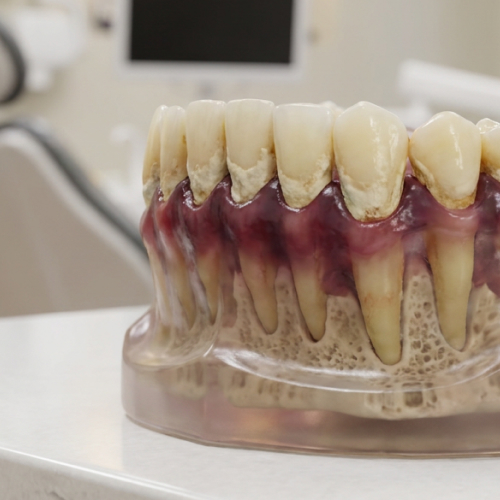
If bacteria are allowed to accumulate along the gumline during treatment, it can contribute to gum disease gingivitis — making consistent oral hygiene especially important while wearing aligners.
SmartForce attachments work alongside this design. How Invisalign aligners are made explains that these tooth-colored protrusions allow the aligner to exert more precise force on teeth requiring complex movement. The scalloped edge helps the tray grip those attachments more securely.
Staining is largely preventable. Small daily habits protect both the clarity of your trays and the health of your teeth underneath them.
Remove before eating or drinking anything colored. This is the single most effective rule. Even a few minutes of contact with coffee while the aligner is in can begin to tint the plastic.
Rinse immediately after removal. Saliva dries on the tray surface and creates a film that harbors bacteria and odor. A quick cold-water rinse prevents buildup between cleanings.
Clean trays gently. Use a soft toothbrush with clear, unscented soap or the Invisalign cleaning crystals. Avoid colored or strongly flavored toothpaste — the abrasives and dyes can scratch or tint the plastic.
Never use hot water. Heat degrades SmartTrack material, altering the fit. A warped tray no longer applies the right pressure to your teeth, which can slow or disrupt progress.
Brush and floss before reinserting. Placing a clean aligner over unbrushed teeth traps bacteria and acids directly against enamel — a fast path to both tray discoloration and cavity fillings down the road.
These habits matter beyond aesthetics. Consistent aligner wear and good hygiene are what make treatment effective. Patients in Cypress and La Palma who stay disciplined with these routines tend to finish treatment on schedule and with healthier enamel.
If you're considering clear aligner treatment or have questions about keeping your trays clean and effective, Cypress Family Dental is here to help. Our team serves patients throughout Cypress and the surrounding North Orange County area. Reach out to schedule a consultation and get personalized guidance for your aesthetic dentistry smile goals.
This article is for informational purposes only and does not constitute professional dental advice. Please consult a licensed dental provider for guidance specific to your oral health needs.
Fresh news from the dental world
Mon - Fri 8AM - 5PM
Sat & Sun Closed
Check out what our patients are saying in Cypress...
..png)

“The Doctors Are Just Stellar”
The sweetest people work here, I'm convinced! The ladies at the front desk always go out of their way to be kind and helpful, the hygienists listen to your concerns and will address them to their best ability, and the doctors are just stellar. I drive over 40 min from where I live to go here because it's rare to find a dental office this fantastic.

“They Are So Efficient”
This is the best dentist I have been to and I have been to several. The team is professional and welcoming. They are never over-booked and I have never waited more than 5 minutes in the lobby. They are so efficient, no matter what I go in for, I am out in 45 minutes or less. I highly recommend Cypress Family Dental.

“A Very Pleasant Experience”
My visit to the Cypress Family Dental office today was a very pleasant experience. The front desk staff greeted me upon entering the office and efficiently confirmed my scheduled appointment. I'm seen within a short time by professional, knowledgeable and comfortable staff. They're open to various types of insurance and are flexible on terms. Overall, I would definitely recommend Cypress Family Dental.

“They Truly Care”
The dentist and his staff are wonderful people! In the past, I have had horrible experiences at other dentist offices and then I found this place and I don't think I would ever go anywhere else again. I live about 45 min away from their office but the drive is well worth it. They truly care about their patients. I would recommend this office to anyone.

“The Staff Did A Great Job”
Came to Cypress Family Dental a year ago for my sleep apnea device. No more snoring! The staff did a great job fitting me for this oral appliance. Better yet, they were there to support me when I needed some adjustments later on. The front office staff couldn't have been more accommodating to schedule me in. Easy to recommend.
..png)
“They're All Top Notch”
I'm so happy to have found this awesome dentist with an awesome staff. I am completely confident in the doctor's skill level, and completely comfortable relying on him to work on me without allowing me to experience unnecessary pain. In addition to having a good relationship with the dentist, being able to relate with the office staff is equally important to me. From the hygienist to the dental assistants to the front desk, they're all top notch.
“The Doctors Are Just Stellar”
The sweetest people work here, I'm convinced! The ladies at the front desk always go out of their way to be kind and helpful, the hygienists listen to your concerns and will address them to their best ability, and the doctors are just stellar. I drive over 40 min from where I live to go here because it's rare to find a dental office this fantastic.
“They Are So Efficient”
This is the best dentist I have been to and I have been to several. The team is professional and welcoming. They are never over-booked and I have never waited more than 5 minutes in the lobby. They are so efficient, no matter what I go in for, I am out in 45 minutes or less. I highly recommend Cypress Family Dental.
Check out our accreditations, sources, and relationships in the wide world of dentistry...


Check us out and follow our Cypress dental practice on social media...


