Can Gum Disease Be Reversed or Is Periodontitis Permanent?
Can gum disease be reversed, or is periodontitis permanent? Learn the stages of gum infection and how to protect your smile. Schedule an exam with us today!
Read More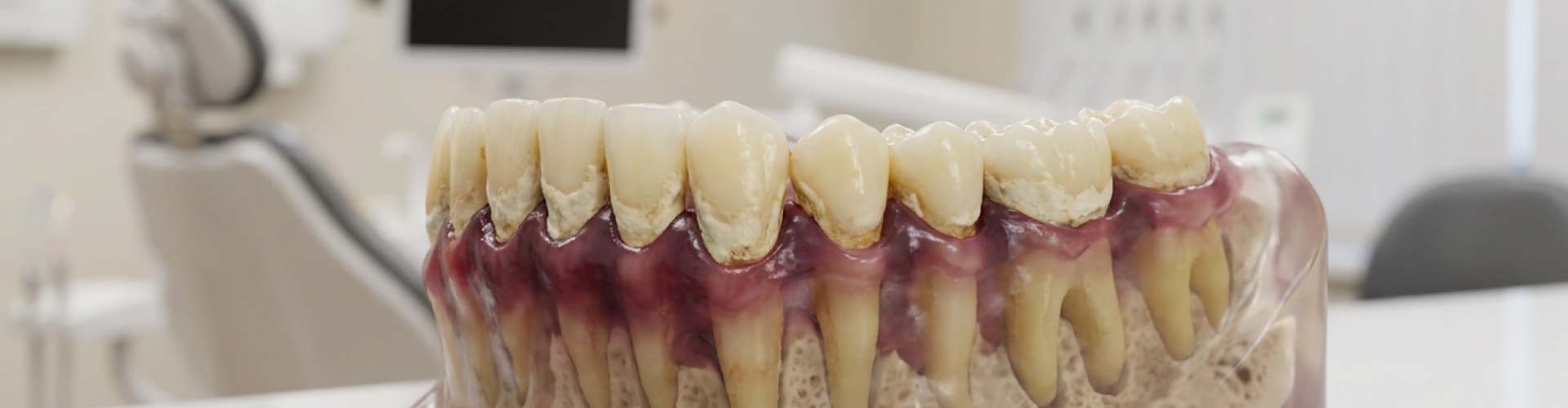
Gingivitis can be fully reversed with proper care, but periodontitis causes permanent structural changes that can only be arrested — not undone. The difference between these two outcomes often comes down to a few millimeters measured during your dental exam, and certain health and lifestyle factors can compress the timeline from years to under 12 months.
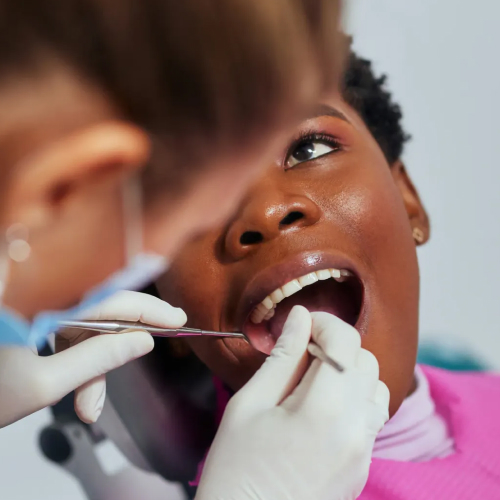
During a routine exam, your hygienist calls out numbers while probing around each tooth. Most patients tune this out. For Cypress-area patients, understanding what those numbers mean is actually the fastest way to know where you stand.
According to the NIDCR, healthy pockets measure between 1 and 3 millimeters. A reading of 4mm or more signals a problem — but which problem matters enormously.
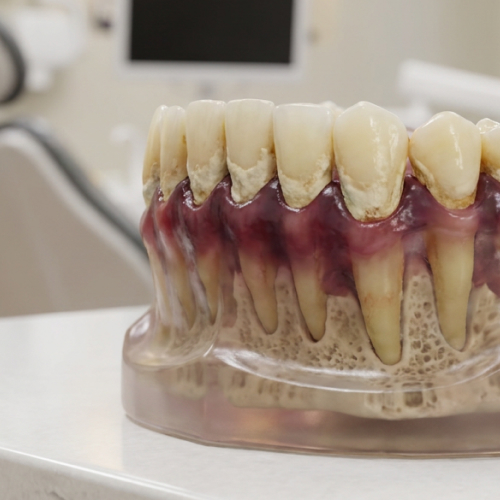
Here's the critical distinction most articles skip: a 4mm reading is not automatically a sentence. When a pocket reads 4mm because inflamed, swollen gum tissue has puffed upward — without any actual loss of the connective tissue anchoring the tooth — that's called a pseudopocket. The bone is intact. The attachment is intact. With thorough professional cleaning and exam and consistent home care, that tissue can return to 1–3mm in as little as 10–14 days. That's still gingivitis, and it's still fully reversible.
The line into permanent territory is called Clinical Attachment Loss (CAL). When a 4mm or deeper pocket is accompanied by CAL — meaning the connective tissue and bone have actually receded — the disease has crossed into periodontitis. That lost attachment does not regenerate on its own. The pocket reading alone doesn't tell the whole story; your dentist evaluates the pocket depth alongside bone levels on X-rays and the position of the gumline together. That combination is what determines whether you're dealing with reversible inflammation or irreversible structural damage.
This is why skipping exams is risky. Periodontitis is largely silent. As WebMD notes, symptoms like sensitive teeth, receding gums, and shifting teeth often don't appear until significant damage has already occurred.
The standard answer to "how long until gingivitis becomes periodontitis?" is "months to years." That's technically true but not very useful. For certain patients, the timeline compresses dramatically.
Three accelerators stand out:
Uncontrolled blood sugar. When HbA1c climbs above 7%, the immune response to oral bacteria becomes dysregulated and more destructive. Research highlighted by Harvard Health found that people with diabetes who received periodontal treatment had measurably lower healthcare costs and hospitalizations — a finding that underscores just how tightly the mouth-body connection operates. For someone with poorly controlled diabetes, what might take years in a healthy patient can progress in under 12 months.
Mouth breathing and severe dry mouth. Saliva is a natural buffer against bacterial acid and plaque accumulation. Chronic mouth breathing or medication-induced xerostomia removes that buffer, allowing bacterial biofilm to thrive far more aggressively.
Vaping and nicotine use. Nicotine constricts blood vessels, which suppresses the bleeding response. This is particularly deceptive — vapers may see no blood when brushing and assume their gums are healthy, while microvascular bone resorption accelerates beneath the surface. The absence of bleeding is not a clean bill of health for nicotine users.
Penn Dental Medicine reports that roughly 42% of American adults over 30 have some form of gum disease gingivitis, yet only about 3% seek treatment. If any of the accelerators above apply to you, that statistic should feel urgent.
When patients ask "can periodontitis be cured?" the honest answer requires reframing the question. The goal isn't cure — it's clinical stability. That distinction matters practically, psychologically, and for how your ongoing dental care is structured.
Successful periodontal treatment — typically scaling and root planing, sometimes combined with antibiotics or surgical intervention in advanced cases — aims to eliminate active infection, halt bone loss, and reduce pocket depths to a maintainable range. When that's achieved, the disease is classified as arrested. Zero bleeding on probing, stable pocket depths, no progressive bone loss on X-rays. That's a genuinely excellent outcome.
What it doesn't mean is that the bone regrows or that the lost attachment returns. The periodontium has been stabilized on a reduced foundation. This is why the standard of care shifts after successful periodontal treatment: patients move from standard preventive cleanings (typically twice yearly) to supportive periodontal maintenance visits every three to four months. The more frequent schedule isn't a sign that something is wrong — it's the protocol that keeps disease arrested long-term.
As the NCBI's StatPearls resource on periodontal disease confirms, early detection and timely intervention are crucial to preventing complications, particularly in patients with systemic conditions like diabetes and cardiovascular disease. Caught early, the prognosis for maintaining your natural teeth is genuinely good. In cases where disease has progressed significantly, options such as tooth extraction or dental implants may become part of the conversation, but the goal of early intervention is always to avoid reaching that point.
The practical takeaway: gingivitis is reversible, full stop. Periodontitis is manageable and arrestable, not a death sentence for your teeth — but it requires consistent professional maintenance for the rest of your life.
If you've noticed bleeding gums, sensitivity, or it's simply been a while since your last exam, now is the right time to get a clear picture of where you stand. Cypress Family Dental serves patients throughout Cypress and the surrounding North Orange County area. Our team can assess your pocket depths, review your risk factors, and build a plan that meets you at your current stage — whether that means a standard cleaning or a deeper conversation about endodontic root canal or periodontal care.
This article is for informational purposes only and does not constitute medical or dental advice. Please consult a licensed dental professional for diagnosis and treatment recommendations specific to your situation.
Fresh news from the dental world
Mon - Fri 8AM - 5PM
Sat & Sun Closed
Check out what our patients are saying in Cypress...
..png)

“The Doctors Are Just Stellar”
The sweetest people work here, I'm convinced! The ladies at the front desk always go out of their way to be kind and helpful, the hygienists listen to your concerns and will address them to their best ability, and the doctors are just stellar. I drive over 40 min from where I live to go here because it's rare to find a dental office this fantastic.

“They Are So Efficient”
This is the best dentist I have been to and I have been to several. The team is professional and welcoming. They are never over-booked and I have never waited more than 5 minutes in the lobby. They are so efficient, no matter what I go in for, I am out in 45 minutes or less. I highly recommend Cypress Family Dental.

“A Very Pleasant Experience”
My visit to the Cypress Family Dental office today was a very pleasant experience. The front desk staff greeted me upon entering the office and efficiently confirmed my scheduled appointment. I'm seen within a short time by professional, knowledgeable and comfortable staff. They're open to various types of insurance and are flexible on terms. Overall, I would definitely recommend Cypress Family Dental.
..png)
“They're All Top Notch”
I'm so happy to have found this awesome dentist with an awesome staff. I am completely confident in the doctor's skill level, and completely comfortable relying on him to work on me without allowing me to experience unnecessary pain. In addition to having a good relationship with the dentist, being able to relate with the office staff is equally important to me. From the hygienist to the dental assistants to the front desk, they're all top notch.

“They Truly Care”
The dentist and his staff are wonderful people! In the past, I have had horrible experiences at other dentist offices and then I found this place and I don't think I would ever go anywhere else again. I live about 45 min away from their office but the drive is well worth it. They truly care about their patients. I would recommend this office to anyone.

“The Staff Did A Great Job”
Came to Cypress Family Dental a year ago for my sleep apnea device. No more snoring! The staff did a great job fitting me for this oral appliance. Better yet, they were there to support me when I needed some adjustments later on. The front office staff couldn't have been more accommodating to schedule me in. Easy to recommend.
“The Doctors Are Just Stellar”
The sweetest people work here, I'm convinced! The ladies at the front desk always go out of their way to be kind and helpful, the hygienists listen to your concerns and will address them to their best ability, and the doctors are just stellar. I drive over 40 min from where I live to go here because it's rare to find a dental office this fantastic.
“They Are So Efficient”
This is the best dentist I have been to and I have been to several. The team is professional and welcoming. They are never over-booked and I have never waited more than 5 minutes in the lobby. They are so efficient, no matter what I go in for, I am out in 45 minutes or less. I highly recommend Cypress Family Dental.
Check out our accreditations, sources, and relationships in the wide world of dentistry...


Check us out and follow our Cypress dental practice on social media...


