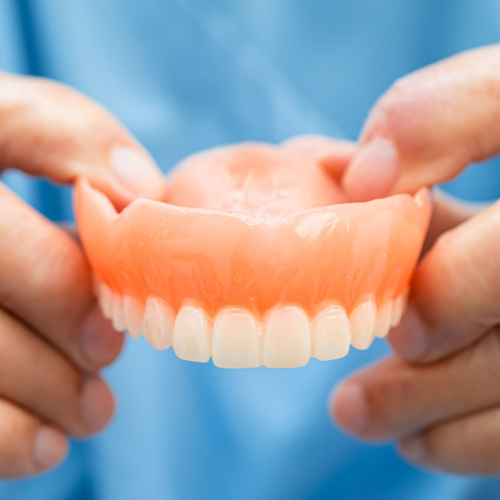
How Much Does It Cost to Replace All Your Teeth With Dentures?
Wondering about the cost to replace all your teeth with dentures? Learn about traditional & snap-on denture prices. Read our guide & schedule a visit today!
Read More
Tooth extraction is often necessary to maintain overall dental health, but it can lead to bone loss if not managed properly. Understanding the timeline and strategies for improving bone growth after extraction is crucial for maintaining a healthy jawbone and preventing future dental issues.
Bone loss after tooth extraction is a common and natural process, but understanding the timeline and progression can help in taking proactive steps to mitigate its effects.
Immediate Changes Post-Extraction
Bone loss can begin almost immediately after a tooth is extracted. The jawbone relies on the stimulation from the teeth to maintain its density and volume. This stimulation comes from the forces exerted by chewing and biting, which signal the body to keep the bone tissue strong and healthy. When a tooth is removed, this stimulation ceases, leading to gradual bone resorption as the body starts to break down and absorb the bone tissue that is no longer being used.
The First Few Weeks
In the first few weeks following an extraction, the body initiates a healing process that involves the resorption of the bone that previously supported the tooth. This phase is critical, as it sets the stage for the level of bone loss that will follow. During this period, the blood clot formed in the socket begins to transform into granulation tissue, and eventually, new bone starts to form, albeit not as dense as the original bone.
The First Three Months
Typically, significant bone loss can occur within the first three months post-extraction. During this time, the alveolar bone, which holds the teeth in place, starts to shrink and lose height and width. Studies indicate that approximately 25% of bone width is lost within the first year, and most of this occurs in the first three months. This rapid resorption can lead to a noticeable reduction in the bone's volume and density, potentially affecting the stability of surrounding teeth and the overall structure of the jaw.
Six Months and Beyond
Without intervention, bone loss continues progressively over time. By six months post-extraction, the rate of bone loss typically slows down, but it does not stop. The bone continues to remodel and resorb at a slower pace. Over the years, this ongoing bone loss can compromise the structural integrity of the jaw and affect the alignment of remaining teeth, leading to functional and aesthetic issues. The lack of bone can also complicate future dental procedures, such as the placement of implants or dentures.
Reversing bone loss in the jaw is challenging but not impossible. Early intervention is key. Bone grafting is a common procedure used to restore lost bone. This technique involves transplanting bone tissue to the affected area, encouraging new bone growth. Another innovative approach is the use of Platelet-Rich Plasma (PRP) therapy, which harnesses the body's own healing capabilities to promote bone regeneration. However, the success of these procedures depends on the extent of bone loss and the individual's overall health.
Improving bone growth after a tooth extraction involves a combination of medical interventions and lifestyle changes. Here's an in-depth look at the most effective strategies:
Bone Grafting
Bone grafting is a surgical procedure that involves transplanting bone tissue to the extraction site. This can significantly improve bone growth by providing a scaffold for new bone to grow. The graft material can be taken from another part of the patient’s body (autograft), from a donor (allograft), or made from synthetic materials. Bone grafting can be performed at the time of extraction or later, depending on the patient's needs and the extent of bone loss. This procedure is often necessary to create a stable foundation for dental implants.
Dental Implants
Dental implants are one of the best solutions for preventing bone loss after extraction. When a dental implant is placed into the jawbone, it acts like a natural tooth root, providing the necessary stimulation to maintain bone density. This prevents the bone resorption that typically occurs when a tooth is missing. Implants are usually made of titanium, which is biocompatible and integrates well with bone tissue. It's advisable to consider dental implants soon after extraction to maximize their effectiveness in preserving bone.
PRP Therapy
Platelet-Rich Plasma (PRP) therapy involves using a concentration of the patient’s own platelets to accelerate healing and bone growth. During the procedure, a small amount of blood is drawn from the patient, processed to concentrate the platelets, and then injected into the extraction site. The growth factors in PRP enhance tissue regeneration and bone formation. This therapy is often used in conjunction with bone grafting to improve outcomes and speed up the recovery process.
Healthy Diet
A balanced diet rich in essential nutrients plays a vital role in bone health. Calcium, vitamin D, and phosphorus are particularly important for bone growth and maintenance. Foods such as dairy products, leafy greens, nuts, seeds, fish, and fortified cereals can help supply these nutrients. Additionally, magnesium and vitamin K found in foods like avocados, bananas, and green leafy vegetables also support bone health. Maintaining a nutrient-rich diet not only aids in bone regeneration but also boosts overall health.
Avoid Smoking
Smoking has a detrimental effect on bone health as it impairs blood flow, reduces oxygen levels in the blood, and hampers the healing process. Nicotine constricts blood vessels, limiting the supply of essential nutrients to the bone tissue. This can significantly delay or even prevent proper bone regeneration. Quitting smoking before and after tooth extraction can greatly improve your chances of successful bone growth and overall oral health.
Regular Dental Check-Ups
Routine dental check-ups are essential for monitoring your oral health and the progress of bone regeneration. During these visits, your dentist can assess the condition of your jawbone, identify any signs of bone loss early on, and recommend appropriate treatments or interventions. Regular check-ups also ensure that any complications arising from the extraction or subsequent procedures are promptly addressed, helping to maintain the overall health of your mouth.
Taking proactive steps to enhance bone growth after a tooth extraction can prevent complications and ensure long-term dental health. If you're facing a tooth extraction or concerned about bone loss, schedule an appointment with us today. Our experienced team will guide you through the best options to maintain a healthy, strong jaw bone.
Fresh news from the dental world



Mon - Fri 8AM - 5PM
Sat & Sun Closed
Check out what our patients are saying in Cypress...
..png)

“The Doctors Are Just Stellar”
The sweetest people work here, I'm convinced! The ladies at the front desk always go out of their way to be kind and helpful, the hygienists listen to your concerns and will address them to their best ability, and the doctors are just stellar. I drive over 40 min from where I live to go here because it's rare to find a dental office this fantastic.

“They Are So Efficient”
This is the best dentist I have been to and I have been to several. The team is professional and welcoming. They are never over-booked and I have never waited more than 5 minutes in the lobby. They are so efficient, no matter what I go in for, I am out in 45 minutes or less. I highly recommend Cypress Family Dental.

“They Truly Care”
The dentist and his staff are wonderful people! In the past, I have had horrible experiences at other dentist offices and then I found this place and I don't think I would ever go anywhere else again. I live about 45 min away from their office but the drive is well worth it. They truly care about their patients. I would recommend this office to anyone.

“The Staff Did A Great Job”
Came to Cypress Family Dental a year ago for my sleep apnea device. No more snoring! The staff did a great job fitting me for this oral appliance. Better yet, they were there to support me when I needed some adjustments later on. The front office staff couldn't have been more accommodating to schedule me in. Easy to recommend.

“A Very Pleasant Experience”
My visit to the Cypress Family Dental office today was a very pleasant experience. The front desk staff greeted me upon entering the office and efficiently confirmed my scheduled appointment. I'm seen within a short time by professional, knowledgeable and comfortable staff. They're open to various types of insurance and are flexible on terms. Overall, I would definitely recommend Cypress Family Dental.
..png)
“They're All Top Notch”
I'm so happy to have found this awesome dentist with an awesome staff. I am completely confident in the doctor's skill level, and completely comfortable relying on him to work on me without allowing me to experience unnecessary pain. In addition to having a good relationship with the dentist, being able to relate with the office staff is equally important to me. From the hygienist to the dental assistants to the front desk, they're all top notch.
“The Doctors Are Just Stellar”
The sweetest people work here, I'm convinced! The ladies at the front desk always go out of their way to be kind and helpful, the hygienists listen to your concerns and will address them to their best ability, and the doctors are just stellar. I drive over 40 min from where I live to go here because it's rare to find a dental office this fantastic.
“They Are So Efficient”
This is the best dentist I have been to and I have been to several. The team is professional and welcoming. They are never over-booked and I have never waited more than 5 minutes in the lobby. They are so efficient, no matter what I go in for, I am out in 45 minutes or less. I highly recommend Cypress Family Dental.
Check out our accreditations, sources, and relationships in the wide world of dentistry...


Check us out and follow our Cypress dental practice on social media...


