Filling, Inlay, or Crown: Which Restoration Actually Protects Your Tooth?
Is an inlay better than a filling? Learn if a large filling is better than a dental crown for long-term protection. Visit Cypress Family Dental to find out!
Read More
When you're chowing down on a particularly crunchy snack and feel an unexpected sensation, or when you wake up in the morning with a mysterious discomfort in your mouth, the culprit could be a cracked tooth. Dental woes can be a significant pain, both literally and figuratively, but fear not! I'm here to shed some light on the enigma of cracked teeth. Buckle up because we're about to embark on a deep dive into all things 'cracked tooth.'
We've all experienced this at one point or another: biting into something hard and feeling a sudden sharp pain in our mouth. But just how bad is a cracked tooth really? And when should you start pushing the panic button?
The bad news is a cracked tooth can be pretty unpleasant. The pain can be sharp or dull, constant or intermittent, and can occur while eating, drinking, or even breathing in cold air. And if you think that sounds a nightmare-ish, wait until the crack reaches the root. Hello, excruciating pain and hello, emergency dentist appointment.
The good news, though, is that not all cracks are created equal. If you've got a tiny, superficial crack - often called 'craze lines' - you might not even feel it. These are generally harmless and don't require any treatment. But when the crack extends into the pulp of the tooth, that's when you'll feel it, and that's when you'll need to see a dentist, pronto.
We hate to be the bearer of bad news, but a cracked tooth is not like a cracked bone. Teeth are not self-healing. Unlike other tissues in our body, once tooth enamel or dentin is damaged, it can't regenerate. So, you can't just 'walk off' a cracked tooth.
Even a minor crack can open the door for bacteria to enter into your tooth. If the crack progresses and reaches the pulp - the vital, living part of the tooth that contains nerves and blood vessels - it can cause the pulp to become infected and die. And trust us, that's not something you want to deal with.
Instead, if you suspect you have a cracked tooth, your best bet is to book an appointment with your dentist as soon as possible. They can help diagnose the issue and guide you on the appropriate treatment plan to prevent further damage and complications.
Leaving a cracked tooth untreated isn't a harmless decision. The consequences can be severe and far-reaching, affecting more than just your dental health. Here are some key points to consider:
Infection and Abscess: An untreated cracked tooth serves as a gateway for bacteria to enter your tooth, reaching down to the pulp, where they can start a party of infection. In some cases, they even establish a painful pus-filled pocket called an abscess, which can be an excruciating experience.
Tooth Loss: The plot thickens when the crack extends below the gum line. In such cases, the tooth often becomes unsalvageable, leading to extraction being the only way out. Yep, that's right! An untreated cracked tooth could cost you your precious pearly white.
Systemic Health Risks: This dental issue doesn't limit its impact to your mouth alone. It can take a sinister turn if the bacterial infection spreads to other parts of your body. It's alarming, but true, untreated dental infections have been associated with serious health conditions like heart disease, diabetes, and even stroke. Your cracked tooth could potentially crack up your overall health.
Impact on Self-confidence: Last but not least, consider the toll it takes on your self-confidence. With a cracked tooth, especially one that escalates to tooth loss, you might find yourself less willing to flash your smile. Struggles with appearance and ongoing oral health issues can cast a long shadow over your daily life and emotional wellbeing.
So, if you've got a cracked tooth, don't delay that dentist appointment. Responding quickly can save you from these significant complications and keep your smile bright and healthy!
Now that we've gone through all the doom and gloom, let's talk solutions. Because yes, there's definitely hope for that cracked tooth!
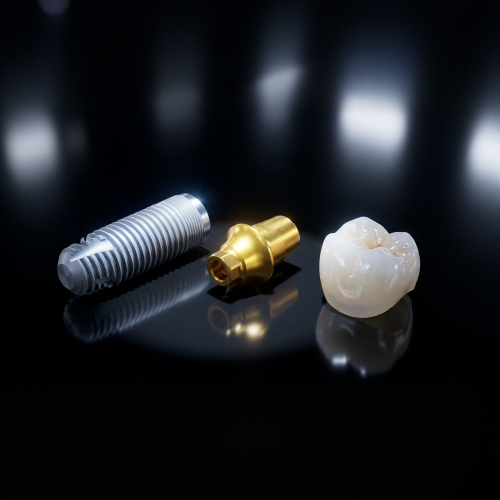
The treatment for a cracked tooth largely depends on the severity and location of the crack. For minor cracks, your dentist might recommend bonding, which involves using a plastic resin to fill the crack, making your tooth look as good as new. For more severe cracks, a root canal may be necessary to remove any infected pulp, followed by a crown to protect the tooth.
In extreme cases, if the tooth can't be saved, extraction might be necessary. But don't worry! Modern dentistry offers many effective ways to replace missing teeth, from bridges to implants.
The bottom line is, there's no one-size-fits-all solution for a cracked tooth. Your dentist will evaluate your specific situation and recommend the best course of action.
Lastly, let's talk about prevention. After all, as the saying goes, an ounce of prevention is worth a pound of cure. To avoid dealing with the pain of a cracked tooth, make sure you're maintaining good oral hygiene. This includes regular brushing and flossing, and biannual dentist visits for check-ups and cleanings. Also, avoid chewing on hard objects like ice or hard candy, and if you grind your teeth at night, ask your dentist about a nightguard.
Remember, a cracked tooth isn't a death sentence for your dental health. With prompt attention and proper care, you can be back to smiling, chewing, and living pain-free in no time!
So, there you have it, folks! Your go-to guide on cracked teeth. Hopefully, you'll never have to deal with one, but if you do, remember to act quickly, seek professional help, and don't let that cracked tooth crack you up!
Fresh news from the dental world


Mon - Fri 8AM - 5PM
Sat & Sun Closed
Check out what our patients are saying in Cypress...
..png)

“They're All Top Notch”
I'm so happy to have found this awesome dentist with an awesome staff. I am completely confident in the doctor's skill level, and completely comfortable relying on him to work on me without allowing me to experience unnecessary pain. In addition to having a good relationship with the dentist, being able to relate with the office staff is equally important to me. From the hygienist to the dental assistants to the front desk, they're all top notch.

“They Are So Efficient”
This is the best dentist I have been to and I have been to several. The team is professional and welcoming. They are never over-booked and I have never waited more than 5 minutes in the lobby. They are so efficient, no matter what I go in for, I am out in 45 minutes or less. I highly recommend Cypress Family Dental.

“The Staff Did A Great Job”
Came to Cypress Family Dental a year ago for my sleep apnea device. No more snoring! The staff did a great job fitting me for this oral appliance. Better yet, they were there to support me when I needed some adjustments later on. The front office staff couldn't have been more accommodating to schedule me in. Easy to recommend.

“A Very Pleasant Experience”
My visit to the Cypress Family Dental office today was a very pleasant experience. The front desk staff greeted me upon entering the office and efficiently confirmed my scheduled appointment. I'm seen within a short time by professional, knowledgeable and comfortable staff. They're open to various types of insurance and are flexible on terms. Overall, I would definitely recommend Cypress Family Dental.

“They Truly Care”
The dentist and his staff are wonderful people! In the past, I have had horrible experiences at other dentist offices and then I found this place and I don't think I would ever go anywhere else again. I live about 45 min away from their office but the drive is well worth it. They truly care about their patients. I would recommend this office to anyone.
..png)
“The Doctors Are Just Stellar”
The sweetest people work here, I'm convinced! The ladies at the front desk always go out of their way to be kind and helpful, the hygienists listen to your concerns and will address them to their best ability, and the doctors are just stellar. I drive over 40 min from where I live to go here because it's rare to find a dental office this fantastic.
“They're All Top Notch”
I'm so happy to have found this awesome dentist with an awesome staff. I am completely confident in the doctor's skill level, and completely comfortable relying on him to work on me without allowing me to experience unnecessary pain. In addition to having a good relationship with the dentist, being able to relate with the office staff is equally important to me. From the hygienist to the dental assistants to the front desk, they're all top notch.
“They Are So Efficient”
This is the best dentist I have been to and I have been to several. The team is professional and welcoming. They are never over-booked and I have never waited more than 5 minutes in the lobby. They are so efficient, no matter what I go in for, I am out in 45 minutes or less. I highly recommend Cypress Family Dental.
Check out our accreditations, sources, and relationships in the wide world of dentistry...


Check us out and follow our Cypress dental practice on social media...


