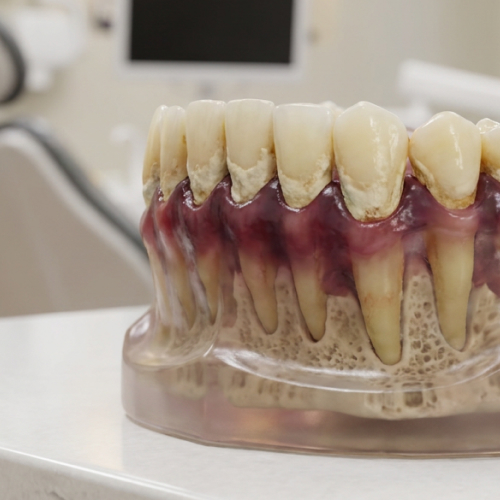
Can Gum Disease Be Reversed or Is Periodontitis Permanent?
Can gum disease be reversed, or is periodontitis permanent? Learn the stages of gum infection and how to protect your smile. Schedule an exam with us today!
Read More
When it comes to dental health, understanding the right time for specific treatments can be crucial. A common dilemma faced by many is whether to opt for a dental crown or consider tooth extraction. In this blog, we'll explore the intricacies of this decision, delve into the strength of crowns compared to natural teeth, and address the question of whether a crowned tooth can be pulled. Let's navigate these waters together and find the best solution for your dental needs.
Deciding whether to get a dental crown or opt for tooth extraction is a significant decision in dental care, one that should be approached with careful consideration. This choice is influenced by a variety of factors, including the specific condition of the affected tooth, your overall dental health, and the potential long-term effects of each treatment option. It's not just about addressing a current issue, but also about planning for your future oral health.
Opting for a Dental Crown is often the preferred course of action when a tooth is damaged but not irreparably so. Damage can occur in various forms, such as decay that has not penetrated deep into the tooth, a large filling that has weakened the tooth structure, or a crack that compromises the tooth's integrity. In such cases, a crown effectively becomes a saving grace. It serves as a protective cap, enveloping the tooth to safeguard it from further damage while restoring its normal shape, size, and function. The primary advantage of a crown is its ability to maintain the natural structure of your tooth. By choosing a crown, you're opting for a solution that not only restores functionality but also preserves the tooth's natural appearance. This is often a less invasive option compared to extraction, and it can prevent the need for more complex dental procedures in the future.
The process of getting a crown involves preparing the tooth, taking an impression, and then having a crown custom-made in a dental lab. The crown is then cemented onto your existing tooth, blending seamlessly with your natural teeth in both function and appearance. This not only improves the aesthetics of your smile but also ensures the longevity and health of the tooth.
Considering Tooth Extraction, however, becomes necessary when a tooth is extensively damaged or decayed to the point where it cannot be saved. This might be due to severe tooth decay that has reached the pulp (the center of the tooth), extensive damage that compromises the structural integrity of the tooth, or when a tooth is so broken down that reconstruction is not feasible. While extraction might seem like a simpler and more straightforward solution, it is important to consider the aftereffects. Removing a tooth leaves a gap that can lead to shifting of adjacent teeth, potential alignment issues, and the need for a prosthetic replacement like a dental implant or bridge. These replacements are essential to maintain the alignment of your teeth, your bite, and the overall health of your mouth.
The choice between these two options should be made after a thorough consultation with your dentist, who can assess the specific conditions of your tooth and overall oral health. This decision also involves considering factors like age, dental history, and personal preferences regarding dental procedures.
When comparing the strength of a dental crown to that of a natural tooth, it's essential to understand the materials involved.Dental crowns can be crafted from a variety of materials, each selected for its durability and compatibility with the human body. Common materials include porcelain, which offers a natural look; ceramic, known for its aesthetic appeal; metal, celebrated for its strength; or a combination of these materials, designed to provide both durability and a pleasing appearance. These materials are meticulously chosen to endure the everyday forces of biting and chewing, ensuring that the crown performs as well, if not better, in some aspects, than the natural tooth it covers.
However, the comparison between the strength of a crown and a natural tooth isn't just about the materials used. It's also about understanding the role and resilience of the entire tooth structure. A well-constructed and properly fitted dental crown can rival, and sometimes surpass, the strength of a natural tooth, particularly when replacing or covering a tooth that is already weakened or damaged. In terms of sheer durability, crowns are designed to be robust and withstand significant wear and tear, often protecting the underlying tooth from further decay or damage.
Yet, it's critical to note that the strength of a crown doesn't render the tooth invulnerable. The natural tooth beneath the crown remains susceptible to dental issues like decay and gum disease. This vulnerability necessitates a commitment to regular dental hygiene, including brushing, flossing, and using mouthwash, as well as routine dental check-ups. These practices are essential to maintain not just the crown, but also the underlying tooth and surrounding gum health.
Moreover, the longevity of a crown and its ability to function like a natural tooth also depends on the precision of its fit and the quality of its installation. A crown that is well-fitted and properly cared for can last many years, often requiring minimal maintenance. However, like any dental treatment, it's subject to wear and tear over time, and its lifespan can be significantly impacted by factors such as personal habits (like grinding or clenching teeth), diet, and overall dental care routine.
The short answer is yes, a crowned tooth can be pulled if necessary. However, the extraction process might differ slightly from that of a natural tooth due to the crown's material. The primary goal of any dentist is to preserve your natural teeth whenever possible. Therefore, extraction of a crowned tooth is typically considered a last resort, often when there's severe underlying decay or structural issues that can't be addressed with a crown alone.
Deciding whether to get a crown or go for extraction is a significant decision that impacts your oral health. We understand the intricacies of these choices and are here to guide you through every step. Our team of experts is dedicated to providing you with the best care, tailored to your unique needs.
Ready to take the next step? Schedule an appointment with us today and let's discuss the best options for your dental health. Your smile is our priority, and we're committed to helping you maintain it for years to come.
Fresh news from the dental world

Mon - Fri 8AM - 5PM
Sat & Sun Closed
Check out what our patients are saying in Cypress...
..png)

“The Doctors Are Just Stellar”
The sweetest people work here, I'm convinced! The ladies at the front desk always go out of their way to be kind and helpful, the hygienists listen to your concerns and will address them to their best ability, and the doctors are just stellar. I drive over 40 min from where I live to go here because it's rare to find a dental office this fantastic.

“They Are So Efficient”
This is the best dentist I have been to and I have been to several. The team is professional and welcoming. They are never over-booked and I have never waited more than 5 minutes in the lobby. They are so efficient, no matter what I go in for, I am out in 45 minutes or less. I highly recommend Cypress Family Dental.

“A Very Pleasant Experience”
My visit to the Cypress Family Dental office today was a very pleasant experience. The front desk staff greeted me upon entering the office and efficiently confirmed my scheduled appointment. I'm seen within a short time by professional, knowledgeable and comfortable staff. They're open to various types of insurance and are flexible on terms. Overall, I would definitely recommend Cypress Family Dental.
..png)
“They're All Top Notch”
I'm so happy to have found this awesome dentist with an awesome staff. I am completely confident in the doctor's skill level, and completely comfortable relying on him to work on me without allowing me to experience unnecessary pain. In addition to having a good relationship with the dentist, being able to relate with the office staff is equally important to me. From the hygienist to the dental assistants to the front desk, they're all top notch.

“They Truly Care”
The dentist and his staff are wonderful people! In the past, I have had horrible experiences at other dentist offices and then I found this place and I don't think I would ever go anywhere else again. I live about 45 min away from their office but the drive is well worth it. They truly care about their patients. I would recommend this office to anyone.

“The Staff Did A Great Job”
Came to Cypress Family Dental a year ago for my sleep apnea device. No more snoring! The staff did a great job fitting me for this oral appliance. Better yet, they were there to support me when I needed some adjustments later on. The front office staff couldn't have been more accommodating to schedule me in. Easy to recommend.
“The Doctors Are Just Stellar”
The sweetest people work here, I'm convinced! The ladies at the front desk always go out of their way to be kind and helpful, the hygienists listen to your concerns and will address them to their best ability, and the doctors are just stellar. I drive over 40 min from where I live to go here because it's rare to find a dental office this fantastic.
“They Are So Efficient”
This is the best dentist I have been to and I have been to several. The team is professional and welcoming. They are never over-booked and I have never waited more than 5 minutes in the lobby. They are so efficient, no matter what I go in for, I am out in 45 minutes or less. I highly recommend Cypress Family Dental.
Check out our accreditations, sources, and relationships in the wide world of dentistry...


Check us out and follow our Cypress dental practice on social media...


