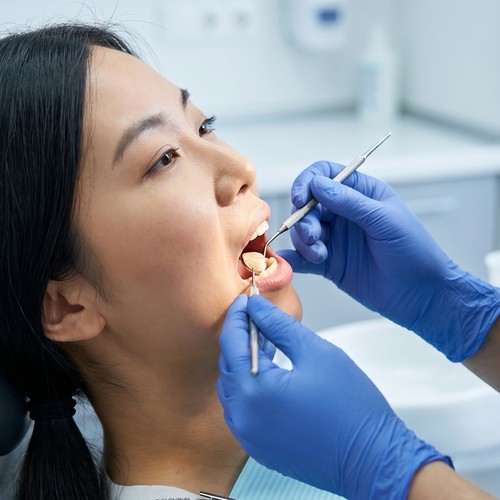
Filling, Inlay, or Crown: Which Restoration Actually Protects Your Tooth?
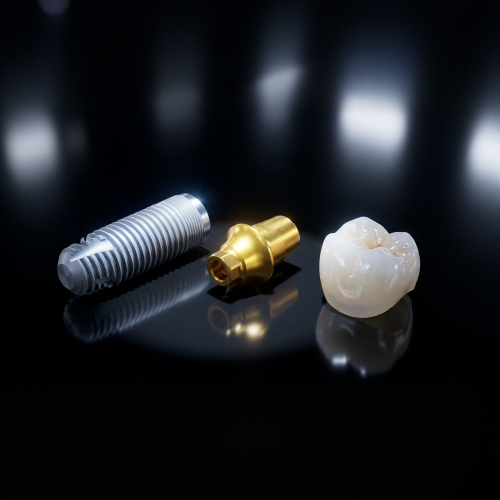
Is an inlay better than a filling? Learn if a large filling is better than a dental crown for long-term protection. Visit Cypress Family Dental to find out!
Read More
Cavities are little pores or fissures in the enamel layer of your teeth that are irreparably damaged. Cavities, also known as tooth decay or caries, are brought on by several things, including oral bacteria, frequent eating, consuming sugary beverages, and inadequate tooth cleaning. One of the most prevalent health issues worldwide is dental decay and cavities. Particularly, cavities are prevalent among kids, teenagers, and elderly people. However, cavities can affect everyone who has teeth. If left untreated, cavities grow larger and harm your teeth's inner structure. They may result in tooth loss, an infection, and excruciating dental pain. Your best defense against cavities and tooth decay is regular dental appointments and excellent cleaning and flossing practices.
What Are The Signs And Symptoms Of A Tooth Cavity? Depending on the size and position of the cavity, there are different signs and symptoms. You might not have any symptoms at all while a cavity is just getting started. As the decay spreads, it may result in the following signs: -Toothache, sudden pain, or pain that develops for no clear reason -Sensitive teeth -While eating or drinking anything sweet, hot, or cold, there may be mild to severe pain -Your teeth have any noticeable holes or pits -When you chew, it hurts -Black discoloration of the involved tooth
What Are The Causes Of A Tooth Cavity? A tooth cavity is formed in the following way:
-Formation of plaque and calculus: Your teeth are covered in a transparent, corrosive layer called dental plaque. It results from eating a lot of carbohydrates and starches and neglecting to properly brush your teeth. When carbohydrates and sugars aren't removed from your teeth, bacteria start to feed on them, and plaque is soon formed. Calculus is created when plaque that remains on your teeth hardens beneath or above your gum line. Calculus acts as a barrier for germs and makes plaque removal more challenging.
-Bacteria attach to enamel: The elements in your tooth's tough outer enamel are removed by the acids in plaque. Cavities begin as a result of this erosion, which results in microscopic pores or holes in the enamel. When portions of the enamel are worn away, germs and acid can access the dentin, the layer beneath the enamel. Compared to enamel, this layer is softer and less acid-resistant. Sensitivity is brought on by small tubes in the dentin that connects with the tooth's nerve directly.
-Destruction of the tooth structure: The bacteria and acid keep moving throughout your teeth as tooth decay progresses, passing by the internal tooth structure (pulp), which contains nerves and blood vessels. The germs cause the pulp to swell and itch. The nerve becomes compressed and causes pain since there is nowhere for the swelling to develop inside of a tooth. Even the bone, which is external to the tooth root, may experience discomfort.
Can You Make A Cavity Go Away? You can prevent cavities and tooth decay by maintaining good oral and dental hygiene. Here are some recommendations for avoiding cavities. Ask your dentist which advice is most appropriate for you.
-Visit your dentist regularly: Get frequent dental examinations and expert teeth cleanings to help discover issues early or prevent them altogether. A timetable that works best for you can be suggested by your dentist.
-Apply fillings on the existing cavity: A protective covering known as a filling is put on the biting surface of the back teeth. It blocks off nooks and crevices where food tends to gather, shielding tooth enamel from acid and plaque. Fillings should be checked frequently and may last for several years before needing to be changed.
-Take fluoride treatment: If you don't consume sufficient fluoride from fluoridated drinking water and other methods, your dentist may advise regular fluoride therapy. If your chance of tooth decay is significant, they might also suggest special trays that suit your teeth for the application of therapeutic fluoride.
How Do You Get Rid Of A Cavity Without Going To The Dentist? While a trip to your dentist is usually needed for a cavity, here are some ways you can fight tooth decay at home.
-Brush your teeth with fluoride toothpaste: You should brush your teeth twice a day using fluoride-containing toothpaste. Fluoride helps to remineralize your tooth structure and end cavities in your teeth. Additionally, you should also use floss for interdental cleaning.
-Eat sugar-free food: Certain meals and drinks are healthier for your teeth than others. Avoid eating things that remain in the ridges and crevices of your teeth for a long time, or brush them right away. However, foods like raw fruits and vegetables and bitter coffee, tea, and sugar-free gum promote increased salivation and aid in the removal of food debris.
What Will Happen If A Cavity Is Left Untreated? Early cavity treatment is crucial for your general health, even though it can be a challenging process for some people. If you put off getting fillings put in at the dentist, you may encounter a multitude of problems that could eventually harm your health. Following are the some consequences:
-Increased sensitivity: Your tooth being more sensitive to heat and cold is one of the early indicators of a cavity. You could observe that your morning cup of steaming coffee is no longer enjoyable. Or perhaps when you sip that cool glass of lemonade on a hot summer day, you get a toothache. Your body is alerting you that there is a problem with your tooth and that it has to be fixed right away.
-Pain: Your tooth will grow increasingly uncomfortable to use over time. A sharp, persistent ache that seems to spread throughout your mouth may strike whether you're trying to bite into a sandwich or chew into a soft marshmallow. This is a blatant indication that you must visit a dentist right now.
-Swelling: Your tooth's pulp may develop an abscess if bacteria can get there. Swelling may come from this. The inflammation in that region of your mouth is a contributing factor to the swelling.
Fresh news from the dental world



Mon - Fri 8AM - 5PM
Sat & Sun Closed
Check out what our patients are saying in Cypress...
..png)

“They're All Top Notch”
I'm so happy to have found this awesome dentist with an awesome staff. I am completely confident in the doctor's skill level, and completely comfortable relying on him to work on me without allowing me to experience unnecessary pain. In addition to having a good relationship with the dentist, being able to relate with the office staff is equally important to me. From the hygienist to the dental assistants to the front desk, they're all top notch.

“They Are So Efficient”
This is the best dentist I have been to and I have been to several. The team is professional and welcoming. They are never over-booked and I have never waited more than 5 minutes in the lobby. They are so efficient, no matter what I go in for, I am out in 45 minutes or less. I highly recommend Cypress Family Dental.

“The Staff Did A Great Job”
Came to Cypress Family Dental a year ago for my sleep apnea device. No more snoring! The staff did a great job fitting me for this oral appliance. Better yet, they were there to support me when I needed some adjustments later on. The front office staff couldn't have been more accommodating to schedule me in. Easy to recommend.

“A Very Pleasant Experience”
My visit to the Cypress Family Dental office today was a very pleasant experience. The front desk staff greeted me upon entering the office and efficiently confirmed my scheduled appointment. I'm seen within a short time by professional, knowledgeable and comfortable staff. They're open to various types of insurance and are flexible on terms. Overall, I would definitely recommend Cypress Family Dental.

“They Truly Care”
The dentist and his staff are wonderful people! In the past, I have had horrible experiences at other dentist offices and then I found this place and I don't think I would ever go anywhere else again. I live about 45 min away from their office but the drive is well worth it. They truly care about their patients. I would recommend this office to anyone.
..png)
“The Doctors Are Just Stellar”
The sweetest people work here, I'm convinced! The ladies at the front desk always go out of their way to be kind and helpful, the hygienists listen to your concerns and will address them to their best ability, and the doctors are just stellar. I drive over 40 min from where I live to go here because it's rare to find a dental office this fantastic.
“They're All Top Notch”
I'm so happy to have found this awesome dentist with an awesome staff. I am completely confident in the doctor's skill level, and completely comfortable relying on him to work on me without allowing me to experience unnecessary pain. In addition to having a good relationship with the dentist, being able to relate with the office staff is equally important to me. From the hygienist to the dental assistants to the front desk, they're all top notch.
“They Are So Efficient”
This is the best dentist I have been to and I have been to several. The team is professional and welcoming. They are never over-booked and I have never waited more than 5 minutes in the lobby. They are so efficient, no matter what I go in for, I am out in 45 minutes or less. I highly recommend Cypress Family Dental.
Check out our accreditations, sources, and relationships in the wide world of dentistry...


Check us out and follow our Cypress dental practice on social media...


