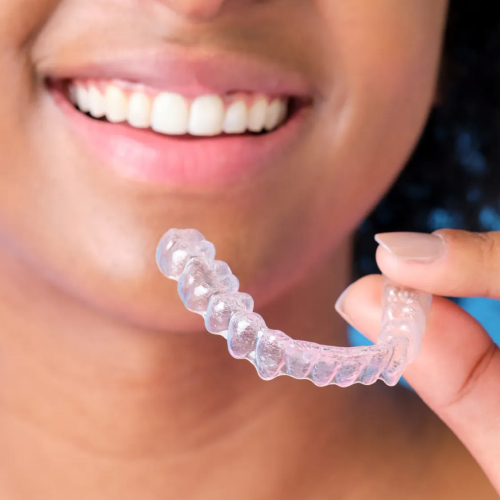
Does Invisalign Stain? What Cypress Patients Need to Know About Keeping Trays Clear
Wondering if Invisalign stains? Learn how to keep aligners clear, clean trays properly, and care for your smile. Contact Cypress Family Dental today!
Read More
Maintaining healthy gums is a critical aspect of overall oral health, especially if you've had gum disease. Periodontal maintenance is a specialized cleaning procedure designed to keep your gums and teeth in top condition after you've undergone treatment for periodontitis. Here’s what you need to know about this vital part of your dental care routine.
Periodontal maintenance is a crucial aspect of managing gum health, especially for those who have been treated for gum disease. During these appointments, your dental hygienist or periodontist will carry out a series of detailed steps to help prevent the recurrence of periodontitis and maintain overall oral health.
Thorough Cleaning of Teeth and Gums: The first and perhaps most vital step of periodontal maintenance is a deep cleaning. This process, known as scaling and root planing, targets the buildup of plaque and tartar that accumulates below the gum line. Unlike a regular dental cleaning, which focuses on the visible surfaces of your teeth, this procedure cleans the deep pockets that can form between your gums and teeth. These pockets are prime areas for bacterial growth, which can lead to further gum disease if not properly managed.
Comprehensive Gum Health Assessment: Once the cleaning is complete, your dental professional will carefully assess the health of your gums. This evaluation involves checking for signs of inflammation, such as redness and swelling, as well as monitoring any gum recession, which can expose the roots of your teeth and lead to sensitivity. The depth of your gum pockets may also be measured to ensure they are not deepening, which could indicate a progression of gum disease.
Polishing the Teeth: After your gums have been treated, attention is turned to polishing your teeth. Polishing serves a dual purpose: it removes surface stains and smooths the tooth enamel, which helps to reduce the chances of plaque buildup in the future. By creating a smoother surface, your teeth become less likely to harbor bacteria, making it easier for you to maintain good oral hygiene at home.
Application of Antibacterial Agents: In some cases, your dental hygienist or periodontist may recommend the application of antibacterial treatments during your periodontal maintenance visit. These treatments, often in the form of a rinse or localized application within gum pockets, help to further reduce the bacterial load in your mouth. This step is particularly beneficial if your gums show signs of ongoing infection or if you are at higher risk for recurrent periodontal disease.
Personalized Oral Care Advice: To round out your periodontal maintenance visit, your dental care provider will offer personalized advice on how to care for your gums at home. This might include recommendations for specific oral hygiene products, such as toothbrushes, interdental brushes, or mouth rinses designed for sensitive gums. They may also provide tips on proper brushing and flossing techniques to ensure you are doing everything possible to keep your gums healthy between visits.
The frequency of periodontal maintenance appointments is tailored to each individual's oral health needs, primarily based on the severity of gum disease and the condition of your gums. Typically, patients who have undergone treatment for periodontitis are advised to schedule maintenance visits every three to four months. This regular interval allows your dentist to closely monitor your gum health and effectively manage any bacterial buildup before it escalates into a more serious problem.
Gum disease can be a persistent and recurring issue, especially if it has reached an advanced stage. Regular periodontal maintenance is crucial in keeping the disease under control and preventing it from progressing. During these appointments, your dentist or periodontist can identify early signs of gum inflammation or infection that may not be visible or symptomatic to you. By addressing these issues promptly, you can avoid more extensive and invasive treatments in the future.
It’s important to note that the recommended frequency of these visits is not arbitrary but is based on your unique oral health situation. Your dentist will assess factors such as the depth of your gum pockets, the level of inflammation, your oral hygiene practices, and your overall health to determine the most appropriate maintenance schedule for you. Some patients with milder forms of gum disease may be able to extend the time between visits, while others with more aggressive conditions may need to adhere strictly to the three-month interval.
Consistent periodontal maintenance is not just about preventing the recurrence of gum disease; it’s also a proactive measure to safeguard your overall oral health. By sticking to the recommended schedule, you ensure that any potential issues are caught early, reducing the likelihood of future complications and helping you maintain healthy gums and teeth in the long term.
A common concern for many patients considering periodontal maintenance is whether the procedure will be painful. It’s natural to feel a bit apprehensive, especially if you’ve experienced gum discomfort in the past. The good news is that most patients report only minimal discomfort during periodontal cleaning, and many find the procedure to be far less uncomfortable than they anticipated.
During the cleaning, your dental hygienist or periodontist will use specialized instruments to remove plaque and tartar from below the gum line. While this process is more intensive than a standard dental cleaning, it’s generally well-tolerated. If you have particularly sensitive gums or deep pockets, your dentist may apply a local anesthetic to numb the area, ensuring that you remain comfortable throughout the procedure.
After the cleaning, it’s normal to experience some mild tenderness or sensitivity in your gums, particularly if there was significant plaque or tartar buildup. This discomfort is usually temporary and should subside within a day or two. Over-the-counter pain relievers can help ease any post-procedure soreness, and your dentist might recommend using a special mouth rinse to soothe your gums and promote healing.
Regular periodontal maintenance is key to sustaining your oral health, especially if you've previously been treated for gum disease. Don’t wait until small issues become bigger problems—schedule your next periodontal maintenance appointment today and take the next step in safeguarding your smile.
Maintaining healthy gums is not just about preventing discomfort—it's about ensuring your overall well-being. Contact us to book your appointment and keep your gums in the best possible shape!
Fresh news from the dental world



Mon - Fri 8AM - 5PM
Sat & Sun Closed
Check out what our patients are saying in Cypress...
..png)

“The Doctors Are Just Stellar”
The sweetest people work here, I'm convinced! The ladies at the front desk always go out of their way to be kind and helpful, the hygienists listen to your concerns and will address them to their best ability, and the doctors are just stellar. I drive over 40 min from where I live to go here because it's rare to find a dental office this fantastic.

“They Are So Efficient”
This is the best dentist I have been to and I have been to several. The team is professional and welcoming. They are never over-booked and I have never waited more than 5 minutes in the lobby. They are so efficient, no matter what I go in for, I am out in 45 minutes or less. I highly recommend Cypress Family Dental.

“A Very Pleasant Experience”
My visit to the Cypress Family Dental office today was a very pleasant experience. The front desk staff greeted me upon entering the office and efficiently confirmed my scheduled appointment. I'm seen within a short time by professional, knowledgeable and comfortable staff. They're open to various types of insurance and are flexible on terms. Overall, I would definitely recommend Cypress Family Dental.

“They Truly Care”
The dentist and his staff are wonderful people! In the past, I have had horrible experiences at other dentist offices and then I found this place and I don't think I would ever go anywhere else again. I live about 45 min away from their office but the drive is well worth it. They truly care about their patients. I would recommend this office to anyone.

“The Staff Did A Great Job”
Came to Cypress Family Dental a year ago for my sleep apnea device. No more snoring! The staff did a great job fitting me for this oral appliance. Better yet, they were there to support me when I needed some adjustments later on. The front office staff couldn't have been more accommodating to schedule me in. Easy to recommend.
..png)
“They're All Top Notch”
I'm so happy to have found this awesome dentist with an awesome staff. I am completely confident in the doctor's skill level, and completely comfortable relying on him to work on me without allowing me to experience unnecessary pain. In addition to having a good relationship with the dentist, being able to relate with the office staff is equally important to me. From the hygienist to the dental assistants to the front desk, they're all top notch.
“The Doctors Are Just Stellar”
The sweetest people work here, I'm convinced! The ladies at the front desk always go out of their way to be kind and helpful, the hygienists listen to your concerns and will address them to their best ability, and the doctors are just stellar. I drive over 40 min from where I live to go here because it's rare to find a dental office this fantastic.
“They Are So Efficient”
This is the best dentist I have been to and I have been to several. The team is professional and welcoming. They are never over-booked and I have never waited more than 5 minutes in the lobby. They are so efficient, no matter what I go in for, I am out in 45 minutes or less. I highly recommend Cypress Family Dental.
Check out our accreditations, sources, and relationships in the wide world of dentistry...


Check us out and follow our Cypress dental practice on social media...


