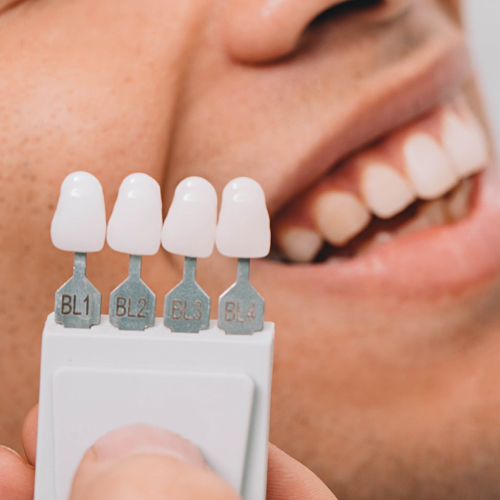
Veneers vs. Crowns vs. Dentures: Which Restoration Is Actually Right for You?
Is it better to get veneers or crowns? What about dentures? Compare dental restorations and find the best fit for your smile at Cypress Family Dental.
Read More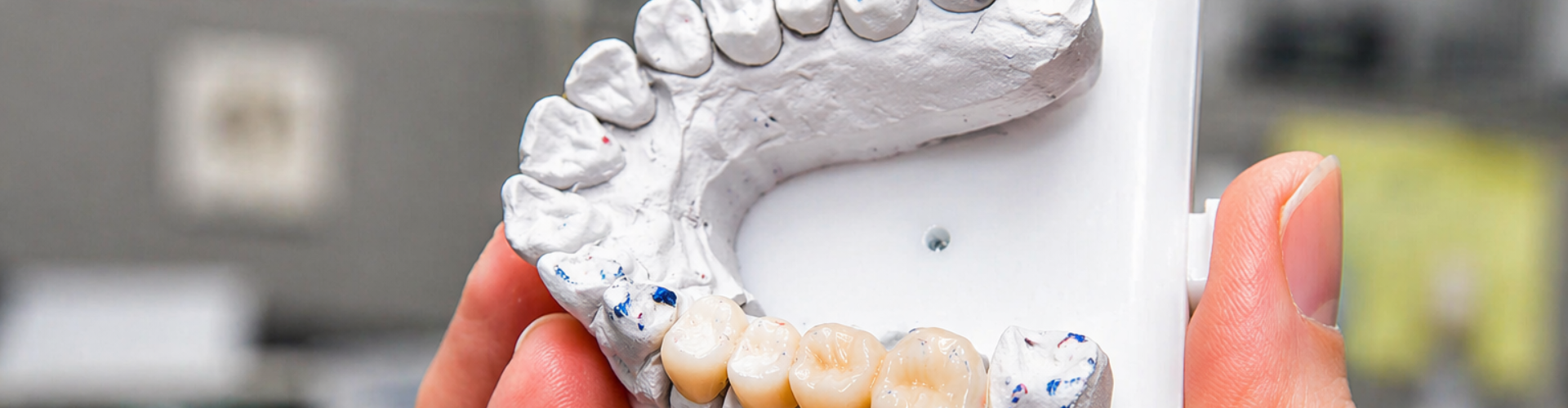
There is a reason a missing tooth keeps catching your attention, even when you try to ignore it.
It is not just about the way the gap looks in photos or how it feels when you run your tongue across it. A missing tooth can change the way you bite, the way you chew, and even the way the rest of your teeth sit over time. What starts as one space can slowly affect parts of your smile that used to feel completely normal.
That is why replacing a missing tooth is not only a cosmetic decision. It is often a smart step for protecting the comfort and balance of your mouth.
For many patients, a dental bridge is a simple, dependable way to fill that space and make everyday things feel normal again. At Cypress Family Dental, we help patients find tooth replacement options that look natural, feel comfortable, and fit their long-term dental health.
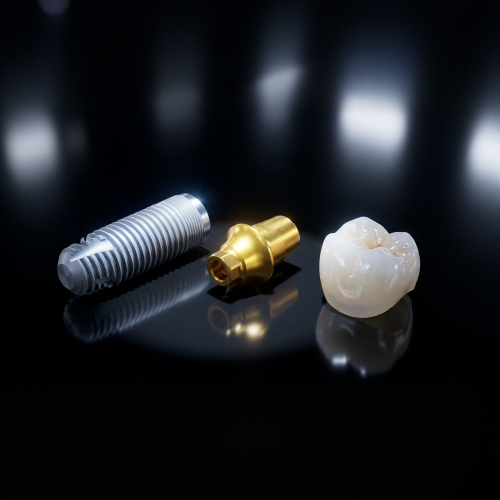
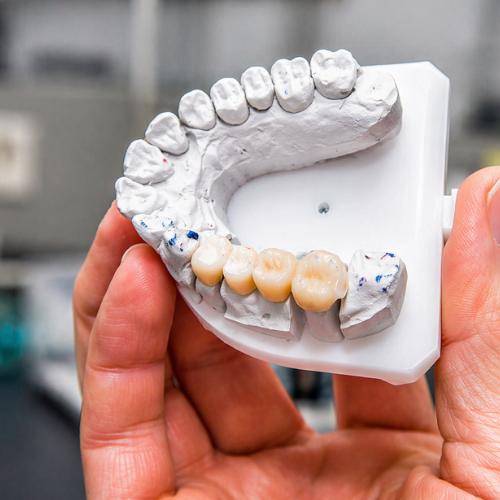
A dental bridge is a custom restoration that fills the space where a tooth used to be. It typically includes:
In many cases, the teeth next to the missing tooth are prepared to support the bridge. Once the bridge is placed, the replacement tooth sits naturally in the space, helping restore both appearance and function.
Think of it this way. When one tooth is missing, the space does not always stay quiet. The surrounding teeth may begin to shift over time. Your bite can change. Chewing may feel less balanced. A bridge helps hold that space properly and gives your mouth the support it has been missing.
A well-made dental bridge can help with:
One of the reasons bridges remain such a common treatment is that they are fixed in place. That means they do not come out the way a removable appliance does. For many patients, that makes a bridge feel more natural and easier to live with day to day.
The process usually takes a few visits. After an exam, your dentist will evaluate the missing tooth area, the health of the neighboring teeth, and your gums. From there, the bridge is designed to fit your mouth and blend in with your natural smile.
For many patients, yes. A dental bridge can be an excellent option for replacing one missing tooth, especially when the teeth next to the gap are healthy enough to support it or already need crowns.
Still, the best treatment depends on the full picture. There is no one size fits all answer in dentistry, and that is a good thing. Your mouth is unique, and the right solution should match your needs, not just the space in your smile.
A bridge may be a strong option if:
A bridge is often appealing because it can be:
Practical: It restores the gap without leaving the space open.
Natural-looking: Modern materials can be made to match the color and shape of surrounding teeth.
Reliable: Bridges have been used successfully for many years.
Efficient: In some cases, treatment can move along more quickly than other tooth replacement options.
That said, a bridge is not automatically the right answer for everyone. Some patients may also be candidates for a dental implant. Others may need to address gum issues or decay before moving forward with any restoration.
That is why an exam matters so much. What works beautifully for one patient may not be the best fit for another. A dentist will look at the health of your gums, the condition of nearby teeth, your bite, your goals, and the long-term outlook before recommending the best option.
Replacing a missing tooth matters more than many people realize. Even one gap can affect how your teeth work together. The sooner you address it, the easier it may be to protect the rest of your smile.
A dental bridge can last many years. In many cases, bridges last between 5 and 15 years, and some last even longer with excellent care.
How long a bridge lasts depends on several factors, including the quality of the restoration, the health of the supporting teeth and gums, and how well it is maintained over time.
Here are some of the biggest factors that affect longevity:
Oral hygiene: A bridge still needs daily care. The teeth supporting it must stay healthy, and the gum tissue around it matters too. Brushing, flossing, and cleaning around the bridge carefully can go a long way.
Bite pressure: If you grind your teeth, clench your jaw, or put heavy pressure on the bridge, it may wear down faster. In some cases, a night guard may be recommended.
Regular dental visits: Routine exams and cleanings help your dentist spot issues early before they turn into bigger problems.
Overall dental health: A bridge depends on the strength of the surrounding teeth and gums. If decay or gum disease affects those areas, the bridge may not last as long.
The good news is that caring for a bridge becomes part of your normal routine once you get used to it. Most patients adjust well and find that it feels like a natural part of their smile.
A few simple habits can help protect your bridge:
A bridge is not just a short-term cosmetic fix. When planned properly and cared for consistently, it can be a lasting part of a healthy, functional smile.
It is easy to underestimate a single missing tooth, especially if it is not front and center. But even one missing tooth can create a ripple effect in your mouth.
You may notice changes in how you chew. You may start favoring one side. Nearby teeth may slowly shift. The opposing tooth may begin to move as well because it no longer has contact where it used to. Over time, something that started as one gap can lead to more complicated dental problems.
A bridge helps restore more than appearance. It helps restore order.
That can mean better comfort, better function, and more confidence when you eat, speak, and smile.
If you are missing a tooth, you do not have to simply live with the gap and hope it does not affect anything else. A dental bridge can be a dependable way to restore your smile and help protect the health and balance of your bite.
At Cypress Family Dental, we take the time to understand your needs, evaluate your options carefully, and recommend treatment that makes sense for your smile and your long-term oral health.
Fresh news from the dental world



Mon - Fri 8AM - 5PM
Sat & Sun Closed
Check out what our patients are saying in Cypress...
..png)

“The Doctors Are Just Stellar”
The sweetest people work here, I'm convinced! The ladies at the front desk always go out of their way to be kind and helpful, the hygienists listen to your concerns and will address them to their best ability, and the doctors are just stellar. I drive over 40 min from where I live to go here because it's rare to find a dental office this fantastic.

“They Are So Efficient”
This is the best dentist I have been to and I have been to several. The team is professional and welcoming. They are never over-booked and I have never waited more than 5 minutes in the lobby. They are so efficient, no matter what I go in for, I am out in 45 minutes or less. I highly recommend Cypress Family Dental.

“A Very Pleasant Experience”
My visit to the Cypress Family Dental office today was a very pleasant experience. The front desk staff greeted me upon entering the office and efficiently confirmed my scheduled appointment. I'm seen within a short time by professional, knowledgeable and comfortable staff. They're open to various types of insurance and are flexible on terms. Overall, I would definitely recommend Cypress Family Dental.

“They Truly Care”
The dentist and his staff are wonderful people! In the past, I have had horrible experiences at other dentist offices and then I found this place and I don't think I would ever go anywhere else again. I live about 45 min away from their office but the drive is well worth it. They truly care about their patients. I would recommend this office to anyone.

“The Staff Did A Great Job”
Came to Cypress Family Dental a year ago for my sleep apnea device. No more snoring! The staff did a great job fitting me for this oral appliance. Better yet, they were there to support me when I needed some adjustments later on. The front office staff couldn't have been more accommodating to schedule me in. Easy to recommend.
..png)
“They're All Top Notch”
I'm so happy to have found this awesome dentist with an awesome staff. I am completely confident in the doctor's skill level, and completely comfortable relying on him to work on me without allowing me to experience unnecessary pain. In addition to having a good relationship with the dentist, being able to relate with the office staff is equally important to me. From the hygienist to the dental assistants to the front desk, they're all top notch.
“The Doctors Are Just Stellar”
The sweetest people work here, I'm convinced! The ladies at the front desk always go out of their way to be kind and helpful, the hygienists listen to your concerns and will address them to their best ability, and the doctors are just stellar. I drive over 40 min from where I live to go here because it's rare to find a dental office this fantastic.
“They Are So Efficient”
This is the best dentist I have been to and I have been to several. The team is professional and welcoming. They are never over-booked and I have never waited more than 5 minutes in the lobby. They are so efficient, no matter what I go in for, I am out in 45 minutes or less. I highly recommend Cypress Family Dental.
Check out our accreditations, sources, and relationships in the wide world of dentistry...


Check us out and follow our Cypress dental practice on social media...


