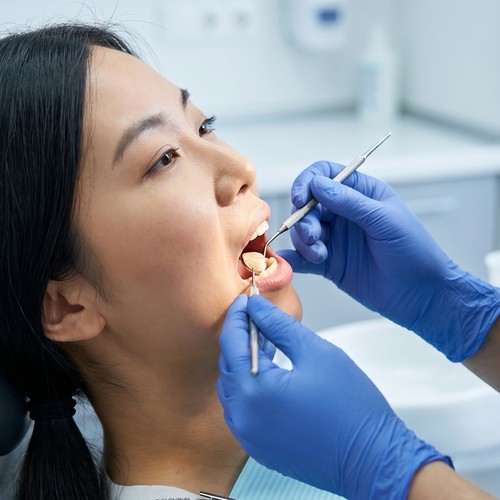
Filling, Inlay, or Crown: Which Restoration Actually Protects Your Tooth?
Is an inlay better than a filling? Learn if a large filling is better than a dental crown for long-term protection. Visit Cypress Family Dental to find out!
Read More
Gum infections can be a troubling and painful experience, often signaling underlying dental issues that require prompt attention. At our dental office, we prioritize your oral health and provide expert care to address gum infections effectively. In this blog, we'll explore the signs of gum infections, treatment options, and the healing process.
Recognizing the early signs of a gum infection is crucial for timely treatment. Ignoring these symptoms can lead to more severe complications, including tooth loss and systemic health issues. Here are some common symptoms to look out for:
Swollen and Red Gums: Healthy gums should be pink and firm. If you notice that your gums are swollen, puffy, or reddish, it could be an early indicator of infection. This inflammation is often a response to the presence of bacteria and plaque along the gum line. The swelling may be localized to one area or affect the entire gum line, and it can cause discomfort when eating or brushing.
Bleeding Gums: Bleeding gums are a common sign of gum disease and infection. If your gums bleed during brushing or flossing, it's a clear indication that something is wrong. While occasional bleeding can result from vigorous brushing, consistent bleeding is usually a sign of an underlying issue. It's essential to address this symptom early to prevent the progression of the infection.
Persistent Bad Breath: Chronic bad breath, or halitosis, despite good oral hygiene, can be a telltale sign of a gum infection. This persistent odor is often caused by the bacteria that thrive in the infected areas of your gums. These bacteria release toxins that not only damage the gum tissue but also produce an unpleasant smell. Mouthwash and breath mints may mask the odor temporarily, but they won't address the root cause.
Pain and Discomfort: Soreness or pain in your gums, especially when chewing, is a common symptom of a gum infection. This discomfort can range from mild tenderness to severe pain. You might also experience increased sensitivity to hot or cold foods and beverages. Pain is a signal from your body that something is wrong, and in the case of gum infections, it's a sign that the infection is progressing and causing damage to your gum tissue and potentially the bone beneath.
Pus Between Gums and Teeth: The presence of pus between your gums and teeth is a clear and serious sign of infection. Pus is a thick fluid that results from the accumulation of bacteria, white blood cells, and dead tissue. It typically indicates an abscess, which is a pocket of infection that can cause severe pain and swelling. If you notice pus, it's crucial to seek immediate dental care to prevent the infection from spreading and causing more significant health issues.
Treating a gum infection effectively involves a combination of professional dental care and diligent personal oral hygiene practices. Here are the detailed steps involved in treating a gum infection:
Professional Cleaning: One of the initial steps in treating a gum infection is undergoing a thorough dental cleaning, also known as prophylaxis. During this procedure, a dental hygienist or dentist will remove plaque and tartar buildup from your teeth and gum line. Plaque, a sticky film of bacteria, and tartar, its hardened form, are major contributors to gum infections. Regular professional cleanings are essential to maintaining gum health and preventing infections from developing or worsening.
Antibiotic Therapy: In cases where the gum infection is more severe, your dentist may prescribe antibiotics to help combat the bacteria causing the infection. Antibiotics can be administered in various forms, including oral tablets, topical gels, or mouth rinses. The choice of antibiotic and the duration of treatment will depend on the severity and extent of the infection. It's important to complete the entire course of antibiotics as prescribed, even if symptoms improve, to ensure that the infection is fully eradicated.
Root Planing and Scaling: For more advanced gum infections, a deep-cleaning procedure called root planing and scaling may be necessary. This treatment involves cleaning below the gum line to remove bacteria and tartar from the roots of your teeth. The root surfaces are then smoothed (planed) to make it more difficult for bacteria to reattach. This procedure helps to reduce inflammation and allows the gums to heal and reattach to the teeth. Root planing and scaling may require multiple visits to complete, depending on the extent of the infection.
Improved Oral Hygiene: Maintaining excellent oral hygiene is crucial for treating and preventing gum infections. This includes brushing your teeth at least twice a day with fluoride toothpaste and a soft-bristled toothbrush to avoid gum irritation. Daily flossing removes food particles and plaque from areas your toothbrush can't reach, and using an antibacterial mouthwash helps reduce bacteria and freshen breath. Consistent and thorough oral hygiene practices are vital to keeping your gums healthy and preventing future infections.
Lifestyle Changes: Certain lifestyle factors significantly impact gum health, and making positive changes can enhance treatment effectiveness and prevent recurrent infections. Quitting smoking improves gum health by strengthening the immune system, while managing conditions like diabetes through medication, diet, and lifestyle adjustments is crucial for fighting infections. A balanced diet supports overall oral health. Additionally, regular dental check-ups and cleanings are essential for monitoring gum health and catching early signs of infection.
Customized Treatment Plan: Every individual is different, and so is every gum infection. Your dentist will evaluate the severity of your infection and recommend a tailored treatment plan to address your specific needs. This plan will likely include a combination of the treatments and lifestyle changes discussed above, designed to achieve the best possible outcome for your gum health.
Addressing a gum infection promptly and thoroughly is key to maintaining overall oral health. By following your dentist's recommendations and adopting good oral hygiene practices, you can effectively combat gum infections and prevent them from recurring. If you're experiencing symptoms of a gum infection, don't delay—schedule an appointment with our expert dental team today for a comprehensive evaluation and personalized treatment plan.
The healing time for a gum infection varies based on the severity of the infection and the treatment approach. Generally, you can expect:
Mild Infections: These may resolve within a week with proper oral hygiene and professional cleaning.
Moderate to Severe Infections: These cases might take several weeks to a few months to fully heal, especially if deep cleaning or antibiotics are necessary.
Post-Treatment Care: Following your dentist's recommendations for oral care and follow-up appointments is crucial for complete recovery.
Consistent dental care and preventive measures can help maintain healthy gums and prevent future infections.
Gum infections are not only painful but can also lead to more serious dental issues if left untreated. If you're experiencing any symptoms of a gum infection, don't wait for it to worsen. Schedule an appointment with our expert dental team today. We're here to provide the care and treatment you need to restore your oral health and keep your smile bright.
Ready to take the first step toward healthier gums? Contact us now to book your consultation and ensure your gums receive the best care possible. Your oral health is our priority!
Fresh news from the dental world






Mon - Fri 8AM - 5PM
Sat & Sun Closed
Check out what our patients are saying in Cypress...
..png)

“They're All Top Notch”
I'm so happy to have found this awesome dentist with an awesome staff. I am completely confident in the doctor's skill level, and completely comfortable relying on him to work on me without allowing me to experience unnecessary pain. In addition to having a good relationship with the dentist, being able to relate with the office staff is equally important to me. From the hygienist to the dental assistants to the front desk, they're all top notch.

“They Are So Efficient”
This is the best dentist I have been to and I have been to several. The team is professional and welcoming. They are never over-booked and I have never waited more than 5 minutes in the lobby. They are so efficient, no matter what I go in for, I am out in 45 minutes or less. I highly recommend Cypress Family Dental.

“The Staff Did A Great Job”
Came to Cypress Family Dental a year ago for my sleep apnea device. No more snoring! The staff did a great job fitting me for this oral appliance. Better yet, they were there to support me when I needed some adjustments later on. The front office staff couldn't have been more accommodating to schedule me in. Easy to recommend.

“A Very Pleasant Experience”
My visit to the Cypress Family Dental office today was a very pleasant experience. The front desk staff greeted me upon entering the office and efficiently confirmed my scheduled appointment. I'm seen within a short time by professional, knowledgeable and comfortable staff. They're open to various types of insurance and are flexible on terms. Overall, I would definitely recommend Cypress Family Dental.

“They Truly Care”
The dentist and his staff are wonderful people! In the past, I have had horrible experiences at other dentist offices and then I found this place and I don't think I would ever go anywhere else again. I live about 45 min away from their office but the drive is well worth it. They truly care about their patients. I would recommend this office to anyone.
..png)
“The Doctors Are Just Stellar”
The sweetest people work here, I'm convinced! The ladies at the front desk always go out of their way to be kind and helpful, the hygienists listen to your concerns and will address them to their best ability, and the doctors are just stellar. I drive over 40 min from where I live to go here because it's rare to find a dental office this fantastic.
“They're All Top Notch”
I'm so happy to have found this awesome dentist with an awesome staff. I am completely confident in the doctor's skill level, and completely comfortable relying on him to work on me without allowing me to experience unnecessary pain. In addition to having a good relationship with the dentist, being able to relate with the office staff is equally important to me. From the hygienist to the dental assistants to the front desk, they're all top notch.
“They Are So Efficient”
This is the best dentist I have been to and I have been to several. The team is professional and welcoming. They are never over-booked and I have never waited more than 5 minutes in the lobby. They are so efficient, no matter what I go in for, I am out in 45 minutes or less. I highly recommend Cypress Family Dental.
Check out our accreditations, sources, and relationships in the wide world of dentistry...


Check us out and follow our Cypress dental practice on social media...


