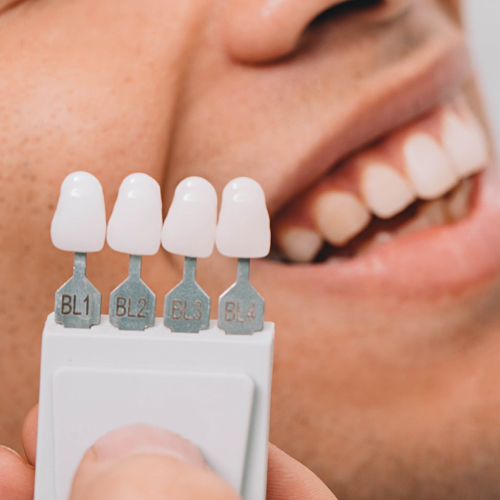
Veneers vs. Crowns vs. Dentures: Which Restoration Is Actually Right for You?
Is it better to get veneers or crowns? What about dentures? Compare dental restorations and find the best fit for your smile at Cypress Family Dental.
Read More
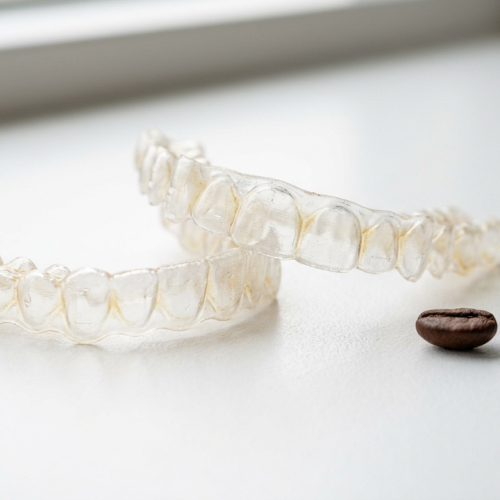
Getting the most out of your Invisalign treatment requires more than just wearing your aligners—it’s about maintaining impeccable oral hygiene too. From mysterious odors to concerns about cavities, many Invisalign users have questions about keeping their aligners clean and their smiles healthy. Here, we’ll address some of the most common queries and provide practical tips to ensure your Invisalign journey is both comfortable and effective.
Experiencing a less-than-pleasant odor from your aligners? You’re not alone. Aligners can trap food particles, bacteria, and plaque, leading to bad smells if not cleaned properly. When you eat or drink anything other than water, tiny particles can get caught between your teeth and aligners, creating a breeding ground for bacteria. This not only causes odors but can also lead to discoloration and a less effective treatment.
Regular cleaning is essential to prevent odors and maintain oral hygiene. Here are some steps to keep your aligners fresh:
Rinse Regularly: Every time you remove your aligners, rinse them under lukewarm water to wash away saliva and debris. Avoid using hot water as it can warp the plastic.
Brush Gently: Use a soft toothbrush to gently brush your aligners with a mild, clear soap or specially formulated Invisalign cleaning crystals. Avoid using toothpaste, which can be abrasive and cause tiny scratches on the aligners where bacteria can accumulate.
Deep Cleaning: Soak your aligners daily in a cleaning solution designed for Invisalign, or use a mixture of equal parts hydrogen peroxide and water. This helps to eliminate bacteria and keep your aligners clear and odor-free.
Oral Hygiene: Brush and floss your teeth after every meal before putting your aligners back in. This prevents food particles and plaque from getting trapped between your teeth and aligners, reducing the risk of odors and cavities.
Stay Hydrated: Drinking plenty of water helps to rinse away food particles and bacteria, keeping your mouth and aligners cleaner. Avoid sugary and acidic drinks, as these can contribute to bacterial growth and odors.
By following these steps, you can ensure that your aligners stay clean and fresh, making your Invisalign experience as pleasant as possible.
It's tempting to soak your aligners in mouthwash for a fresh minty scent, but this isn't recommended. Mouthwash contains dyes and alcohol that can damage and discolor your aligners. The alcohol can weaken the plastic, making your aligners less effective, and the dyes can leave unsightly stains.
Instead, opt for a clear, gentle solution specifically designed for Invisalign. There are several safe and effective methods to keep your aligners clean:
Invisalign Cleaning Crystals: These are specially formulated to clean your aligners thoroughly. Dissolve the crystals in water and soak your aligners according to the instructions. This method helps remove plaque and bacteria without damaging the aligners.
Hydrogen Peroxide Solution: Mix equal parts of hydrogen peroxide and water to create a disinfecting solution. Soak your aligners in this mixture for about 15-30 minutes. Hydrogen peroxide is effective at killing bacteria and keeping your aligners clear.
Vinegar Solution: A mixture of white vinegar and water (one part vinegar to three parts water) can also be used to soak your aligners. This natural disinfectant helps to remove stains and kill bacteria. Soak for about 15-30 minutes and then rinse thoroughly.
Mild Antibacterial Soap: Brush your aligners gently with a soft toothbrush and a clear, mild antibacterial soap. This method is excellent for daily cleaning to prevent buildup.
Ultrasonic Cleaners: These devices use high-frequency sound waves to clean aligners. They can effectively remove plaque and bacteria without using harsh chemicals.
Remember, keeping your aligners clean is crucial for both your oral health and the effectiveness of your Invisalign treatment. Regular cleaning with the right products will ensure that your aligners remain clear, odor-free, and in good condition.
Many patients wonder if wearing Invisalign aligners increases their risk of developing cavities. The answer is not straightforward. While the aligners themselves don’t cause cavities, they can contribute to conditions that may increase the risk if not managed properly. This is primarily because the aligners fit snugly over your teeth, creating a sealed environment that can trap food particles and plaque if proper oral hygiene is not maintained.
When food residues and plaque remain on the teeth and are covered by the aligners, they provide a perfect breeding ground for bacteria. These bacteria feed on the sugars in food particles, producing acids that can erode the tooth enamel, leading to cavities. This risk is heightened if the aligners are worn continuously without adequate cleaning of both the teeth and the aligners themselves.
Cavity Prevention Tips: To mitigate the risk of cavities while undergoing treatment with Invisalign, adherence to a strict oral hygiene regimen is essential:
Thorough Cleaning: Always brush and floss your teeth thoroughly before reinserting your aligners. This practice removes food particles and plaque, preventing them from being trapped against your teeth, which could lead to decay.
Regular Rinsing: If you cannot brush after every meal, rinse your mouth with water or an antibacterial mouthwash to dislodge food particles and reduce bacteria levels before putting your aligners back in.
Use of Fluoride Products: Incorporate fluoride toothpaste and mouth rinses into your daily routine. Fluoride helps to remineralize tooth enamel and prevent the acids produced by bacteria from causing tooth decay.
Clean Your Aligners Properly: Use the recommended cleaning solutions for your Invisalign aligners. Avoid using hot water as it can warp the aligner's material. Regularly cleaning your aligners prevents the buildup of harmful bacteria on the plastic.
Routine Dental Check-ups: Maintain regular visits to your dentist for professional cleaning and check-ups. This will help catch any early signs of decay and ensure your oral health is optimized during your orthodontic treatment.
Avoid Sugary and Acidic Beverages: While wearing aligners, it's best to avoid drinks that can increase the risk of cavities, such as sodas, sports drinks, or sweetened coffees and teas. These can seep into the aligners, bathing your teeth in sugar and acid.
By following these guidelines, you can help ensure that your journey with Invisalign is as effective as it is healthy, keeping your risk of cavities low and your confidence in your smile high.
Keeping your aligners clean is vital for maintaining fresh breath and preventing cavities. Regular cleaning, using the right products, and maintaining good oral hygiene habits will ensure your Invisalign treatment is smooth and effective. Ready to take the next step towards a healthier smile? Schedule an appointment with us today to start your journey with Invisalign!
Fresh news from the dental world



Mon - Fri 8AM - 5PM
Sat & Sun Closed
Check out what our patients are saying in Cypress...
..png)

“The Doctors Are Just Stellar”
The sweetest people work here, I'm convinced! The ladies at the front desk always go out of their way to be kind and helpful, the hygienists listen to your concerns and will address them to their best ability, and the doctors are just stellar. I drive over 40 min from where I live to go here because it's rare to find a dental office this fantastic.

“They Are So Efficient”
This is the best dentist I have been to and I have been to several. The team is professional and welcoming. They are never over-booked and I have never waited more than 5 minutes in the lobby. They are so efficient, no matter what I go in for, I am out in 45 minutes or less. I highly recommend Cypress Family Dental.

“A Very Pleasant Experience”
My visit to the Cypress Family Dental office today was a very pleasant experience. The front desk staff greeted me upon entering the office and efficiently confirmed my scheduled appointment. I'm seen within a short time by professional, knowledgeable and comfortable staff. They're open to various types of insurance and are flexible on terms. Overall, I would definitely recommend Cypress Family Dental.

“They Truly Care”
The dentist and his staff are wonderful people! In the past, I have had horrible experiences at other dentist offices and then I found this place and I don't think I would ever go anywhere else again. I live about 45 min away from their office but the drive is well worth it. They truly care about their patients. I would recommend this office to anyone.

“The Staff Did A Great Job”
Came to Cypress Family Dental a year ago for my sleep apnea device. No more snoring! The staff did a great job fitting me for this oral appliance. Better yet, they were there to support me when I needed some adjustments later on. The front office staff couldn't have been more accommodating to schedule me in. Easy to recommend.
..png)
“They're All Top Notch”
I'm so happy to have found this awesome dentist with an awesome staff. I am completely confident in the doctor's skill level, and completely comfortable relying on him to work on me without allowing me to experience unnecessary pain. In addition to having a good relationship with the dentist, being able to relate with the office staff is equally important to me. From the hygienist to the dental assistants to the front desk, they're all top notch.
“The Doctors Are Just Stellar”
The sweetest people work here, I'm convinced! The ladies at the front desk always go out of their way to be kind and helpful, the hygienists listen to your concerns and will address them to their best ability, and the doctors are just stellar. I drive over 40 min from where I live to go here because it's rare to find a dental office this fantastic.
“They Are So Efficient”
This is the best dentist I have been to and I have been to several. The team is professional and welcoming. They are never over-booked and I have never waited more than 5 minutes in the lobby. They are so efficient, no matter what I go in for, I am out in 45 minutes or less. I highly recommend Cypress Family Dental.
Check out our accreditations, sources, and relationships in the wide world of dentistry...


Check us out and follow our Cypress dental practice on social media...


