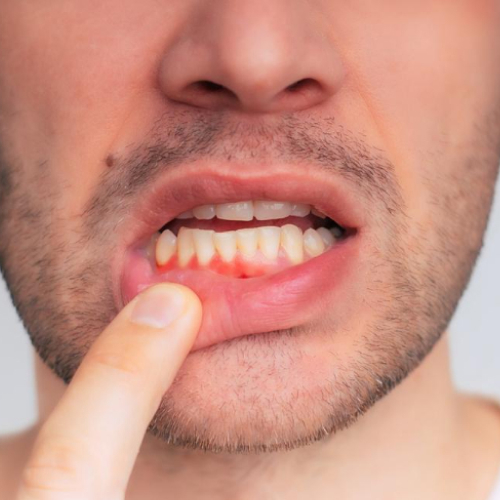
Can Gum Disease Be Cured Without Surgery? What Cypress Patients Need to Know
Wondering if gum disease can be cured without surgery? Discover non-surgical options for periodontitis at Cypress Family Dental. Schedule your consultation now!
Read More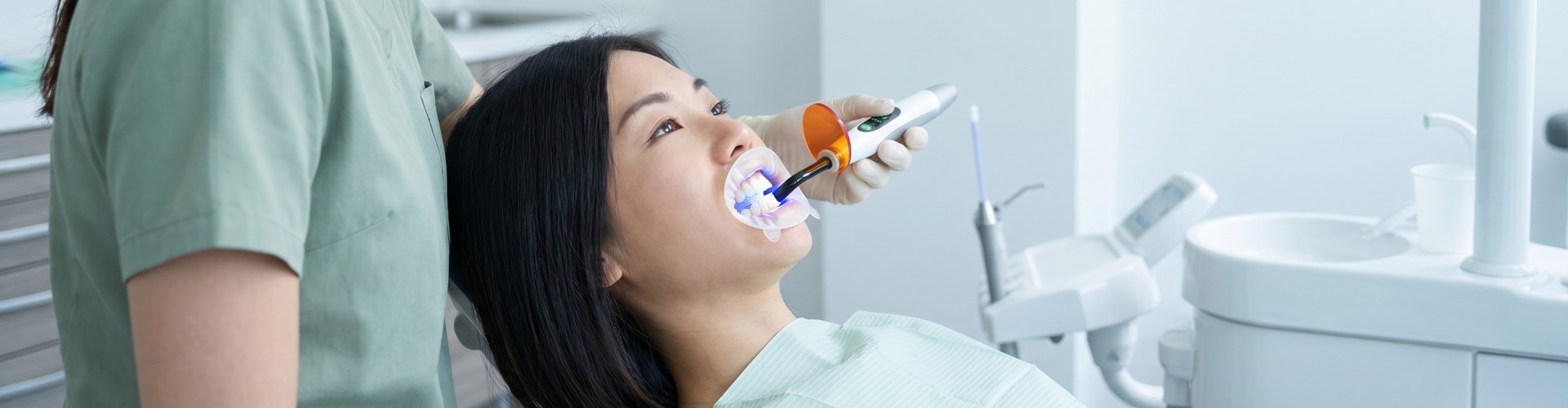
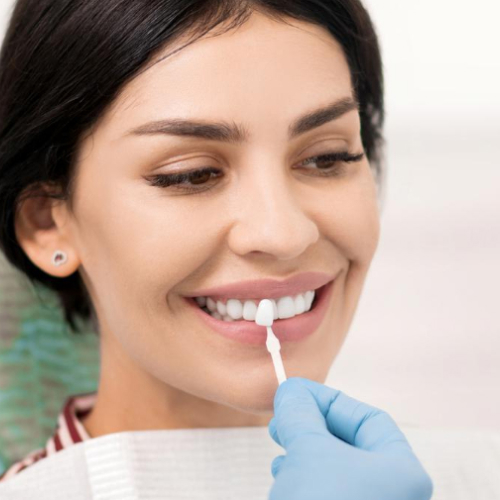
Teeth whitening is safe for most people when used correctly, but the "zingers" and sensitivity you feel aren't random — they follow a specific biological process involving fluid movement inside your teeth. Understanding why sensitivity happens, and how OTC products differ from professional teeth whitening treatments, helps you make smarter choices before you whiten.
The sharp, sudden pain people describe after whitening — those electric "zingers" — consistently alarm my patients more than anything else. For Cypress-area patients, the good news is: in the vast majority of cases, this isn't nerve damage. It's fluid mechanics.
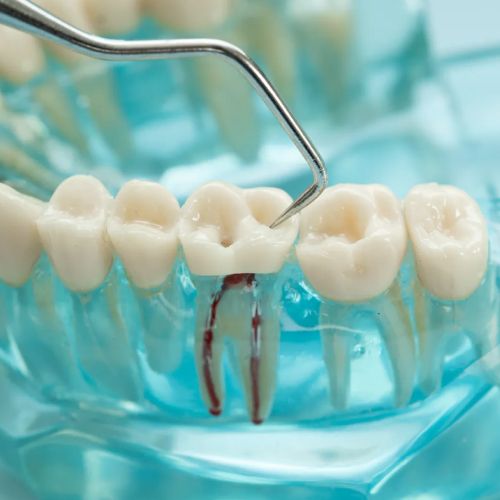
Here's the biology. Your teeth aren't solid. Beneath the enamel lies dentin, a tissue riddled with microscopic channels called dentinal tubules that run straight toward the pulp. Hydrogen peroxide, the active ingredient in virtually every whitening product, has a low molecular weight that lets it diffuse rapidly through enamel and into those tubules. Research published in PMC describes this as the hydrodynamic mechanism: peroxide temporarily dehydrates the tubule fluid and widens the tubule openings, causing rapid fluid movement that stimulates the nerve receptors at the pulp. Your brain interprets that fluid shift as pain — not because tissue is destroyed, but because those receptors are doing exactly what they're designed to do.
This is also why sensitivity is temporary. Once you stop applying the whitening agent, your saliva begins remineralizing the enamel and the tubule "plugs" rehydrate naturally. According to Cleveland Clinic, this sensitivity is common and transient. But waiting it out passively isn't your only option.
A targeted rehydration protocol speeds recovery considerably. I recommend patients use a neutral sodium fluoride gel or a hydroxyapatite-based toothpaste immediately after each whitening session. Both work by physically depositing mineral into the open tubule entrances, essentially re-plugging them and interrupting the fluid movement that causes pain. Potassium nitrate, found in many sensitivity toothpastes, works differently — it depolarizes the nerve itself, reducing its ability to fire. Using these products before whitening sessions can blunt sensitivity before it starts.
Patients with existing gingival recession are at higher risk. A study cited on PubMed found a statistically significant correlation between gingival recession and whitening sensitivity, since exposed root surfaces lack the enamel layer that otherwise slows peroxide penetration.
Most online guides mention that whitening won't change the color of crowns or fillings. What they skip is something more concerning: high-concentration peroxide can actively degrade the interface between your tooth and an existing composite resin restoration.
This matters especially for Class V restorations — cavity fillings placed at the gum line to repair decay or cover sensitive root surfaces. These margins are already under mechanical stress. When concentrated peroxide contacts an older or slightly worn composite margin, it can cause micro-gaps to open at the bond between tooth and filling. The whitening agent then seeps underneath the restoration, reaching unprotected dentin directly. The result is a localized, intense sensitivity that feels different from typical whitening sensitivity — sharper, more persistent, and confined to one tooth.
This is one of the most concrete reasons I conduct a thorough exam before any whitening treatment. It's not a sales step. I'm looking at the integrity of every restoration margin, particularly near the gumline, to identify restorations that should be replaced before whitening begins. If you're using OTC kits at home and you have older dental bonding or composite fillings, this is a risk worth discussing with your dentist first.
When patients ask whether OTC whitening products are safe, the conversation usually centers on peroxide percentage. That's the wrong variable to focus on. The more important factor — and the one almost never printed on the box — is pH.
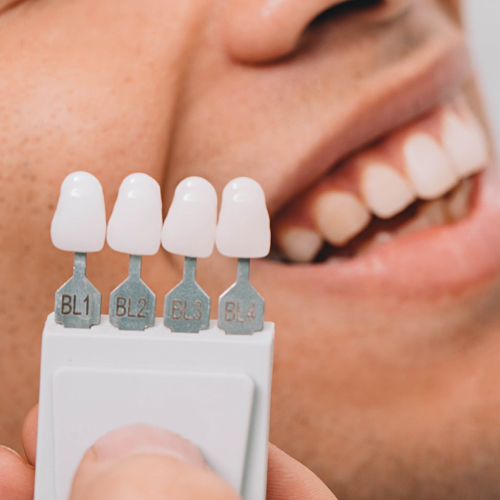
Professional whitening gels are formulated with buffering agents that maintain a near-neutral pH. This means the peroxide does its job through oxidation: breaking down the chromogen molecules (the colored compounds) inside and on the tooth surface without chemically etching the mineral structure. The ADA notes that properly used peroxide-based products are considered safe and effective for this reason.
Many budget OTC strips and pens, particularly those marketed through social media, use acidic formulas. The low pH etches the enamel surface to accelerate whitening. This produces faster visible results, but the trade-off is real: acidic etching removes mineral content, alters enamel surface morphology, and makes teeth more permeable to restaining. The ADA News has warned that regular bleaching without professional oversight can result in enamel erosion that salivary remineralization cannot fully reverse.
When evaluating any OTC product, look beyond the peroxide percentage. If the product doesn't list a pH or disclose its buffering system, that's a meaningful gap. Products carrying the ADA Seal of Acceptance have met safety and efficacy standards — that's the most reliable shortcut for patients choosing between options. Mayo Clinic recommends consulting your dentist before starting any bleaching regimen, especially if you have sensitive teeth, recession, or restorations.
In-office whitening uses higher peroxide concentrations — typically 25% to 40% hydrogen peroxide — which raises a fair question about gum safety. The short answer is yes, professional treatment is generally safer for your gums, and the reason is control.
In a clinical setting, I apply a light-cured resin barrier to the gingival tissue before placing any whitening agent. This isolates the gel entirely to the enamel surfaces. Without that barrier, concentrated peroxide contacts soft tissue directly, causing chemical irritation or even localized burns. This is why gum disease irritation rates are higher with in-office treatment in studies where barrier protocols are inconsistent — the peroxide, not the procedure itself, is the variable.
At-home trays dispensed by a dentist occupy a middle ground. The custom fit minimizes gel overflow onto the gums, and the carbamide peroxide concentration (typically 10–16%) releases hydrogen peroxide more slowly than in-office gels. This slower release reduces peak tissue exposure. The whitening effect is more gradual, but the side effect profile is gentler.
For most healthy adults with intact enamel and no significant recession, professional whitening once or twice a year is well within safe parameters. The whitening effect from a single course can last well beyond a year with reasonable dietary habits.
If you're in Cypress or the surrounding North Orange County area and considering teeth whitening, I'd encourage you to start with a conversation rather than a drugstore purchase. A brief cleaning and exam tells us whether your enamel, gums, and existing restorations are ready for whitening — and which method will give you the best results with the least sensitivity.
Cypress Family Dental offers professional whitening options tailored to your specific tooth structure and goals. Reach out to schedule a consultation — we're here to help you get the result you want, safely.
Medical disclaimer: This article is for informational purposes only and does not constitute professional dental advice, diagnosis, or treatment. Always consult a qualified dental professional before beginning any whitening regimen, particularly if you have existing dental restorations, gingival recession, or a history of tooth sensitivity.
Fresh news from the dental world



Mon - Fri 8AM - 5PM
Sat & Sun Closed
Check out what our patients are saying in Cypress...
..png)

“The Doctors Are Just Stellar”
The sweetest people work here, I'm convinced! The ladies at the front desk always go out of their way to be kind and helpful, the hygienists listen to your concerns and will address them to their best ability, and the doctors are just stellar. I drive over 40 min from where I live to go here because it's rare to find a dental office this fantastic.

“They Are So Efficient”
This is the best dentist I have been to and I have been to several. The team is professional and welcoming. They are never over-booked and I have never waited more than 5 minutes in the lobby. They are so efficient, no matter what I go in for, I am out in 45 minutes or less. I highly recommend Cypress Family Dental.

“The Staff Did A Great Job”
Came to Cypress Family Dental a year ago for my sleep apnea device. No more snoring! The staff did a great job fitting me for this oral appliance. Better yet, they were there to support me when I needed some adjustments later on. The front office staff couldn't have been more accommodating to schedule me in. Easy to recommend.

“They Truly Care”
The dentist and his staff are wonderful people! In the past, I have had horrible experiences at other dentist offices and then I found this place and I don't think I would ever go anywhere else again. I live about 45 min away from their office but the drive is well worth it. They truly care about their patients. I would recommend this office to anyone.

“A Very Pleasant Experience”
My visit to the Cypress Family Dental office today was a very pleasant experience. The front desk staff greeted me upon entering the office and efficiently confirmed my scheduled appointment. I'm seen within a short time by professional, knowledgeable and comfortable staff. They're open to various types of insurance and are flexible on terms. Overall, I would definitely recommend Cypress Family Dental.
..png)
“They're All Top Notch”
I'm so happy to have found this awesome dentist with an awesome staff. I am completely confident in the doctor's skill level, and completely comfortable relying on him to work on me without allowing me to experience unnecessary pain. In addition to having a good relationship with the dentist, being able to relate with the office staff is equally important to me. From the hygienist to the dental assistants to the front desk, they're all top notch.
“The Doctors Are Just Stellar”
The sweetest people work here, I'm convinced! The ladies at the front desk always go out of their way to be kind and helpful, the hygienists listen to your concerns and will address them to their best ability, and the doctors are just stellar. I drive over 40 min from where I live to go here because it's rare to find a dental office this fantastic.
“They Are So Efficient”
This is the best dentist I have been to and I have been to several. The team is professional and welcoming. They are never over-booked and I have never waited more than 5 minutes in the lobby. They are so efficient, no matter what I go in for, I am out in 45 minutes or less. I highly recommend Cypress Family Dental.
Check out our accreditations, sources, and relationships in the wide world of dentistry...


Check us out and follow our Cypress dental practice on social media...


