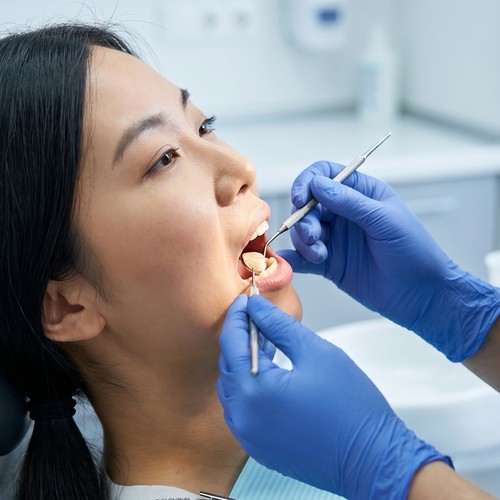
Filling, Inlay, or Crown: Which Restoration Actually Protects Your Tooth?
Is an inlay better than a filling? Learn if a large filling is better than a dental crown for long-term protection. Visit Cypress Family Dental to find out!
Read More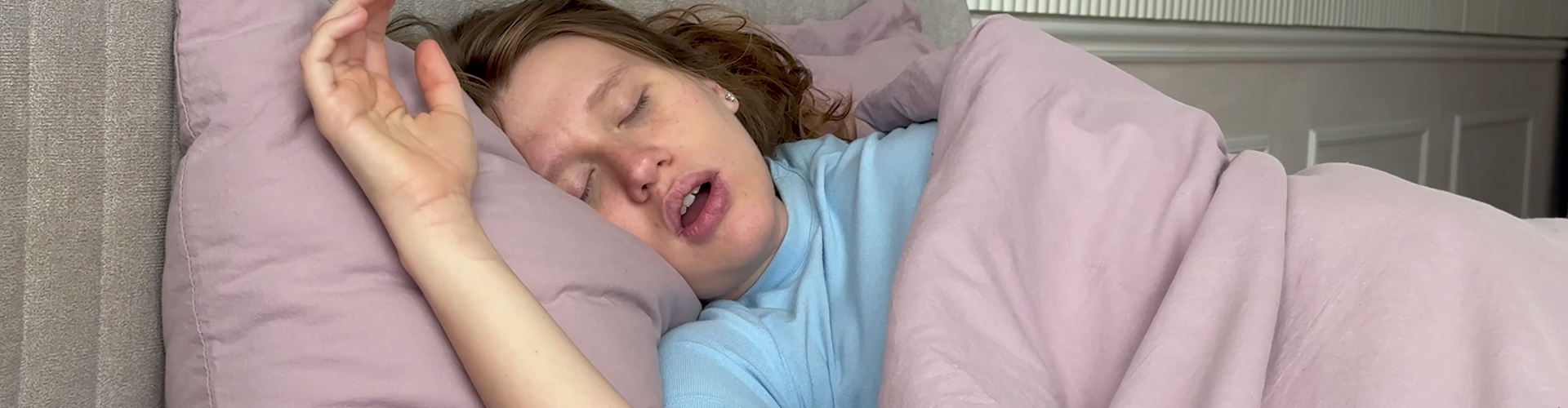
Sleep apnea is a common sleep disorder that affects millions of people worldwide. It is characterized by pauses in breathing during sleep, which can lead to a number of serious health problems, including high blood pressure, heart disease, and stroke.
If you've been diagnosed with sleep apnea, you may be wondering what treatment options are available. Two of the most common treatments are surgery and oral appliance therapy.
In this blog post, we will discuss the pros and cons of each treatment option to help you decide which one is right for you.
Sleep apnea surgery aims to address the root causes of your sleep apnea by correcting structural issues in your airway. Think of it as remodeling to create more space for airflow while you sleep. But just like any home renovation, the success of the project depends on the specifics of the job and the skill of the contractor!
Here's a closer look at some common surgical procedures:
Tonsillectomy and adenoidectomy: This is often recommended for children with sleep apnea, as enlarged tonsils and adenoids can significantly obstruct the airway. Removing them can dramatically improve breathing and reduce sleep apnea symptoms.
Uvulopalatopharyngoplasty (UPPP): This procedure targets the soft palate and uvula (that little dangling thing at the back of your throat). By removing excess tissue or repositioning it, UPPP aims to widen the airway and reduce vibrations that cause snoring and sleep apnea.
Genioglossus advancement: This procedure focuses on the tongue. The genioglossus muscle, which controls tongue movement, is repositioned to prevent the tongue from falling back and blocking the airway during sleep.
Maxillomandibular advancement (MMA): This is a more complex surgery that involves moving both the upper and lower jaws forward. It's typically reserved for more severe cases of sleep apnea where the jaw structure significantly contributes to airway obstruction.
So, what about those success rates? It's tricky to give a definitive answer, as success varies based on several factors:
It's important to have realistic expectations. Surgery might not completely eliminate sleep apnea in every case, but it can often significantly improve symptoms and quality of life. Your doctor will carefully evaluate your condition and discuss the potential benefits and risks of surgery to help you make an informed decision.
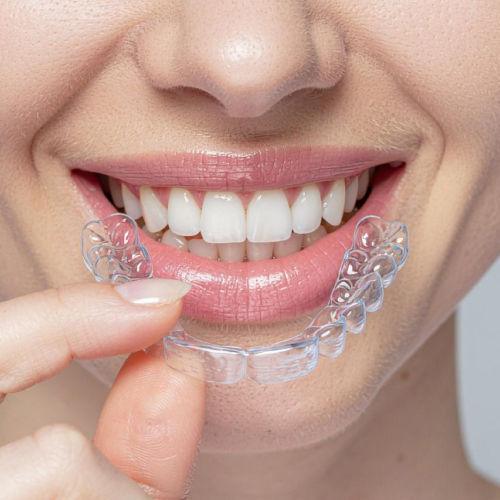
Oral appliances are devices that are worn in the mouth during sleep to help keep the airway open. There are two main types of oral appliances:
Oral appliances are a non-invasive treatment option that can be effective for mild to moderate sleep apnea. They are also a good option for people who cannot tolerate CPAP therapy.
Deciding between surgery and an oral appliance for sleep apnea is a big decision, and there's no one-size-fits-all answer. It truly depends on your individual circumstances and needs. Let's dive deeper into the factors you should weigh:
Severity of your sleep apnea: If your sleep apnea is mild to moderate, an oral appliance might be a great first-line treatment. It's less invasive and often very effective. However, for severe cases where your breathing is significantly compromised, surgery might offer a more permanent solution. Your doctor can help determine the severity of your condition through a sleep study and physical examination.
Your overall health: Surgery, like any medical procedure, carries some risks. If you have underlying health conditions that might make surgery riskier, an oral appliance could be the safer option. It's important to have an open and honest conversation with your doctor about your health history to assess your suitability for surgery.
Your lifestyle and preferences: Consider your comfort level with different treatment options. Are you comfortable with the idea of surgery and the recovery process? Or would you prefer a non-invasive approach like an oral appliance? Some people find wearing an oral appliance takes some getting used to, while others adapt quickly.
Cost and insurance coverage: Surgery can be significantly more expensive than oral appliance therapy. It's essential to check with your insurance provider to understand what's covered under your plan.
Long-term outlook: While surgery aims to provide a more permanent solution, it's not always a guaranteed cure. Some people may still require an oral appliance or CPAP therapy even after surgery. Oral appliances, on the other hand, might need to be replaced periodically.
Success rates: The success rates for both surgery and oral appliances vary. Factors like the type of surgery, the severity of your sleep apnea, and your commitment to treatment can all influence outcomes. Your doctor can provide you with more specific information about success rates based on your individual case.
Ultimately, the best way to navigate this decision is to have a thorough discussion with both your doctor and a qualified dentist experienced in treating sleep apnea. They can help you weigh the pros and cons of each option, considering your unique situation and preferences. At Cypress Family Dental, we can provide you with information about oral appliances and help you coordinate care with your physician to ensure you receive the most comprehensive treatment.
At Cypress Family Dental, we offer a variety of oral appliances for the treatment of sleep apnea. We also provide comprehensive dental exams and cleanings to help you maintain good oral health. To schedule an appointment, please get in touch here. We hope this blog post has been helpful. If you have any questions, please feel free to leave a comment below.
Fresh news from the dental world


Mon - Fri 8AM - 5PM
Sat & Sun Closed
Check out what our patients are saying in Cypress...
..png)

“They're All Top Notch”
I'm so happy to have found this awesome dentist with an awesome staff. I am completely confident in the doctor's skill level, and completely comfortable relying on him to work on me without allowing me to experience unnecessary pain. In addition to having a good relationship with the dentist, being able to relate with the office staff is equally important to me. From the hygienist to the dental assistants to the front desk, they're all top notch.

“They Are So Efficient”
This is the best dentist I have been to and I have been to several. The team is professional and welcoming. They are never over-booked and I have never waited more than 5 minutes in the lobby. They are so efficient, no matter what I go in for, I am out in 45 minutes or less. I highly recommend Cypress Family Dental.

“The Staff Did A Great Job”
Came to Cypress Family Dental a year ago for my sleep apnea device. No more snoring! The staff did a great job fitting me for this oral appliance. Better yet, they were there to support me when I needed some adjustments later on. The front office staff couldn't have been more accommodating to schedule me in. Easy to recommend.

“A Very Pleasant Experience”
My visit to the Cypress Family Dental office today was a very pleasant experience. The front desk staff greeted me upon entering the office and efficiently confirmed my scheduled appointment. I'm seen within a short time by professional, knowledgeable and comfortable staff. They're open to various types of insurance and are flexible on terms. Overall, I would definitely recommend Cypress Family Dental.

“They Truly Care”
The dentist and his staff are wonderful people! In the past, I have had horrible experiences at other dentist offices and then I found this place and I don't think I would ever go anywhere else again. I live about 45 min away from their office but the drive is well worth it. They truly care about their patients. I would recommend this office to anyone.
..png)
“The Doctors Are Just Stellar”
The sweetest people work here, I'm convinced! The ladies at the front desk always go out of their way to be kind and helpful, the hygienists listen to your concerns and will address them to their best ability, and the doctors are just stellar. I drive over 40 min from where I live to go here because it's rare to find a dental office this fantastic.
“They're All Top Notch”
I'm so happy to have found this awesome dentist with an awesome staff. I am completely confident in the doctor's skill level, and completely comfortable relying on him to work on me without allowing me to experience unnecessary pain. In addition to having a good relationship with the dentist, being able to relate with the office staff is equally important to me. From the hygienist to the dental assistants to the front desk, they're all top notch.
“They Are So Efficient”
This is the best dentist I have been to and I have been to several. The team is professional and welcoming. They are never over-booked and I have never waited more than 5 minutes in the lobby. They are so efficient, no matter what I go in for, I am out in 45 minutes or less. I highly recommend Cypress Family Dental.
Check out our accreditations, sources, and relationships in the wide world of dentistry...


Check us out and follow our Cypress dental practice on social media...


