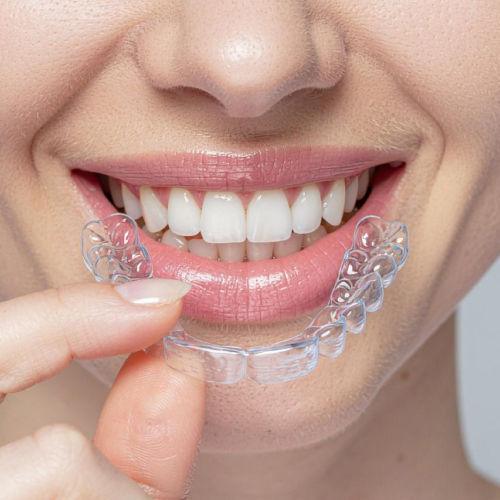
Why Your Invisalign Trays Aren't Fitting—And What to Do About It
Invisalign tray not fitting right in Cypress? Learn why gaps happen, what tracking means, and when refinements are needed. Call Cypress Family Dental.
Read More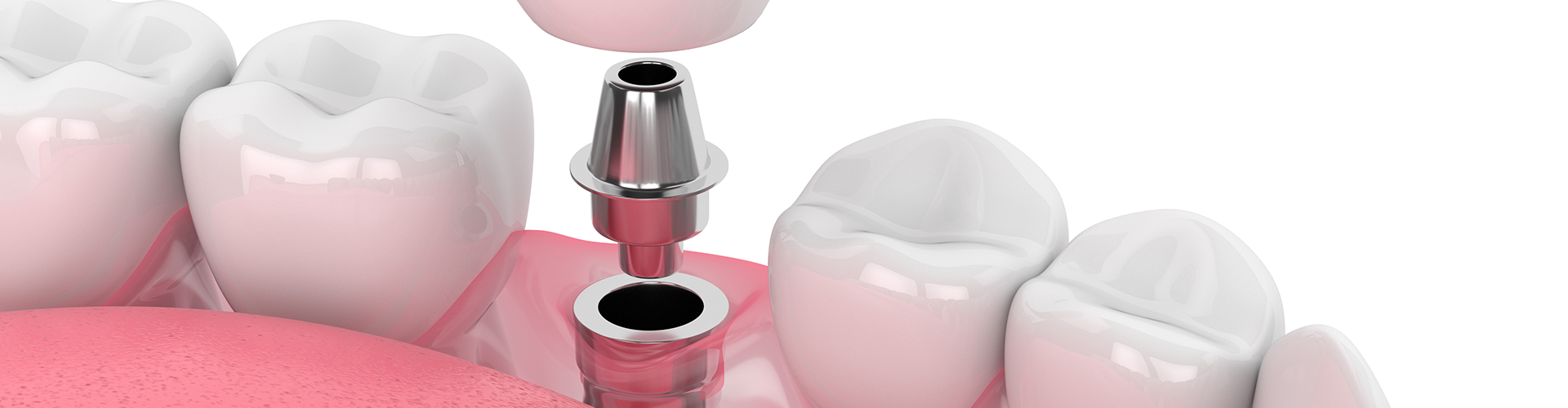
Dental implants are a transformative solution for missing teeth, providing durability, functionality, and a natural appearance. However, the post-implant procedure phase is crucial for ensuring the longevity and success of your new dental implants. Here, we'll answer some common questions and offer tips for a smooth recovery.
Adjusting to dental implants is a gradual process. Initially, you might feel some discomfort or a sense of unfamiliarity in your mouth. This adjustment period can vary from a few weeks to a couple of months. Most patients find that within three months, the implants feel just like natural teeth, and they are fully accustomed to them. During this period, it’s important to follow your dentist’s advice and maintain good oral hygiene to facilitate a smooth transition.
Post-implant surgery, it’s essential to be cautious about what you eat. Generally, you can start eating soft foods the day after the procedure. Foods like yogurt, mashed potatoes, and scrambled eggs are excellent choices. Over the next few weeks, you can gradually reintroduce firmer foods into your diet. Typically, by the time you reach the six-week mark, you should be able to eat most foods comfortably. However, it’s best to avoid extremely hard or chewy foods until your dentist gives you the green light.
To ensure a successful recovery and the long-term success of your dental implants, it’s crucial to avoid certain activities and foods. Here are some detailed guidelines:
Hard and Chewy Foods
In the days and weeks following your dental implant surgery, it’s important to avoid hard and chewy foods. Items like nuts, hard candies, and tough meats can put excessive pressure on the implant site, potentially causing discomfort or even dislodging the implant. Instead, opt for softer foods such as mashed potatoes, soups, yogurt, and scrambled eggs. As your healing progresses and upon your dentist’s advice, you can gradually reintroduce firmer foods into your diet.
Smoking and Alcohol
Both smoking and alcohol consumption can severely interfere with the healing process. Smoking reduces blood flow to the gums, delaying healing and increasing the risk of infection and implant failure. Alcohol, on the other hand, can interfere with the body’s natural healing processes and interact negatively with any prescribed pain medications. It’s recommended to avoid smoking entirely and limit alcohol consumption, especially in the first few weeks following the procedure.
Strenuous Physical Activity
Engaging in strenuous physical activities, such as heavy lifting or high-impact sports, can negatively impact the healing process. Increased physical exertion can lead to increased blood flow and pressure in the mouth, potentially causing bleeding or swelling at the implant site. Light activities like walking are generally safe, but it’s best to avoid any vigorous exercise for at least a few days post-surgery. Your dentist will provide specific guidance based on your individual recovery.
Touching the Implant Site
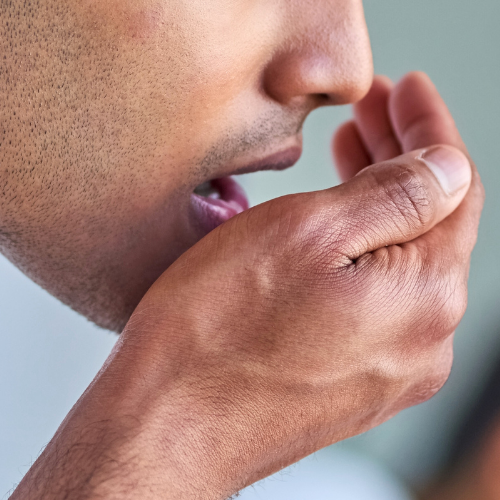
It can be tempting to touch or prod the implant site with your tongue or fingers, especially if it feels different or unusual. However, touching the area can introduce bacteria and cause infections or other complications. It’s crucial to keep your hands and tongue away from the implant site to allow it to heal undisturbed. Maintaining good oral hygiene, including gentle brushing and rinsing with an antimicrobial mouthwash, will help keep the area clean without the need for direct contact.
Hot and Spicy Foods
Hot and spicy foods can irritate the surgical site and cause discomfort. Foods with high temperatures or strong spices may increase swelling and sensitivity in the implant area. Stick to lukewarm, mild foods and beverages during the initial recovery period to avoid unnecessary irritation.
Sugary and Acidic Foods
Excessive consumption of sugary and acidic foods can promote bacterial growth and increase the risk of infection around the implant site. Beverages like soda, citrus juices, and sugary snacks should be limited. Opt for healthier alternatives such as water, herbal teas, and fresh fruits that are not overly acidic.
Crunchy Snacks
Snacks like chips, popcorn, and raw vegetables can be too harsh on the healing gums and implant site. These foods can easily get lodged between the implant and the gum, causing irritation and potential infection. Soft snacks like cheese, soft fruits, and pudding are better options during the initial healing phase.
Straws
Using straws can create suction in the mouth, which may dislodge the blood clot that forms at the surgical site. This clot is essential for proper healing, and its displacement can lead to a painful condition known as dry socket. Avoid using straws for the first few weeks after surgery to ensure the clot remains in place and the implant heals properly.
Maintaining Good Hygiene
While it's crucial to avoid certain foods and activities, maintaining good oral hygiene is equally important. Brush your teeth gently, avoiding the implant site, and use an antimicrobial mouthwash as recommended by your dentist. Regular dental check-ups will also help monitor the healing process and address any concerns promptly.
Following these guidelines diligently will help minimize complications and support a smooth and successful healing process. If you have any questions or concerns about your recovery, do not hesitate to contact your dental care provider for personalized advice and support.
Monitoring the healing process is crucial for ensuring the success of your dental implant. Recognizing the signs of proper healing can provide peace of mind and allow you to address any issues promptly. Here are some indicators that your dental implant is healing correctly:
Reduced Swelling and Bruising
Swelling and bruising are common after dental implant surgery, but they should gradually decrease within the first week. Initially, you might experience noticeable swelling around the implant site and sometimes in the surrounding facial areas. Applying a cold compress during the first 48 hours can help reduce swelling. If the swelling persists beyond a week or worsens, it could indicate an issue that needs your dentist's attention.
Minimal Discomfort
Some discomfort and tenderness are expected following the procedure, but this should lessen over time. Pain can be managed with prescribed medications or over-the-counter pain relievers as recommended by your dentist. As the days progress, you should notice a steady decrease in pain and discomfort. If you experience sharp, severe, or increasing pain after the first few days, contact your dentist, as this could be a sign of complications.
Healthy Gums
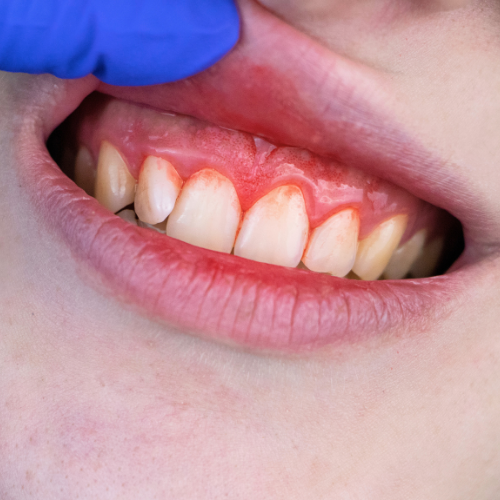
The tissue around the implant should look healthy. Initially, you may see some redness and minor inflammation, which are part of the normal healing process. However, the gums should gradually return to a natural pink color without excessive swelling or redness. If you notice signs of infection, such as pus, increased redness, or a foul odor, seek immediate dental care to prevent further complications.
Stability
A well-placed and properly healing dental implant should feel secure and stable. During the healing period, avoid putting unnecessary pressure on the implant. After the initial healing phase, your implant should not feel loose or move when you touch it with your tongue. If you experience any movement or instability, it's essential to contact your dentist promptly, as this could indicate a problem with osseointegration (the process where the implant fuses with the jawbone).
Normal Functionality
As healing progresses, you should be able to gradually resume normal functionality, such as speaking and chewing, without discomfort. Initially, you might feel some differences while chewing or speaking, but these should diminish as you get used to the implant. If you experience persistent issues with these functions, it might be worth discussing with your dentist to ensure everything is progressing as it should.
Absence of Infection
An absence of infection is a strong indicator of proper healing. Signs of infection include persistent swelling, redness, heat, pain, or discharge from the implant site. Good oral hygiene practices, such as gentle brushing and using an antimicrobial mouthwash, can help prevent infections. If any signs of infection appear, contacting your dentist immediately is crucial to address the issue before it worsens.
Positive Follow-Up Visits
Regular follow-up visits with your dentist are essential for monitoring the healing process. During these visits, your dentist will examine the implant site, check for proper osseointegration, and ensure there are no complications. X-rays may be taken to assess the bone growth around the implant. Positive feedback from your dentist during these visits is a reassuring sign that your implant is healing correctly.
Appropriate Response to Care
Following your dentist’s post-operative care instructions is vital for successful healing. If you adhere to the recommended care regimen and observe the advised precautions, and your implant shows signs of proper healing, this indicates that you are on the right track. Consistent improvement without major setbacks is a good sign that your body is responding well to the implant.
Healing Timeline
Understanding the typical healing timeline can help you gauge your progress. Initial healing occurs within the first few weeks, but complete osseointegration can take several months. Patience is key, and regular communication with your dental provider will ensure you stay informed about your healing journey.
If you notice any unusual symptoms such as severe pain, persistent swelling, signs of infection, or instability of the implant, contact your dentist immediately. Early intervention can prevent complications and ensure a successful outcome for your dental implant.
Ensuring proper care and attention during the post-implant phase is essential for the longevity of your dental implants. At Cypress Family Dental, we are dedicated to guiding you through each step of the process. If you have any concerns or are ready to discuss dental implants, schedule an appointment with us today. Your journey to a confident, healthy smile starts here!
Fresh news from the dental world



Mon - Fri 8AM - 5PM
Sat & Sun Closed
Check out what our patients are saying in Cypress...
..png)

“The Doctors Are Just Stellar”
The sweetest people work here, I'm convinced! The ladies at the front desk always go out of their way to be kind and helpful, the hygienists listen to your concerns and will address them to their best ability, and the doctors are just stellar. I drive over 40 min from where I live to go here because it's rare to find a dental office this fantastic.

“They Are So Efficient”
This is the best dentist I have been to and I have been to several. The team is professional and welcoming. They are never over-booked and I have never waited more than 5 minutes in the lobby. They are so efficient, no matter what I go in for, I am out in 45 minutes or less. I highly recommend Cypress Family Dental.

“A Very Pleasant Experience”
My visit to the Cypress Family Dental office today was a very pleasant experience. The front desk staff greeted me upon entering the office and efficiently confirmed my scheduled appointment. I'm seen within a short time by professional, knowledgeable and comfortable staff. They're open to various types of insurance and are flexible on terms. Overall, I would definitely recommend Cypress Family Dental.

“The Staff Did A Great Job”
Came to Cypress Family Dental a year ago for my sleep apnea device. No more snoring! The staff did a great job fitting me for this oral appliance. Better yet, they were there to support me when I needed some adjustments later on. The front office staff couldn't have been more accommodating to schedule me in. Easy to recommend.

“They Truly Care”
The dentist and his staff are wonderful people! In the past, I have had horrible experiences at other dentist offices and then I found this place and I don't think I would ever go anywhere else again. I live about 45 min away from their office but the drive is well worth it. They truly care about their patients. I would recommend this office to anyone.
..png)
“They're All Top Notch”
I'm so happy to have found this awesome dentist with an awesome staff. I am completely confident in the doctor's skill level, and completely comfortable relying on him to work on me without allowing me to experience unnecessary pain. In addition to having a good relationship with the dentist, being able to relate with the office staff is equally important to me. From the hygienist to the dental assistants to the front desk, they're all top notch.
“The Doctors Are Just Stellar”
The sweetest people work here, I'm convinced! The ladies at the front desk always go out of their way to be kind and helpful, the hygienists listen to your concerns and will address them to their best ability, and the doctors are just stellar. I drive over 40 min from where I live to go here because it's rare to find a dental office this fantastic.
“They Are So Efficient”
This is the best dentist I have been to and I have been to several. The team is professional and welcoming. They are never over-booked and I have never waited more than 5 minutes in the lobby. They are so efficient, no matter what I go in for, I am out in 45 minutes or less. I highly recommend Cypress Family Dental.
Check out our accreditations, sources, and relationships in the wide world of dentistry...


Check us out and follow our Cypress dental practice on social media...


