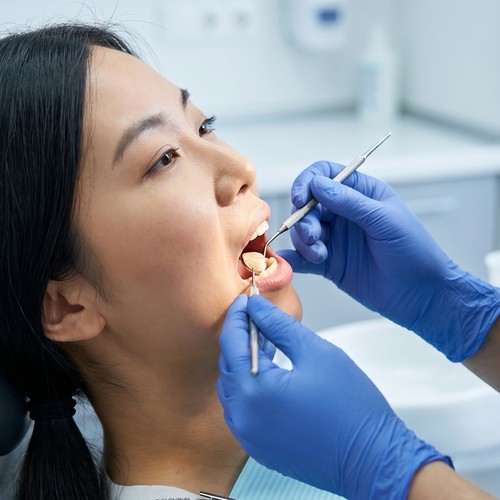
Filling, Inlay, or Crown: Which Restoration Actually Protects Your Tooth?
Is an inlay better than a filling? Learn if a large filling is better than a dental crown for long-term protection. Visit Cypress Family Dental to find out!
Read More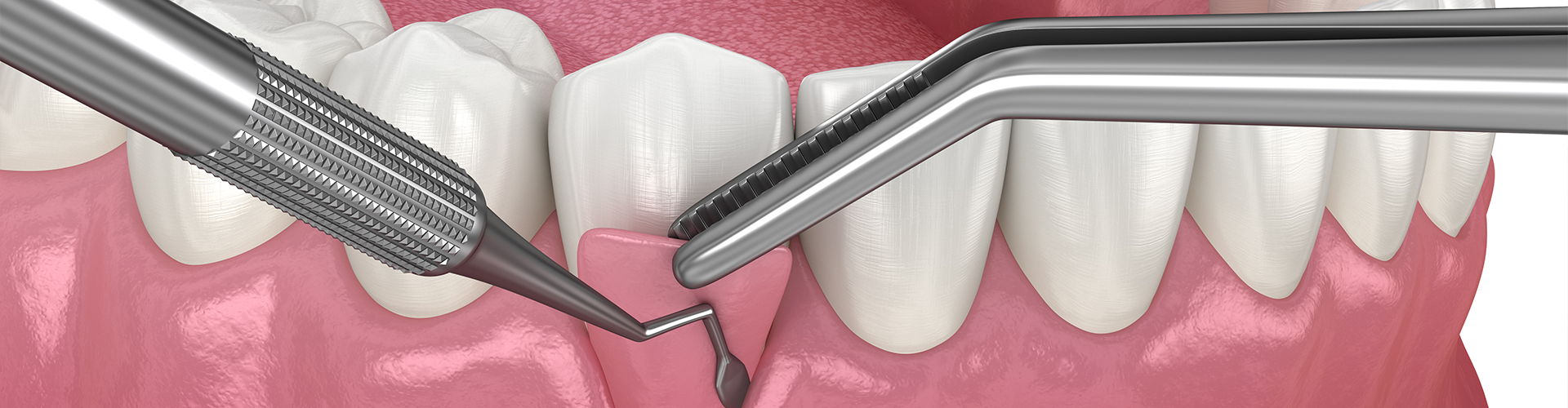
Have you ever noticed that your teeth appear longer than they used to, or that your gums seem to be pulling back from your teeth? Gum recession is more common than you might think, and it can lead to sensitivity, aesthetic concerns, and even tooth loss if left untreated. One effective solution is gum grafting—a procedure that can restore your gumline and protect your oral health. Let's explore this treatment and answer some of the most common questions people have about gum grafting.
Gum grafting is a minor oral surgery that aims to repair and restore gums that have receded due to various factors. During the procedure, your dentist or periodontist will transplant a small piece of tissue—either from the roof of your mouth or from a donor source—to the affected area. This new tissue integrates with your existing gums, covering exposed tooth roots and promoting new tissue growth.
Gum recession can happen for several reasons:
By addressing gum recession early, you can prevent more serious dental issues down the line. Gum grafting is a proactive step toward maintaining a healthy mouth, and it can significantly improve your quality of life.
Feeling anxious about any surgical procedure, especially one involving your mouth, is completely normal. However, gum grafting is designed to minimize discomfort and ensure your experience is as pain-free as possible.
During the Procedure
Gum grafting is typically performed under local anesthesia, which numbs the treatment area so you won't feel pain during the procedure itself. For those who are particularly anxious, sedation options such as nitrous oxide (laughing gas) or oral sedatives can be discussed with your dentist to enhance comfort. These methods are safe and help create a more relaxed environment, allowing you to undergo the procedure with ease.
After the Procedure
Once the anesthesia wears off, it's common to experience some mild discomfort or soreness. This is a normal part of the healing process and can be effectively managed with a few simple steps:
Recovery Tips
To ensure a smooth and comfortable recovery, follow these additional tips:
Healing Timeline
Most patients notice a significant reduction in discomfort within a few days after the procedure. By the end of the first week, swelling and pain typically subside, allowing you to return to your normal routine. Full healing of the grafted area can take several weeks, during which your new gum tissue integrates with the existing gums to provide lasting protection and improved oral health.
Managing Discomfort
Everyone's pain tolerance is different, so it's important to communicate openly with your dental care provider about any discomfort you experience. They can adjust your pain management plan to ensure you remain comfortable throughout the recovery period.
Gum grafting is a well-established procedure with a high success rate in alleviating pain associated with gum recession and restoring the health and appearance of your gums.
The answer largely depends on your insurance provider and the specifics of your dental plan.
Gum grafting is often considered a necessary periodontal procedure rather than a cosmetic one, especially if it's needed to treat gum disease or prevent further dental issues. As such, many insurance plans offer partial or full coverage for the procedure.
Here's what you can do:
At our clinic, we understand that navigating insurance can be confusing. Our knowledgeable staff is here to help you understand your benefits and explore financing options if needed. We believe that financial concerns should never stand in the way of essential dental care.
Your oral health is an integral part of your overall well-being. Gum grafting offers a reliable solution to gum recession, restoring not just your gums but also your confidence.
Our dedicated team is here to answer any further questions you might have and to guide you through the process with care and expertise. We pride ourselves on creating a comfortable, welcoming environment where your concerns are heard, and your needs are met.
Don't let gum recession compromise your smile or your oral health. Schedule an appointment with us today, and let's embark on the journey to optimal oral health together. We're committed to helping you achieve a smile that you can be proud of.
Fresh news from the dental world


Mon - Fri 8AM - 5PM
Sat & Sun Closed
Check out what our patients are saying in Cypress...
..png)

“They're All Top Notch”
I'm so happy to have found this awesome dentist with an awesome staff. I am completely confident in the doctor's skill level, and completely comfortable relying on him to work on me without allowing me to experience unnecessary pain. In addition to having a good relationship with the dentist, being able to relate with the office staff is equally important to me. From the hygienist to the dental assistants to the front desk, they're all top notch.

“They Are So Efficient”
This is the best dentist I have been to and I have been to several. The team is professional and welcoming. They are never over-booked and I have never waited more than 5 minutes in the lobby. They are so efficient, no matter what I go in for, I am out in 45 minutes or less. I highly recommend Cypress Family Dental.

“The Staff Did A Great Job”
Came to Cypress Family Dental a year ago for my sleep apnea device. No more snoring! The staff did a great job fitting me for this oral appliance. Better yet, they were there to support me when I needed some adjustments later on. The front office staff couldn't have been more accommodating to schedule me in. Easy to recommend.

“A Very Pleasant Experience”
My visit to the Cypress Family Dental office today was a very pleasant experience. The front desk staff greeted me upon entering the office and efficiently confirmed my scheduled appointment. I'm seen within a short time by professional, knowledgeable and comfortable staff. They're open to various types of insurance and are flexible on terms. Overall, I would definitely recommend Cypress Family Dental.

“They Truly Care”
The dentist and his staff are wonderful people! In the past, I have had horrible experiences at other dentist offices and then I found this place and I don't think I would ever go anywhere else again. I live about 45 min away from their office but the drive is well worth it. They truly care about their patients. I would recommend this office to anyone.
..png)
“The Doctors Are Just Stellar”
The sweetest people work here, I'm convinced! The ladies at the front desk always go out of their way to be kind and helpful, the hygienists listen to your concerns and will address them to their best ability, and the doctors are just stellar. I drive over 40 min from where I live to go here because it's rare to find a dental office this fantastic.
“They're All Top Notch”
I'm so happy to have found this awesome dentist with an awesome staff. I am completely confident in the doctor's skill level, and completely comfortable relying on him to work on me without allowing me to experience unnecessary pain. In addition to having a good relationship with the dentist, being able to relate with the office staff is equally important to me. From the hygienist to the dental assistants to the front desk, they're all top notch.
“They Are So Efficient”
This is the best dentist I have been to and I have been to several. The team is professional and welcoming. They are never over-booked and I have never waited more than 5 minutes in the lobby. They are so efficient, no matter what I go in for, I am out in 45 minutes or less. I highly recommend Cypress Family Dental.
Check out our accreditations, sources, and relationships in the wide world of dentistry...


Check us out and follow our Cypress dental practice on social media...


