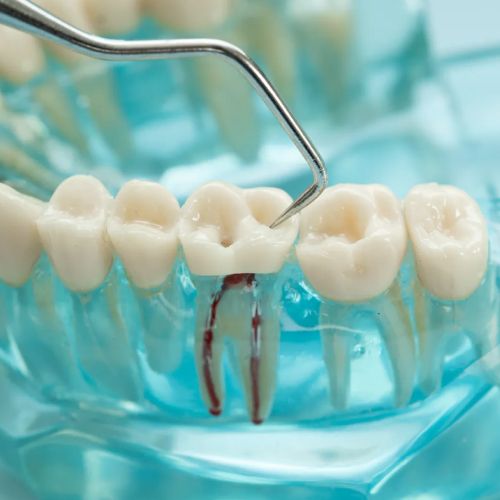
Root Canals and Pain: What Your Dentist Wants You to Know Before Your Appointment
Are you nervous about root canal pain? Learn why this dental procedure isn't as scary as you think and how we prioritize your comfort. Book your exam today!
Read More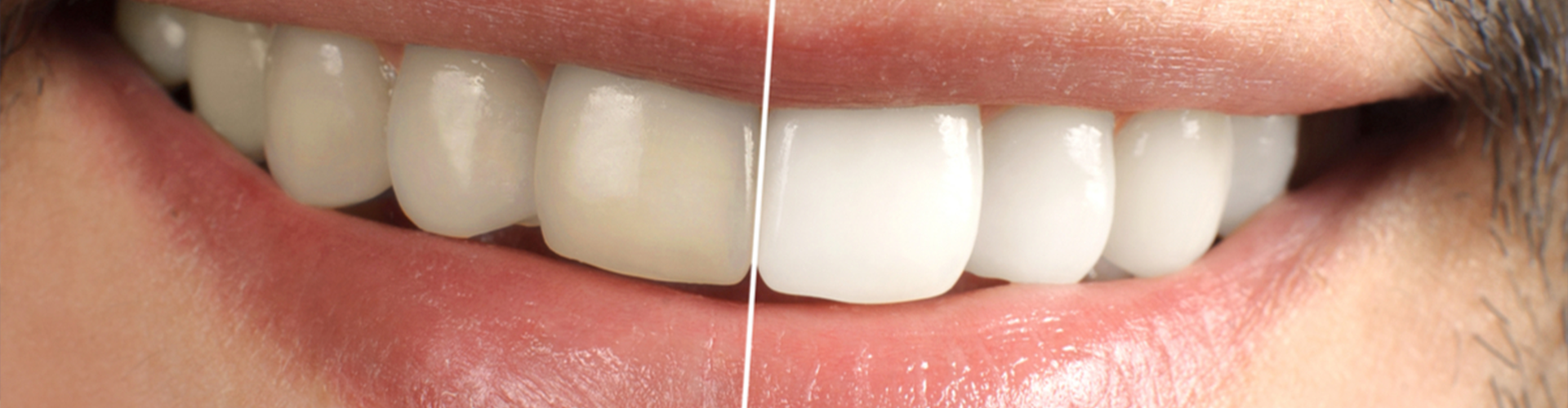
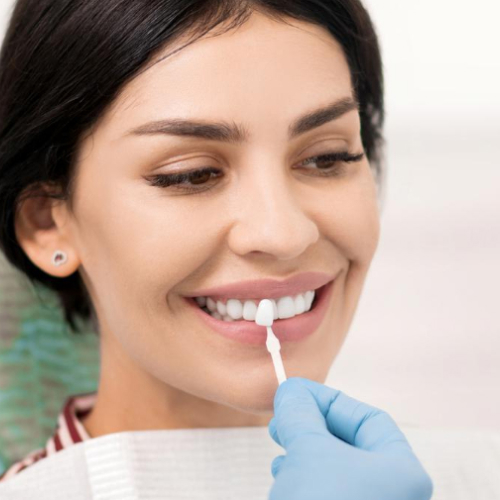
People are paying more and more for whitening their teeth. A bright smile brings out our personality to a whole new level, and knowing you have a shining set of teeth boosts your confidence to a whole new level. Americans are paying billions of dollars every year just to whiten their teeth, but is teeth whitening really working? Here are some common concerns about teeth whitening. What Is Teeth Whitening? Teeth whitening is a process of discolored teeth layer removal by bleaching them and making them lighter. The process removes the damaged teeth coating from the top of the tooth and leaves a lighter shade to your teeth. What Causes Teeth Discoloration? Food and Drinks: Drinks like tea, coffee, and wine can have a drastic impact on your teeth, depending on when you consume them. For instance, if you take the drinks or any such food just after brushing or sensitizing your teeth, they can impact the teeth coating. Medication: Certain drugs, antihistamines, antipsychotics, and high blood pressure medications, for instance, when used in excess or regularly, can cause damage to the visual nature of your teeth. Some antibiotics like tetracycline also damage calcium in teeth and bone, causing discoloration. Tobacco Use: Long-term tobacco use can also leave tar stains on your teeth, leading to a pale yellow-brown discoloration on teeth. Nicotine, when mixed with O2, also damages teeth severely. Age: As you age, the layer on the outermost of teeth, called enamel, is worn out, leaving a rather yellowish part of your tooth visible, leading to giving it a yellowish discoloration. Diseases: Certain diseases can also lead to teeth discoloration. Metabolic diseases, calcium deficiency, liver disease, rickets, eating disorders, and celiac disease have a rather drastic effect on your teeth.
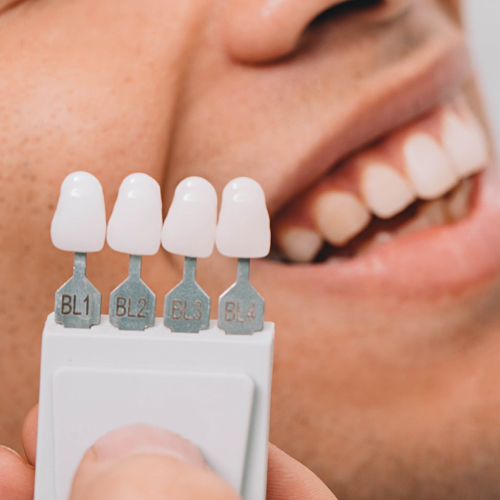
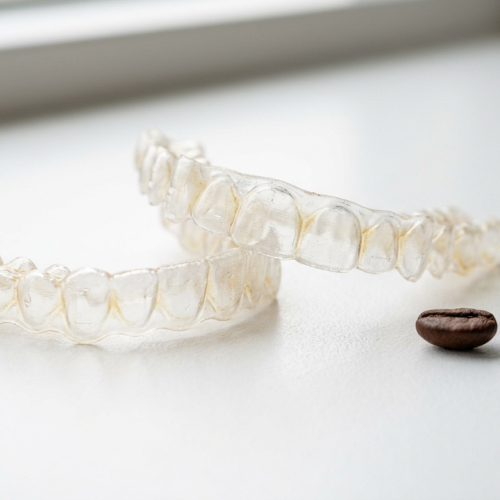
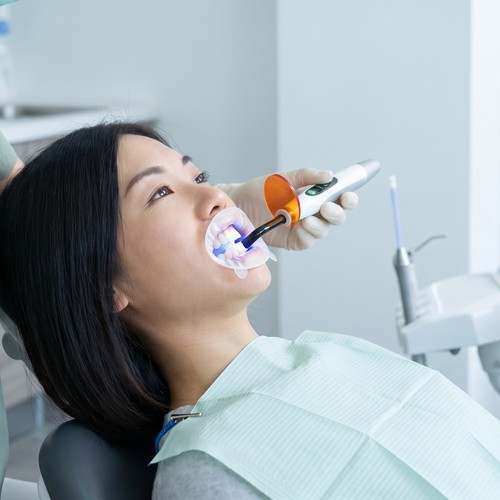
Does In-Office Teeth Whitening Work? If you are considering getting your teeth whitened, in-office teeth whitening is your best option. If you want something done, let it be done by the best, and who better to treat your teeth and whiten them than a dentist? Dentists know your tooth condition and can prescribe you the best possible way of whitening your teeth. A lot of protective care is given, like a liquid rubber dam or hardening resin is painted onto the gum tissue to protect against any irritation caused by the bleaching gel. Moreover, you have a number of options in teeth whitening products at a dentist, which otherwise you can’t get at home. Like in-office bleaching is done by professional doctors, so they know what is harmful for you and what isn’t. Proper protection is considered so that no damage occurs to your mucous membrane. Dental procedures can be sometimes costly and not affordable by everyone, but they are worth every penny spent, and going to a teeth whitening appointment once in a while is good for your dental hygiene. Dental bleaching can sometimes be a tiring procedure, consisting of a number of visits to the dentist. A dental get is sometimes prescribed that is to be applied for some weeks to get your teeth ready for a certain procedure. These gels help whiten your teeth by daily application at night or in the morning. Laser teeth whitening is also a process used in teeth whitening, which is a high-tech procedure and is comparatively newer than the previous ones. A liquid or gel-type product is first applied on teeth to be whitened, and then a laser or light is shown on the teeth, which gives them a bright white shine removing the dull yellow hue. This is a long process that can take up to 1 hour. A custom-made dental tray can also be provided by your dentist, which can then be used at home to accomplish teeth whitening by yourself by simply applying the tray for the prescribed time, as told by the dentist. Do Over The Counter Teeth Whiteners Work? Over-the-counter (OTC) teeth whitening is also an option available for the teeth whitening process at home. But it is a concern of a lot of people whether or not over-the-counter teeth whitening works or not. Let me tell you, there are a number of ways through which at-home teeth whitening can be accomplished. Over-the-counter teeth whitening toothpaste is a good choice of product that can be used. A number of compounds like fluoride and stain removal compounds are incorporated in the product, which help with the tooth whitening process. Just make sure to get a toothpaste that has clear labeling, ADA Seal of Acceptance for Stain Removal. These are certified products that can help you with achieving bright white teeth at the ease of your home. In your superstore racks or online, you would’ve come across tooth whitening pastes or strips, these are a good option, and the amount of bleach used in these is way lower than the amount used by your dentist in his office. If you are interested in purchasing any of these pastes or strips with medicated tags on them, make sure you check with your dentist for any side effects or allergies that you may have. Make sure the product you opt for use is certified and safe to use.
Is Teeth Whitening Bad For Your Teeth? Yes and no, this is a complex question with a complicated answer. Let me explain. Having a good set of teeth is good for your personality and makes a person more presentable. Still, a need to get your teeth whitened arises due to the carelessness of your dental hygiene. If you have a good set of teeth, make sure you brush and floss twice daily so that you prolong your teeth health. Teeth's natural color differs from person to person, and the white color of teeth is a myth. Naturally, teeth are slightly yellowish in color due to the enamel present on the outside covering of your teeth. So, getting them white is not the ideal solution. Teeth whitening can sometimes be the last resort for a person to be accepted socially because, either due to lifestyle causes or disease medications, teeth have formed permanent stains. In those cases, though, tooth whitening is necessary. Some people might experience sensitivity to cold or hot stuff just after the treatment. This is generally due to exposed nerve endings due to chemical treatment of teeth. Overuse of everything is never appreciated, and excess usage without consulting a doctor can lead to severe complications leading to permanent damage.
Fresh news from the dental world



Mon - Fri 8AM - 5PM
Sat & Sun Closed
Check out what our patients are saying in Cypress...
..png)

“The Doctors Are Just Stellar”
The sweetest people work here, I'm convinced! The ladies at the front desk always go out of their way to be kind and helpful, the hygienists listen to your concerns and will address them to their best ability, and the doctors are just stellar. I drive over 40 min from where I live to go here because it's rare to find a dental office this fantastic.

“They Are So Efficient”
This is the best dentist I have been to and I have been to several. The team is professional and welcoming. They are never over-booked and I have never waited more than 5 minutes in the lobby. They are so efficient, no matter what I go in for, I am out in 45 minutes or less. I highly recommend Cypress Family Dental.

“They Truly Care”
The dentist and his staff are wonderful people! In the past, I have had horrible experiences at other dentist offices and then I found this place and I don't think I would ever go anywhere else again. I live about 45 min away from their office but the drive is well worth it. They truly care about their patients. I would recommend this office to anyone.

“The Staff Did A Great Job”
Came to Cypress Family Dental a year ago for my sleep apnea device. No more snoring! The staff did a great job fitting me for this oral appliance. Better yet, they were there to support me when I needed some adjustments later on. The front office staff couldn't have been more accommodating to schedule me in. Easy to recommend.

“A Very Pleasant Experience”
My visit to the Cypress Family Dental office today was a very pleasant experience. The front desk staff greeted me upon entering the office and efficiently confirmed my scheduled appointment. I'm seen within a short time by professional, knowledgeable and comfortable staff. They're open to various types of insurance and are flexible on terms. Overall, I would definitely recommend Cypress Family Dental.
..png)
“They're All Top Notch”
I'm so happy to have found this awesome dentist with an awesome staff. I am completely confident in the doctor's skill level, and completely comfortable relying on him to work on me without allowing me to experience unnecessary pain. In addition to having a good relationship with the dentist, being able to relate with the office staff is equally important to me. From the hygienist to the dental assistants to the front desk, they're all top notch.
“The Doctors Are Just Stellar”
The sweetest people work here, I'm convinced! The ladies at the front desk always go out of their way to be kind and helpful, the hygienists listen to your concerns and will address them to their best ability, and the doctors are just stellar. I drive over 40 min from where I live to go here because it's rare to find a dental office this fantastic.
“They Are So Efficient”
This is the best dentist I have been to and I have been to several. The team is professional and welcoming. They are never over-booked and I have never waited more than 5 minutes in the lobby. They are so efficient, no matter what I go in for, I am out in 45 minutes or less. I highly recommend Cypress Family Dental.
Check out our accreditations, sources, and relationships in the wide world of dentistry...


Check us out and follow our Cypress dental practice on social media...


