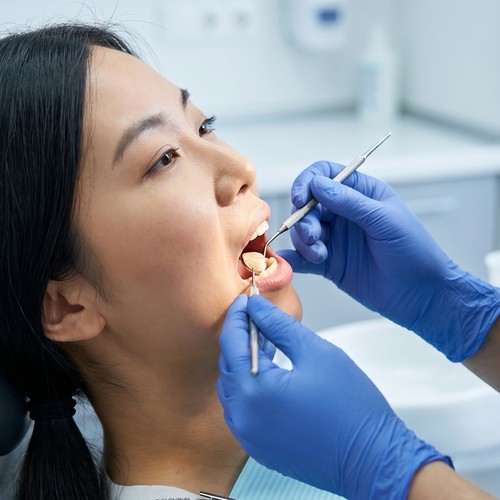
Filling, Inlay, or Crown: Which Restoration Actually Protects Your Tooth?
Is an inlay better than a filling? Learn if a large filling is better than a dental crown for long-term protection. Visit Cypress Family Dental to find out!
Read More
In today's age, understanding orthodontic options for kids is crucial for parents. The beauty of a child's smile can be enhanced by well-aligned, healthy teeth that not only boost their self-esteem but also contribute to their overall oral health. The field of orthodontics offers a variety of options for treating malocclusions or "bad bites." Let's explore the need for early treatment, the types of braces best suited for kids, the stages of braces, and the cost of this dental investment.
Orthodontics isn't just about straight teeth. It's a science that oversees the growth and development of the teeth and jaw. So, is early orthodontic treatment necessary? The simple answer is - it depends.
Every child is unique, and so is their dental development. The American Association of Orthodontists (AAO) recommends that children should have their first orthodontic consultation no later than age seven. This doesn't mean your child will get braces right away. Instead, this visit allows the orthodontist to check the growth of your child's jaws, the loss and eruption of primary teeth, and if there are any potential issues that may need early intervention.
Early treatment, also known as Phase 1 or interceptive treatment, can be beneficial in certain cases. It can guide jaw growth, correct harmful oral habits, lower the risk of trauma to protruding teeth, guide permanent teeth into a better position, and simplify later treatment.
When it comes to braces for kids, there's no one-size-fits-all answer. Several factors come into play, such as the child's age, the severity of the dental problem, their oral hygiene habits, and their comfort level with orthodontic appliances.
Traditional metal braces are the most common choice. They're durable, cost-effective, and work well for most kinds of orthodontic issues. These aren't the 'train track' braces of old, either. Modern designs are sleeker, more comfortable, and even come with colored bands for a fun, customizable look.
Ceramic braces are similar to metal braces but use clear or tooth-colored brackets to blend in with the teeth. They're less noticeable but can stain if not cared for properly.
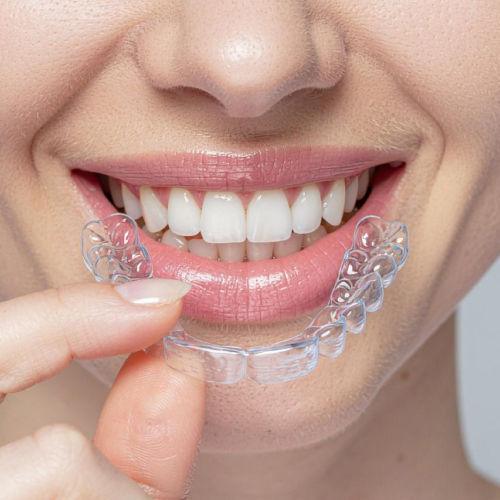
Invisalign or clear aligner therapy can be an option for older kids and teens who have all their permanent teeth. These clear, removable aligners are virtually invisible, making them a popular choice among self-conscious teens. However, they require more discipline to wear regularly and may not be suitable for all types of orthodontic problems.
Orthodontic treatment is often considered a rite of passage during childhood. While it may seem straightforward on the surface, the process actually involves several carefully planned and executed stages to ensure the best results. Understanding these stages can help parents and children prepare for the journey ahead and know what to expect at each step.
Phase 1 Treatment: The Proactive Approach
The initial phase, also known as Phase 1 or interceptive treatment, usually begins when the child still has a mix of primary and permanent teeth, typically around the age of six to nine. During this stage, the orthodontist uses different types of appliances such as palatal expanders, partial braces or retainers depending on the child's needs.
The main aim of Phase 1 treatment is to tackle issues that could become more complicated if left untreated. This early intervention helps guide the growth of the jaw, correct harmful oral habits, and make room for incoming permanent teeth. It can also address problems such as crossbites, severe crowding, or protruding teeth, which can impact a child's facial appearance and self-esteem.
One significant benefit of Phase 1 treatment is that it can potentially simplify or even eliminate the need for more intensive treatment later on. It's important to note that not all children require Phase 1 treatment – it's typically recommended only for kids with certain dental conditions.
The Resting Period: A Time for Growth
After Phase 1 treatment is completed, there is often a 'resting period'. During this time, no active orthodontic treatment is carried out. This period allows the remaining permanent teeth to emerge naturally without interference. The child may be given a retainer to wear during this time to maintain the changes made during Phase 1.
Phase 2 Treatment: Refining the Smile
Once most of the permanent teeth have erupted, usually by the age of 11 to 13, the orthodontist can embark on Phase 2 treatment. This is what most people traditionally think of when they hear the word 'braces'. During this phase, full upper and lower braces or clear aligners are typically used to move the teeth into their ideal positions.
Phase 2 treatment focuses on aligning the teeth and perfecting the bite for optimal function and aesthetics. It aims to ensure each tooth has an exact location in the mouth where it is in harmony with the lips, cheeks, tongue, and other teeth. The duration of this stage varies widely based on the complexity of the case, but it typically ranges from one to three years.
Retention: Protecting Your Investment
After the active stages of treatment, we move into the final phase: retention. Retainers are custom-made devices, often clear plastic or wires, worn to prevent the teeth from shifting back to their original positions - a natural tendency known as relapse. Your orthodontist will give specific instructions on how and when to wear the retainers.
Understanding the stages of braces and what each involves can help demystify the process and make it more manageable. If you're considering braces for your child, book a consultation with us to discuss the best plan for their unique smile.
The cost of braces for a child can depend on various factors, such as the type of braces, the complexity of the case, and the geographical location. While it's difficult to give an exact cost without a consultation, you can expect a ballpark range of a few to several thousand dollars for traditional braces. Remember, many dental insurance plans cover a portion of orthodontic treatment, and flexible payment plans can make the process more affordable.
Remember that investing in your child's smile is not just about aesthetics; it's about their oral health and self-confidence as well. So, if you're considering orthodontic treatment for your child, schedule a consultation with us today to explore the best options!
Fresh news from the dental world
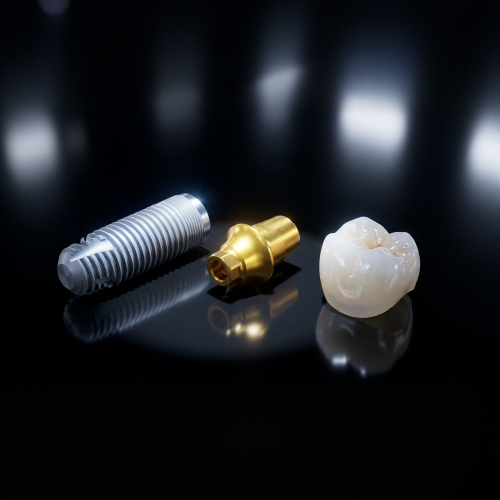
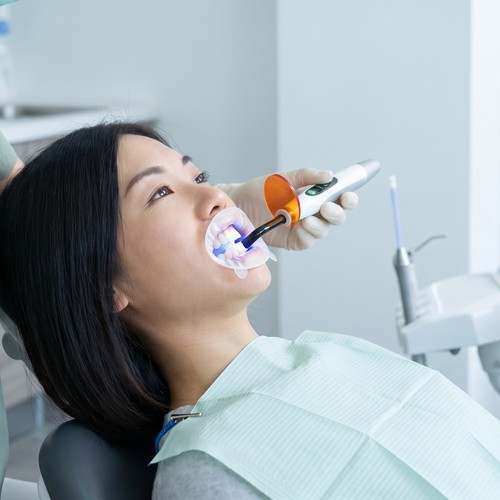
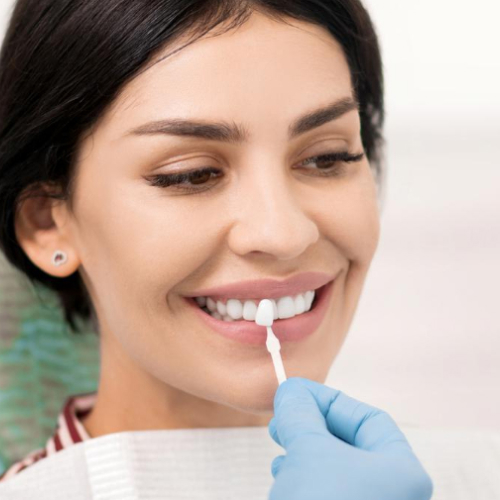


Mon - Fri 8AM - 5PM
Sat & Sun Closed
Check out what our patients are saying in Cypress...
..png)

“They're All Top Notch”
I'm so happy to have found this awesome dentist with an awesome staff. I am completely confident in the doctor's skill level, and completely comfortable relying on him to work on me without allowing me to experience unnecessary pain. In addition to having a good relationship with the dentist, being able to relate with the office staff is equally important to me. From the hygienist to the dental assistants to the front desk, they're all top notch.

“They Are So Efficient”
This is the best dentist I have been to and I have been to several. The team is professional and welcoming. They are never over-booked and I have never waited more than 5 minutes in the lobby. They are so efficient, no matter what I go in for, I am out in 45 minutes or less. I highly recommend Cypress Family Dental.

“The Staff Did A Great Job”
Came to Cypress Family Dental a year ago for my sleep apnea device. No more snoring! The staff did a great job fitting me for this oral appliance. Better yet, they were there to support me when I needed some adjustments later on. The front office staff couldn't have been more accommodating to schedule me in. Easy to recommend.

“A Very Pleasant Experience”
My visit to the Cypress Family Dental office today was a very pleasant experience. The front desk staff greeted me upon entering the office and efficiently confirmed my scheduled appointment. I'm seen within a short time by professional, knowledgeable and comfortable staff. They're open to various types of insurance and are flexible on terms. Overall, I would definitely recommend Cypress Family Dental.

“They Truly Care”
The dentist and his staff are wonderful people! In the past, I have had horrible experiences at other dentist offices and then I found this place and I don't think I would ever go anywhere else again. I live about 45 min away from their office but the drive is well worth it. They truly care about their patients. I would recommend this office to anyone.
..png)
“The Doctors Are Just Stellar”
The sweetest people work here, I'm convinced! The ladies at the front desk always go out of their way to be kind and helpful, the hygienists listen to your concerns and will address them to their best ability, and the doctors are just stellar. I drive over 40 min from where I live to go here because it's rare to find a dental office this fantastic.
“They're All Top Notch”
I'm so happy to have found this awesome dentist with an awesome staff. I am completely confident in the doctor's skill level, and completely comfortable relying on him to work on me without allowing me to experience unnecessary pain. In addition to having a good relationship with the dentist, being able to relate with the office staff is equally important to me. From the hygienist to the dental assistants to the front desk, they're all top notch.
“They Are So Efficient”
This is the best dentist I have been to and I have been to several. The team is professional and welcoming. They are never over-booked and I have never waited more than 5 minutes in the lobby. They are so efficient, no matter what I go in for, I am out in 45 minutes or less. I highly recommend Cypress Family Dental.
Check out our accreditations, sources, and relationships in the wide world of dentistry...


Check us out and follow our Cypress dental practice on social media...


