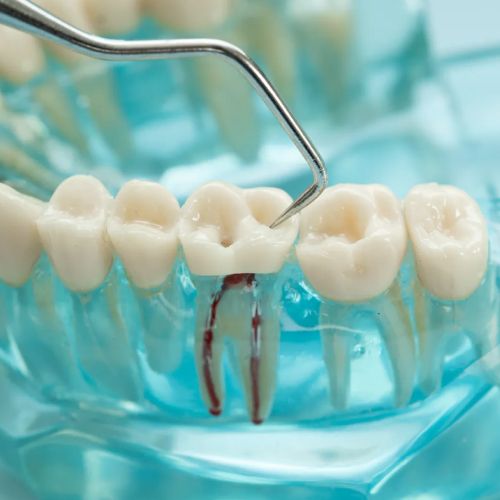
Root Canals and Pain: What Your Dentist Wants You to Know Before Your Appointment
Are you nervous about root canal pain? Learn why this dental procedure isn't as scary as you think and how we prioritize your comfort. Book your exam today!
Read More
Let's face it, nobody likes the dreaded "C" word when it comes to our teeth. Cavities! Despite our best efforts—brushing, flossing, and saying no to that tempting second slice of cake—many of us find ourselves battling these pesky dental nuisances. You might wonder, "Why me? I take good care of my teeth!" Well, it's time to demystify the world of cavities. Dive in as we uncover the reasons behind cavity formation, explore if they can ever "disappear", and provide insights on when to rush to a dentist and when some home remedies might help. If you've ever had that sinking feeling upon hearing your dentist say, "It looks like you have a cavity," this one's for you!
Cavities, also known as dental caries or tooth decay, form when bacteria in the mouth produce acids that weaken the enamel. Though brushing and flossing are vital, they aren't the sole factors that prevent cavities.
Diet Matters: Consuming sugary and starchy foods feeds the bacteria that cause tooth decay. Even if you brush regularly, a sugar-heavy diet can increase your risk of cavities.
Brushing and Flossing Technique: It's not just about doing it, but doing it right. Incorrect brushing or flossing techniques can leave harmful bacteria behind.
Saliva Production: Saliva helps neutralize acids and wash away food particles. Some people naturally produce less saliva, or certain medications may reduce saliva flow, increasing cavity risk.
Once a cavity forms, it doesn't just "go away." The damage to the enamel is permanent. However, the progression can be halted, and the cavity can be treated to prevent further decay.
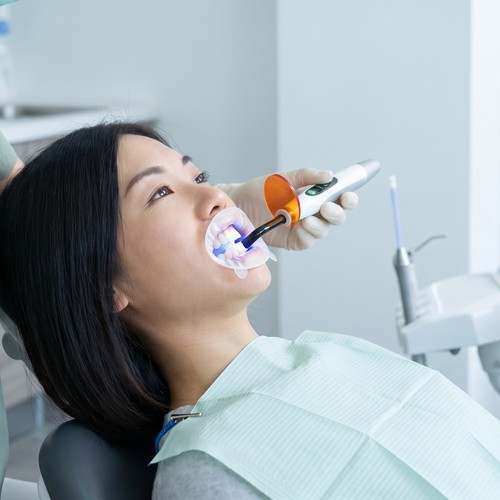
Dental Fillings: The most common treatment for cavities is a filling. Your dentist removes the decayed portion of the tooth and "fills" the area with a material like resin, porcelain, or amalgam.
Prevention is the Best Cure: While existing cavities can't be reversed, you can prevent new ones. Regular check-ups, fluoride treatments, and sealants are proven preventive methods.
Cavities, sometimes regarded as mere inconveniences, can have long-lasting repercussions if ignored. The journey of an untreated cavity is a progressive one, and understanding this journey is essential in recognizing the importance of timely dental intervention.
Progressive Deterioration: An untreated cavity doesn't just plateau; it continues its march of destruction. Initially presenting as a small pit or dark spot, it can gradually erode the tooth's layers. What starts as a tiny hole on the tooth's surface can infiltrate deeper, threatening the tooth's very core. Imagine it like a small crack in the foundation of a house; over time, if unchecked, it can compromise the entire building.
Risk of Infection: The mouth is a bustling metropolis for bacteria. When cavities deepen, they grant these bacteria an all-access pass to the inner sanctums of your tooth: the pulp. The pulp is the living tissue inside a tooth, housing nerves and blood vessels. A bacterial invasion here is bad news. It can lead to infections that are not only excruciatingly painful but can also give rise to dental abscesses—a pus-filled pocket that's as unpleasant as it sounds. More alarmingly, if these infections spread, they can impact other parts of the body, resulting in systemic infections that can be life-threatening in extreme scenarios.
Tooth Loss: The strength of a tooth isn't just in its outer enamel but its structural integrity. As cavities progress and consume more of the tooth, they can weaken the tooth's foundational structure. This can lead to fractures, breaks, or at worst, the complete disintegration of the tooth. Over time, the tooth might become so compromised that the only viable option left is extraction. Losing a natural tooth isn't just an aesthetic concern—it can lead to challenges in chewing, speaking, and can even affect the alignment of other teeth.
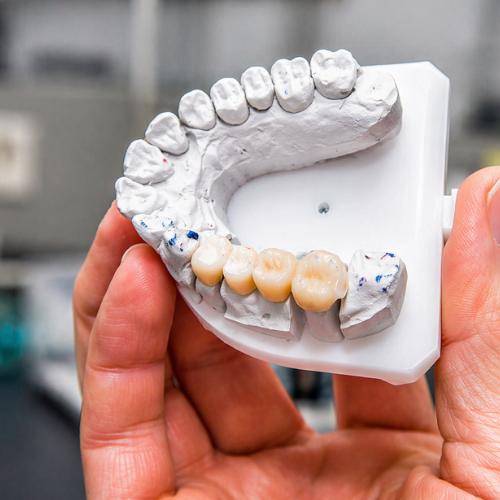
Costly Treatments: Think of cavities as that small leak in your roof. Address it early, and you might just need a patch. Ignore it, and you could be looking at a whole new roof. Similarly, catching a cavity in its infancy might mean a straightforward filling. But letting it grow unchecked could escalate the situation to where more intensive (and expensive) treatments like root canals or crowns become necessary. It's not just about the heightened discomfort but also the amplified hit to your wallet.
Overall Health Implications: It's a lesser-known fact, but untreated cavities and resulting oral infections can potentially be linked to a host of other health issues, from cardiovascular diseases to complications in pregnancy. Your oral health is a window to your overall well-being, and it's vital to not let cavities cloud that window.
In a nutshell, while cavities might seem benign at first, letting them fester is playing a dangerous game with your dental and overall health. Timely treatment is not just recommended; it's essential.
It's crucial to note that while some remedies might help with temporary relief or minor tooth issues, seeing a dentist is the best course of action for proper treatment.
Fluoride Treatments: Over-the-counter fluoride treatments can help remineralize early-stage enamel erosion. However, they cannot "cure" a full-blown cavity.
Oil Pulling: An ancient remedy involving swishing coconut or sesame oil in the mouth. Some claim it reduces bacteria and strengthens teeth, but it's no substitute for professional treatment.
Limit Sugar and Acidic Foods: Prevention is your best bet. By reducing the foods that feed harmful bacteria, you limit the damage they can do.
Regular Dental Check-ups: Ironically, the best way to avoid a dentist is to see one regularly. Early detection and prevention save you from more extensive treatments later on.
Cavities, much like uninvited guests, can be a real bother. They not only cause discomfort but, if unchecked, can lead to more significant dental problems down the line. While home remedies, diligent oral care routines, and over-the-counter treatments can play a role in preventing cavities and perhaps delaying their progression, they're not a cure-all. Once a cavity takes root, it's essential to understand that professional intervention is not just recommended—it's crucial.
Why, you ask? Well, dental professionals possess the skills, tools, and expertise to address the root cause of the cavity, ensuring it's treated properly and won't lead to further complications. Think of it this way: you wouldn't try to fix a major plumbing issue at home with just a plunger, would you?
For personalized advice tailored to your unique dental situation, and to experience treatments that are at the forefront of dental care, consider scheduling a consultation with our clinic. We're not just about fixing problems; we're about partnering with you on your journey to optimal dental health. After all, your smile isn't just a curve on your face—it's a reflection of your overall well-being, and it truly deserves the best care. And guess what? We're here, equipped, and excited to provide just that!
Fresh news from the dental world




Mon - Fri 8AM - 5PM
Sat & Sun Closed
Check out what our patients are saying in Cypress...
..png)

“The Doctors Are Just Stellar”
The sweetest people work here, I'm convinced! The ladies at the front desk always go out of their way to be kind and helpful, the hygienists listen to your concerns and will address them to their best ability, and the doctors are just stellar. I drive over 40 min from where I live to go here because it's rare to find a dental office this fantastic.

“They Are So Efficient”
This is the best dentist I have been to and I have been to several. The team is professional and welcoming. They are never over-booked and I have never waited more than 5 minutes in the lobby. They are so efficient, no matter what I go in for, I am out in 45 minutes or less. I highly recommend Cypress Family Dental.

“They Truly Care”
The dentist and his staff are wonderful people! In the past, I have had horrible experiences at other dentist offices and then I found this place and I don't think I would ever go anywhere else again. I live about 45 min away from their office but the drive is well worth it. They truly care about their patients. I would recommend this office to anyone.

“The Staff Did A Great Job”
Came to Cypress Family Dental a year ago for my sleep apnea device. No more snoring! The staff did a great job fitting me for this oral appliance. Better yet, they were there to support me when I needed some adjustments later on. The front office staff couldn't have been more accommodating to schedule me in. Easy to recommend.

“A Very Pleasant Experience”
My visit to the Cypress Family Dental office today was a very pleasant experience. The front desk staff greeted me upon entering the office and efficiently confirmed my scheduled appointment. I'm seen within a short time by professional, knowledgeable and comfortable staff. They're open to various types of insurance and are flexible on terms. Overall, I would definitely recommend Cypress Family Dental.
..png)
“They're All Top Notch”
I'm so happy to have found this awesome dentist with an awesome staff. I am completely confident in the doctor's skill level, and completely comfortable relying on him to work on me without allowing me to experience unnecessary pain. In addition to having a good relationship with the dentist, being able to relate with the office staff is equally important to me. From the hygienist to the dental assistants to the front desk, they're all top notch.
“The Doctors Are Just Stellar”
The sweetest people work here, I'm convinced! The ladies at the front desk always go out of their way to be kind and helpful, the hygienists listen to your concerns and will address them to their best ability, and the doctors are just stellar. I drive over 40 min from where I live to go here because it's rare to find a dental office this fantastic.
“They Are So Efficient”
This is the best dentist I have been to and I have been to several. The team is professional and welcoming. They are never over-booked and I have never waited more than 5 minutes in the lobby. They are so efficient, no matter what I go in for, I am out in 45 minutes or less. I highly recommend Cypress Family Dental.
Check out our accreditations, sources, and relationships in the wide world of dentistry...


Check us out and follow our Cypress dental practice on social media...


