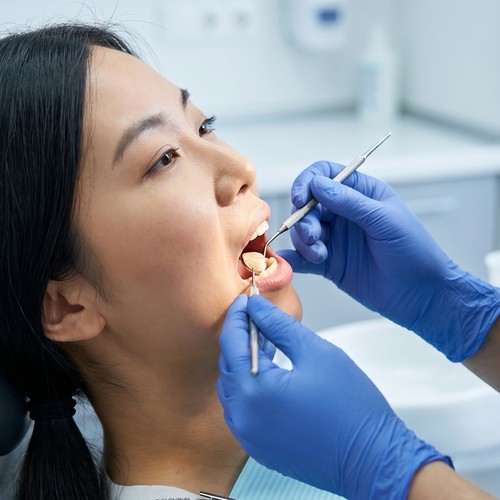
Filling, Inlay, or Crown: Which Restoration Actually Protects Your Tooth?
Is an inlay better than a filling? Learn if a large filling is better than a dental crown for long-term protection. Visit Cypress Family Dental to find out!
Read More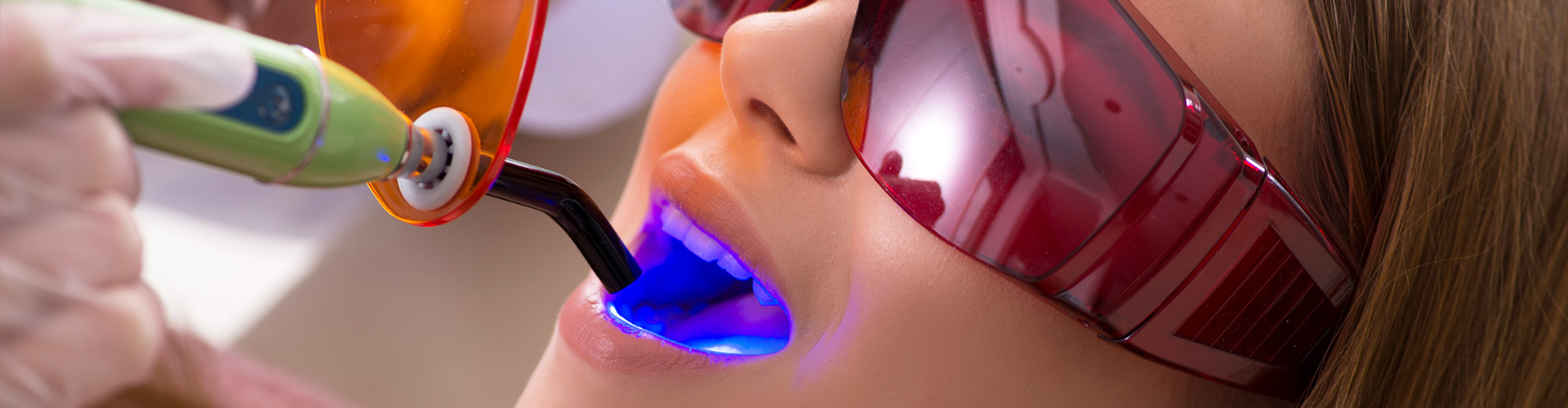
When it comes to dental health, choosing the right filling material is crucial not only for treating cavities but also for ensuring long-term oral health and maintaining the natural beauty of your smile. With advancements in dental technology, patients today have a variety of filling materials to choose from, each offering unique benefits. In this blog, we'll explore the safest and most durable options available for dental fillings, delve into the longevity of different types of fillings, and compare the aesthetic and health benefits of white versus silver fillings. Whether you're scheduling your first filling or considering replacing an old one, understanding these options will help you make the best choice for your dental health.
When it comes to dental fillings, safety is just as crucial as durability. The safest tooth filling material not only addresses decay but also maintains your overall health and wellness. Today, composite resins and porcelain stand out as the leading choices due to their biocompatibility and effectiveness.
Composite Resins
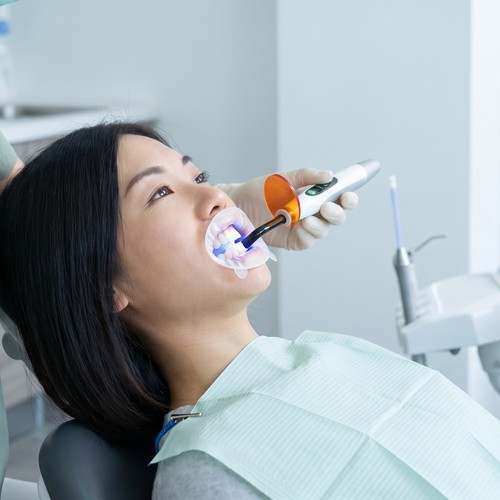
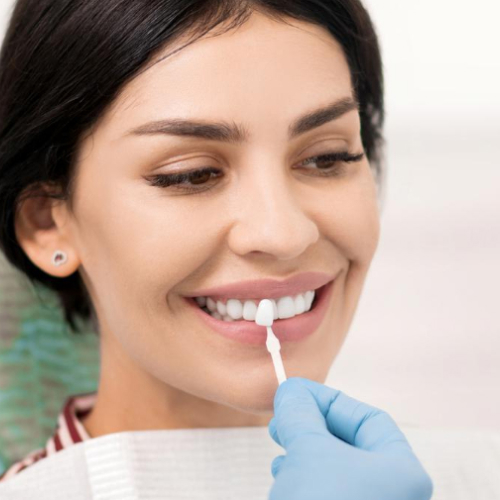
Composite resins are favored for their ability to blend seamlessly with the natural color of your teeth. Made from a mixture of plastic and fine glass particles, they bond directly to the tooth structure, providing a strong, stable filling that supports the remaining tooth to prevent breakage. Most importantly, composites are free from mercury, which is a concern for many patients considering dental fillings. Their versatility makes them suitable for repairing not only cavities but also chipped or broken teeth, thereby preserving more of the natural tooth structure than other fillings. The technique-sensitive placement of composite fillings also contributes to their popularity, allowing dentists to layer the substance, which hardens under special lighting, to create a more durable bond.
Porcelain
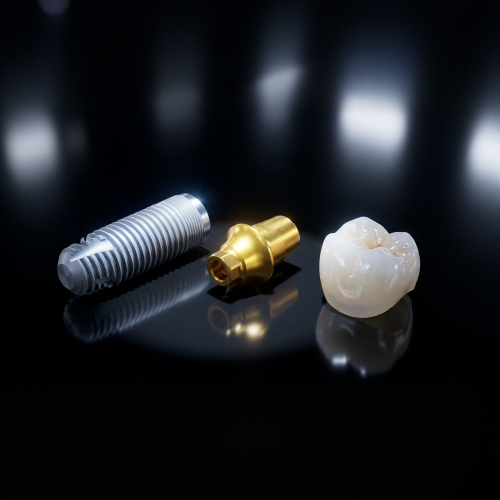
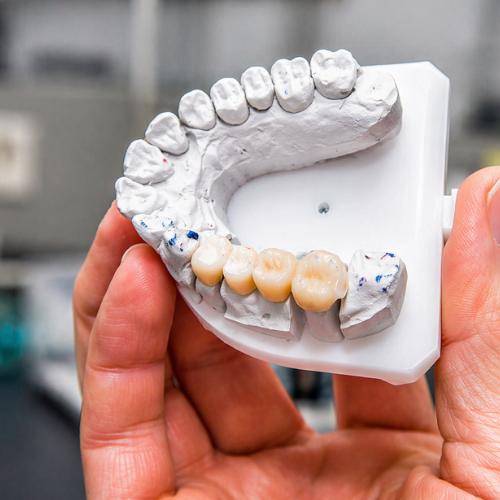
Another safe and aesthetically pleasing option is porcelain. This material is highly regarded for its durability and resistance to staining compared to other fillings. Porcelain fillings, often referred to as inlays or onlays, are custom-made in labs and then bonded to the teeth, offering a solution that is both durable and visually appealing. They mimic the natural translucency of tooth enamel, making them an excellent choice for patients concerned with achieving a natural-looking smile. Additionally, porcelain's compatibility with the body means that it does not cause allergic reactions and has very minimal sensitivity to temperature changes in foods and beverages.
Both of these materials are excellent choices for patients looking for safe, reliable dental fillings that also meet their cosmetic needs. By opting for either composite resins or porcelain, you can ensure that your fillings not only look natural but also contribute positively to your overall dental health without compromising safety.
Durability is a key factor when selecting a dental filling, as you want a solution that will protect your teeth over the long term without frequent replacements. Among the various types of dental fillings, gold and porcelain fillings stand out for their longevity, offering both strength and resilience that surpass other materials.
Gold Fillings
Gold fillings are often cited as the benchmark for durability. Although not as common today due to their high cost and aesthetic differences from natural tooth color, gold fillings can last up to 15-30 years due to their resistance to corrosion and exceptional strength. Gold is also gentle on opposing teeth during chewing, minimizing wear compared to harder materials. Its non-reactive nature makes it an excellent choice for patients looking for a long-lasting solution without the risk of allergic reactions or chemical degradation over time.
Porcelain Fillings
As mentioned earlier, porcelain fillings are not only safe but also extremely durable. They are resistant to wear and can last up to 15 years or more, depending on the patient's dental hygiene practices and mouth conditions. Porcelain's ability to resist staining and mimic the natural appearance of tooth enamel also makes it a preferred choice for visible areas of the mouth. These fillings are crafted in a dental lab and then precisely fitted and bonded to the tooth, which enhances their longevity and stability.
Composite Resins
While composite resins are less durable than gold or porcelain, lasting about 5 to 10 years, they offer a good balance between cost, aesthetics, and resilience, making them a popular choice among patients. Composite fillings are particularly versatile, suitable for small to mid-sized restorations that need to withstand moderate pressure from the constant stress of chewing. They bond directly to the tooth structure, which helps to support the remaining tooth material and prevent fractures.
Silver Amalgam Fillings
It's also worth noting that silver amalgam fillings, while less popular due to aesthetic and health concerns, are known for their durability, often lasting 10 to 15 years or more. These fillings are less expensive than gold and porcelain and are particularly resistant to wear, making them a viable option for back teeth where chewing pressure is greatest and less visibility is required.
Each type of filling material offers unique benefits in terms of durability, cost, and aesthetics. When choosing the most appropriate type of dental filling, it is crucial to consider these factors in conjunction with your dental health needs and the recommendations of your dentist.
Choosing between white and silver fillings often comes down to aesthetics and the specific needs of your dental health.
White Fillings
White fillings, primarily made from composite resin, are favored for their ability to match the natural color of your teeth. They provide a more natural appearance, making them an ideal choice for fillings in visible areas. Additionally, they bond directly to the tooth structure, which helps to reinforce the tooth's integrity.
Silver Fillings
Silver fillings, also known as amalgam fillings, are a traditional option that has been used for over a century. They are made from a mixture of metals, including silver, mercury, tin, and copper. Amalgam fillings are incredibly durable and cost-effective. However, due to aesthetic and health concerns regarding mercury content, their usage has declined in favor of safer, more visually appealing options.
Ultimately, white fillings are generally considered better than silver in terms of aesthetics and mercury-free composition, making them a preferable choice for most patients.
Ensuring the health of your teeth with the right filling material is crucial for maintaining overall oral health and a beautiful smile. At our dental office, we prioritize your safety and satisfaction by offering the latest and most health-conscious filling options. Schedule your appointment today to discuss which filling material is best suited for your needs and let us help you achieve the perfect smile. Call us or visit our website to find out more about our services and how we can assist you in your dental care journey.
Fresh news from the dental world


Mon - Fri 8AM - 5PM
Sat & Sun Closed
Check out what our patients are saying in Cypress...
..png)

“They're All Top Notch”
I'm so happy to have found this awesome dentist with an awesome staff. I am completely confident in the doctor's skill level, and completely comfortable relying on him to work on me without allowing me to experience unnecessary pain. In addition to having a good relationship with the dentist, being able to relate with the office staff is equally important to me. From the hygienist to the dental assistants to the front desk, they're all top notch.

“They Are So Efficient”
This is the best dentist I have been to and I have been to several. The team is professional and welcoming. They are never over-booked and I have never waited more than 5 minutes in the lobby. They are so efficient, no matter what I go in for, I am out in 45 minutes or less. I highly recommend Cypress Family Dental.

“The Staff Did A Great Job”
Came to Cypress Family Dental a year ago for my sleep apnea device. No more snoring! The staff did a great job fitting me for this oral appliance. Better yet, they were there to support me when I needed some adjustments later on. The front office staff couldn't have been more accommodating to schedule me in. Easy to recommend.

“A Very Pleasant Experience”
My visit to the Cypress Family Dental office today was a very pleasant experience. The front desk staff greeted me upon entering the office and efficiently confirmed my scheduled appointment. I'm seen within a short time by professional, knowledgeable and comfortable staff. They're open to various types of insurance and are flexible on terms. Overall, I would definitely recommend Cypress Family Dental.

“They Truly Care”
The dentist and his staff are wonderful people! In the past, I have had horrible experiences at other dentist offices and then I found this place and I don't think I would ever go anywhere else again. I live about 45 min away from their office but the drive is well worth it. They truly care about their patients. I would recommend this office to anyone.
..png)
“The Doctors Are Just Stellar”
The sweetest people work here, I'm convinced! The ladies at the front desk always go out of their way to be kind and helpful, the hygienists listen to your concerns and will address them to their best ability, and the doctors are just stellar. I drive over 40 min from where I live to go here because it's rare to find a dental office this fantastic.
“They're All Top Notch”
I'm so happy to have found this awesome dentist with an awesome staff. I am completely confident in the doctor's skill level, and completely comfortable relying on him to work on me without allowing me to experience unnecessary pain. In addition to having a good relationship with the dentist, being able to relate with the office staff is equally important to me. From the hygienist to the dental assistants to the front desk, they're all top notch.
“They Are So Efficient”
This is the best dentist I have been to and I have been to several. The team is professional and welcoming. They are never over-booked and I have never waited more than 5 minutes in the lobby. They are so efficient, no matter what I go in for, I am out in 45 minutes or less. I highly recommend Cypress Family Dental.
Check out our accreditations, sources, and relationships in the wide world of dentistry...


Check us out and follow our Cypress dental practice on social media...


