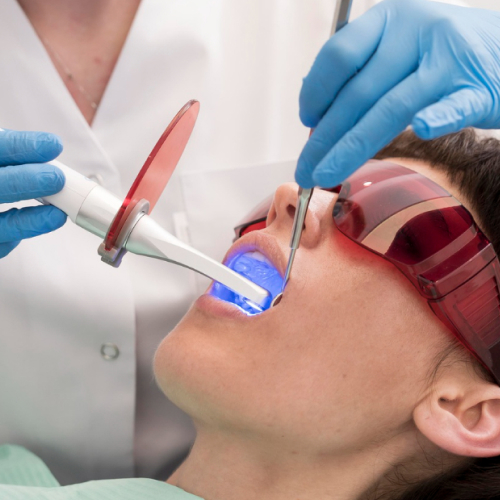
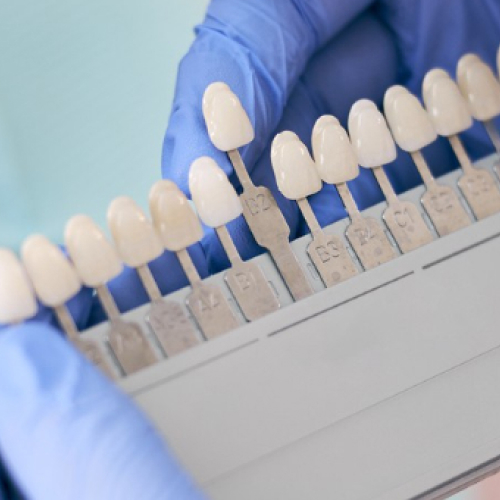
Teeth Whitening vs. Veneers vs. Bonding: Which Smile Upgrade Is Right for You?
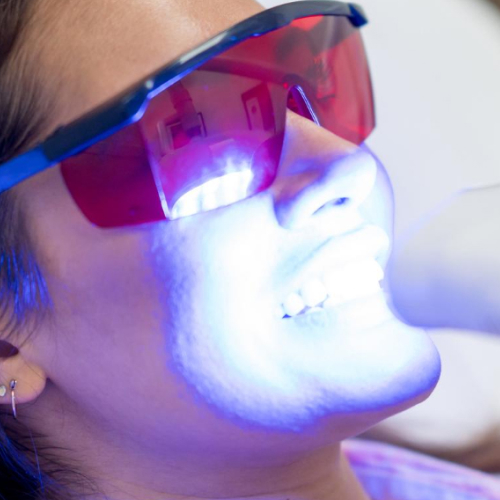
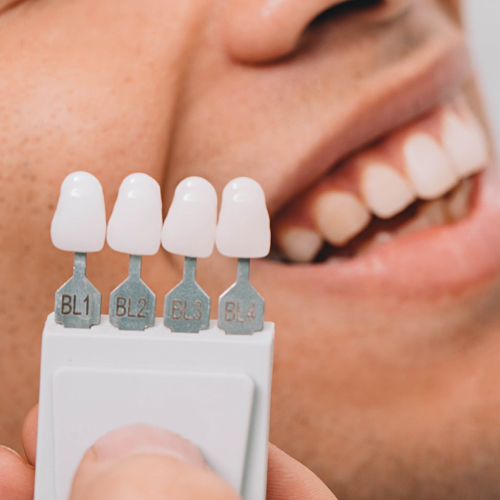
Want a brighter smile? Compare teeth whitening, veneers, and bonding to find your perfect fit. Contact Cypress Family Dental today to book your consultation!
Read More
A well-done root canal can last decades, but the tooth itself changes physically over time in ways most patients don't expect. Silent failures, brittle dentin, and aging cement seals are the real threats — not the root canal procedure itself.
Most people assume a root canal fails because new bacteria sneak back in. That's one way it happens. For Cypress-area patients, there's a more common mechanical threat that almost nobody talks about: the tooth becomes physically brittle as the years pass.
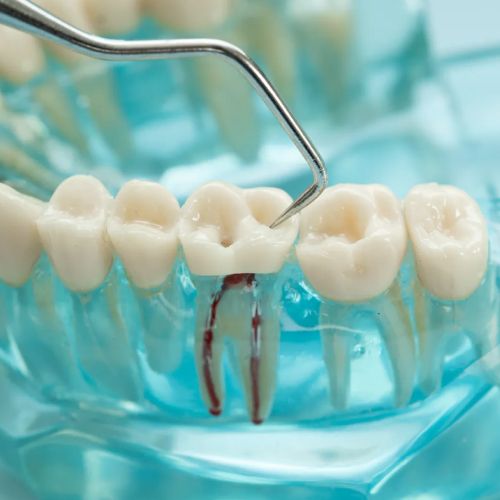
When I remove infected pulp, I'm also removing the tooth's blood supply. That network of vessels kept dentin hydrated and resilient. Without it, dentin slowly dehydrates — a process that accelerates between years 5 and 15 post-treatment. The result is a tooth that behaves less like living bone and more like dried wood.
This is why Vertical Root Fractures (VRF) are a leading cause of tooth loss in older root canal cases. A fracture isn't a sign the original procedure failed. It's a sign the tooth outlived its structural resilience. Clinically, I watch for two mechanical warning signs that differ from infection symptoms:
Neither of these is an infection signal. Both point to structural compromise. This is exactly why a protective tooth crown, placed promptly after treatment, matters so much. According to the American Association of Endodontists, saving your natural tooth with root canal treatment preserves normal biting force and sensation — but only when the tooth is properly restored afterward.
Research backs this up. A large retrospective study published on PMC found that teeth receiving a crown after root canal treatment had a median survival time 5.3 years longer than those without one.
Here's something I explain to every patient with an older root canal: a treated tooth has no nerve. That means it cannot produce a toothache. If an infection quietly develops at the root tip, you may feel absolutely nothing — for years.
This is called an asymptomatic failure, and it's more common than most patients realize. The periodontal ligament surrounding the root can still register pressure, but it won't produce the sharp pain that sends people to the dentist. Meanwhile, bacterial activity can erode surrounding jawbone without a single warning symptom.
The non-pain symptoms I ask patients to watch for include:
None of these feel like an emergency. All of them require immediate evaluation. Mayo Clinic notes that untreated infections can spread to surrounding bone — a serious outcome that's entirely preventable with routine X-rays.
My recommendation: if your root canal is approaching or past the 10-year mark, request a periapical X-ray at your next cleaning and exam even if you feel nothing. This is non-negotiable for me clinically.
Patients often think of their root canal and crown as one permanent unit. They're not. The root canal seals the canals; the crown protects the tooth structure. What holds the crown to the tooth is dental cement — and that cement has a lifespan.
Most dental cements begin showing microleakage somewhere around the 8-to-12-year mark. This "washout" creates microscopic gaps at the crown margin. Bacteria exploit those gaps, travel down to the root filling, and reinfect a canal that was perfectly treated years ago.
The investment didn't fail. The seal did.
I call this the "10-Year Seal Check." When patients come in with a crown placed roughly a decade ago, I specifically use an explorer instrument to check crown margins for softness, gaps, or cement washout. Catching this early can prevent a full retreatment.
Cleveland Clinic explains that most root canals are successful and can last a lifetime — the key qualifier being proper maintenance and restoration quality. Signs of gum disease or gingivitis around a treated tooth can also compromise the seal and accelerate failure, making regular monitoring essential.
Realistically, a root canal followed by a quality crown, routine checkups, and good home care can last 15–25 years — and often longer. Healthline reports that root canals are performed over 15 million times annually in the U.S., and outcomes are generally strong when the procedure and restoration meet clinical standards.
Factors that shorten longevity in my experience:
When a root canal does fail, retreatment is often possible. The American Association of Endodontists notes that with proper care, even retreated teeth can last a lifetime. In cases where the tooth cannot be saved, a tooth extraction may be necessary, after which dental implants are often the preferred long-term replacement option.
The honest answer to "how long does a root canal last?" is this: the procedure itself is durable. What degrades around it — cement, dentin hydration, crown margins — is what requires your attention over the years.
If you have a root canal that's approaching the decade mark, or if you've noticed any of the silent symptoms described above, I encourage you to schedule an evaluation. At Cypress Family Dental, our Cypress, California team provides comprehensive endodontic root canal evaluations including periapical X-rays and crown margin assessments. We serve patients throughout North Orange County, including La Palma, and offer care in Persian, Russian, and Spanish.
This article is intended for informational purposes only and does not constitute professional dental advice, diagnosis, or treatment. Always consult a licensed dental provider regarding your specific oral health needs.
Fresh news from the dental world



Mon - Fri 8AM - 5PM
Sat & Sun Closed
Check out what our patients are saying in Cypress...
..png)

“They're All Top Notch”
I'm so happy to have found this awesome dentist with an awesome staff. I am completely confident in the doctor's skill level, and completely comfortable relying on him to work on me without allowing me to experience unnecessary pain. In addition to having a good relationship with the dentist, being able to relate with the office staff is equally important to me. From the hygienist to the dental assistants to the front desk, they're all top notch.

“They Are So Efficient”
This is the best dentist I have been to and I have been to several. The team is professional and welcoming. They are never over-booked and I have never waited more than 5 minutes in the lobby. They are so efficient, no matter what I go in for, I am out in 45 minutes or less. I highly recommend Cypress Family Dental.

“A Very Pleasant Experience”
My visit to the Cypress Family Dental office today was a very pleasant experience. The front desk staff greeted me upon entering the office and efficiently confirmed my scheduled appointment. I'm seen within a short time by professional, knowledgeable and comfortable staff. They're open to various types of insurance and are flexible on terms. Overall, I would definitely recommend Cypress Family Dental.

“The Staff Did A Great Job”
Came to Cypress Family Dental a year ago for my sleep apnea device. No more snoring! The staff did a great job fitting me for this oral appliance. Better yet, they were there to support me when I needed some adjustments later on. The front office staff couldn't have been more accommodating to schedule me in. Easy to recommend.

“They Truly Care”
The dentist and his staff are wonderful people! In the past, I have had horrible experiences at other dentist offices and then I found this place and I don't think I would ever go anywhere else again. I live about 45 min away from their office but the drive is well worth it. They truly care about their patients. I would recommend this office to anyone.
..png)
“The Doctors Are Just Stellar”
The sweetest people work here, I'm convinced! The ladies at the front desk always go out of their way to be kind and helpful, the hygienists listen to your concerns and will address them to their best ability, and the doctors are just stellar. I drive over 40 min from where I live to go here because it's rare to find a dental office this fantastic.
“They're All Top Notch”
I'm so happy to have found this awesome dentist with an awesome staff. I am completely confident in the doctor's skill level, and completely comfortable relying on him to work on me without allowing me to experience unnecessary pain. In addition to having a good relationship with the dentist, being able to relate with the office staff is equally important to me. From the hygienist to the dental assistants to the front desk, they're all top notch.
“They Are So Efficient”
This is the best dentist I have been to and I have been to several. The team is professional and welcoming. They are never over-booked and I have never waited more than 5 minutes in the lobby. They are so efficient, no matter what I go in for, I am out in 45 minutes or less. I highly recommend Cypress Family Dental.
Check out our accreditations, sources, and relationships in the wide world of dentistry...


Check us out and follow our Cypress dental practice on social media...


