Filling, Inlay, or Crown: Which Restoration Actually Protects Your Tooth?
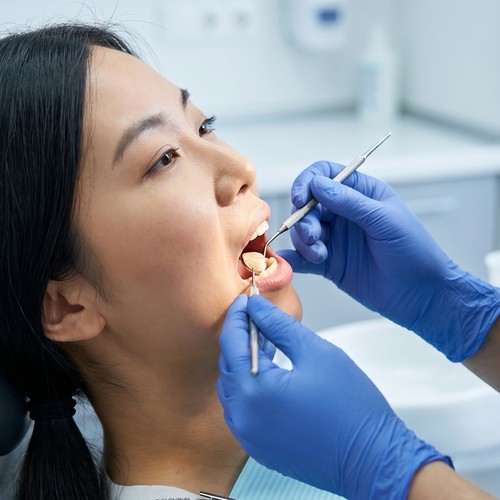
Is an inlay better than a filling? Learn if a large filling is better than a dental crown for long-term protection. Visit Cypress Family Dental to find out!
Read More
Let’s be honest—no one really looks forward to a tooth extraction. Even when it’s the best option for your dental health, hearing the words “we’ll need to remove the tooth” can be enough to make anyone a little uneasy. But here’s something we like to reassure our patients at Cypress Family Dental: healing doesn’t have to be painful, confusing, or mysterious.
In fact, your recovery period is the perfect time to slow down, give your body a chance to do what it does best—heal—and let us help you every step of the way. So whether you just had a tooth pulled or are gearing up for an extraction soon, we’re breaking down what healing actually feels like, what to expect, and when to give us a ring if something doesn’t feel right.
Let’s take the fear and guesswork out of the healing process.
There’s no one-size-fits-all answer here—but we can give you a general idea. Most patients will feel noticeably better in 3–5 days, but full healing of the socket (the hole left behind) can take a few weeks.
Here’s a rough timeline of what happens post-extraction:
24 hours: A blood clot forms to protect the site. This is critical—it's your body's natural “bandage.”
2–3 days: Swelling and discomfort start to go down.
1 week: The gum tissue begins to close over the socket.
2 weeks: Most of the tenderness should be gone.
3–4 weeks: The socket is largely healed.
3–6 months: For some people (especially after surgical extractions or if you’re getting an implant later), the bone underneath may take months to fully regenerate.
But remember—healing isn’t a race. If you smoke, have diabetes, or certain medications, your healing process might take a bit longer. That’s totally okay. The important thing is to protect the clot, keep the area clean, and listen to your body.
One more thing—if you're ever unsure whether what you're feeling is normal, don't second-guess it. That’s what we’re here for.
Ah, the million-dollar question. We get it—a growling stomach and a healing socket don’t always get along. But here’s the good news: with a little creativity, you can still enjoy food while keeping your extraction site safe.
The first 24 hours: This is the most important window to avoid disturbing the clot. Stick to soft, cool or room-temperature foods like:
Smoothies (spoon, not straw!)
Applesauce
Mashed potatoes
Yogurt
Pudding
Blended soups
Pro tip: Avoid anything crunchy, spicy, or hot during this time. No chips, no crusty bread, and definitely no smoking or drinking through a straw—suction can dislodge your clot and lead to dry socket (trust us, that’s not fun).
After the first day or two: As your mouth starts to feel less tender, you can ease into:
Scrambled eggs
Oatmeal
Soft fish or well-cooked pasta
Cottage cheese
Steamed veggies
Chew on the opposite side of your mouth, and go slow. You’re not just eating—you’re healing.
Some soreness and swelling after an extraction? Totally normal. But there’s a line between “this is part of healing” and “something’s not right.” Here’s how to tell the difference.
Reach out to us right away if you notice:
Severe pain that starts 2–4 days after your extraction (could be a dry socket)
Persistent bleeding that doesn’t slow down after a few hours
Foul odor or taste coming from the site
Fever or chills
Swelling that worsens after 3 days instead of getting better
We always say it’s better to be safe than sorry. If something feels off, even if it’s not on this list, give us a call. You’re not “bothering” us—we want to know how you’re doing.
Sometimes it’s the little things that make all the difference. Here are a few bonus tips we share with our patients to help them heal with less stress:
Use extra pillows at night to keep your head elevated. This helps reduce swelling and can even make it easier to sleep without accidentally rolling onto the sore side of your face.
Rinse gently with warm salt water after the first 24 hours to keep the area clean. Do this a few times a day—especially after meals—but skip the mouthwash for now. Most store-bought mouthwashes contain alcohol, which can irritate the area.
Take pain meds as directed. Even if you feel okay, staying ahead of the pain is easier than chasing it once it kicks in. And if you’ve been prescribed antibiotics, don’t stop taking them early, even if you feel better.
Don’t skip meals. Your body needs energy to heal, and a soft-food diet can still be nourishing. Try adding in smoothies with protein powder, soft-boiled eggs, or nutrient-rich soups. Healing well means eating well—even if your menu looks a little different this week.
Listen to your body. If you’re exhausted, take it easy. Healing is hard work, even if you’re lying on the couch. Give yourself permission to rest, and don’t rush back into your normal routine too soon.
Avoid touching the area. It can be tempting to poke around with your tongue to "check" on your healing, but this can delay recovery. Let your body do its thing without interruption.
And remember, every recovery is different. Some people bounce back in two days. Others take a week or two to feel normal again. No two mouths are the same—and that's perfectly normal. If anything feels off, we’re just a phone call away.
At Cypress Family Dental, we know extractions can feel overwhelming—but you’re never in it alone. We take the time to explain your healing process, check in when you need us, and make sure your recovery is smooth, comfortable, and maybe even a little better than expected.
If you’ve recently had an extraction or are preparing for one and have questions, we’d love to help. Schedule an appointment with us today so we can take care of your smile—before, during, and after.
Fresh news from the dental world


Mon - Fri 8AM - 5PM
Sat & Sun Closed
Check out what our patients are saying in Cypress...
..png)

“They're All Top Notch”
I'm so happy to have found this awesome dentist with an awesome staff. I am completely confident in the doctor's skill level, and completely comfortable relying on him to work on me without allowing me to experience unnecessary pain. In addition to having a good relationship with the dentist, being able to relate with the office staff is equally important to me. From the hygienist to the dental assistants to the front desk, they're all top notch.

“They Are So Efficient”
This is the best dentist I have been to and I have been to several. The team is professional and welcoming. They are never over-booked and I have never waited more than 5 minutes in the lobby. They are so efficient, no matter what I go in for, I am out in 45 minutes or less. I highly recommend Cypress Family Dental.

“The Staff Did A Great Job”
Came to Cypress Family Dental a year ago for my sleep apnea device. No more snoring! The staff did a great job fitting me for this oral appliance. Better yet, they were there to support me when I needed some adjustments later on. The front office staff couldn't have been more accommodating to schedule me in. Easy to recommend.

“A Very Pleasant Experience”
My visit to the Cypress Family Dental office today was a very pleasant experience. The front desk staff greeted me upon entering the office and efficiently confirmed my scheduled appointment. I'm seen within a short time by professional, knowledgeable and comfortable staff. They're open to various types of insurance and are flexible on terms. Overall, I would definitely recommend Cypress Family Dental.

“They Truly Care”
The dentist and his staff are wonderful people! In the past, I have had horrible experiences at other dentist offices and then I found this place and I don't think I would ever go anywhere else again. I live about 45 min away from their office but the drive is well worth it. They truly care about their patients. I would recommend this office to anyone.
..png)
“The Doctors Are Just Stellar”
The sweetest people work here, I'm convinced! The ladies at the front desk always go out of their way to be kind and helpful, the hygienists listen to your concerns and will address them to their best ability, and the doctors are just stellar. I drive over 40 min from where I live to go here because it's rare to find a dental office this fantastic.
“They're All Top Notch”
I'm so happy to have found this awesome dentist with an awesome staff. I am completely confident in the doctor's skill level, and completely comfortable relying on him to work on me without allowing me to experience unnecessary pain. In addition to having a good relationship with the dentist, being able to relate with the office staff is equally important to me. From the hygienist to the dental assistants to the front desk, they're all top notch.
“They Are So Efficient”
This is the best dentist I have been to and I have been to several. The team is professional and welcoming. They are never over-booked and I have never waited more than 5 minutes in the lobby. They are so efficient, no matter what I go in for, I am out in 45 minutes or less. I highly recommend Cypress Family Dental.
Check out our accreditations, sources, and relationships in the wide world of dentistry...


Check us out and follow our Cypress dental practice on social media...


