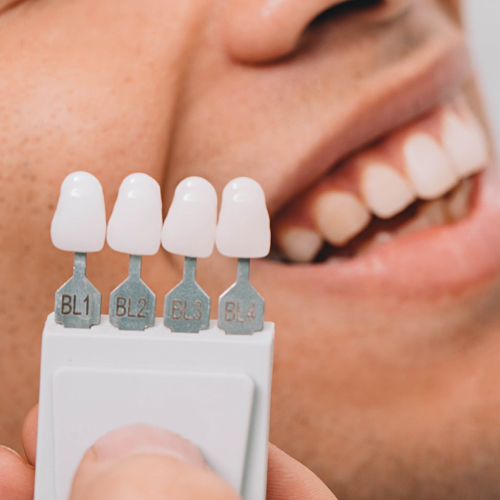
Veneers vs. Crowns vs. Dentures: Which Restoration Is Actually Right for You?
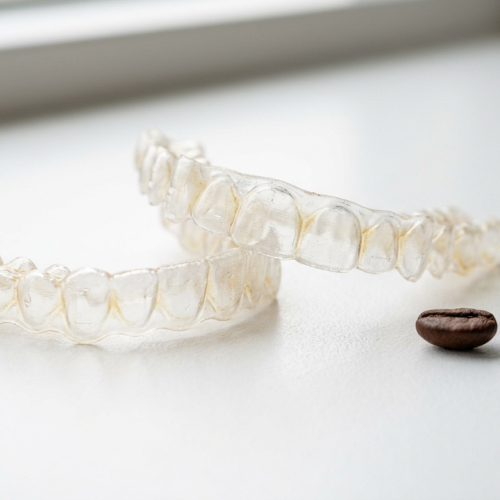
Is it better to get veneers or crowns? What about dentures? Compare dental restorations and find the best fit for your smile at Cypress Family Dental.
Read More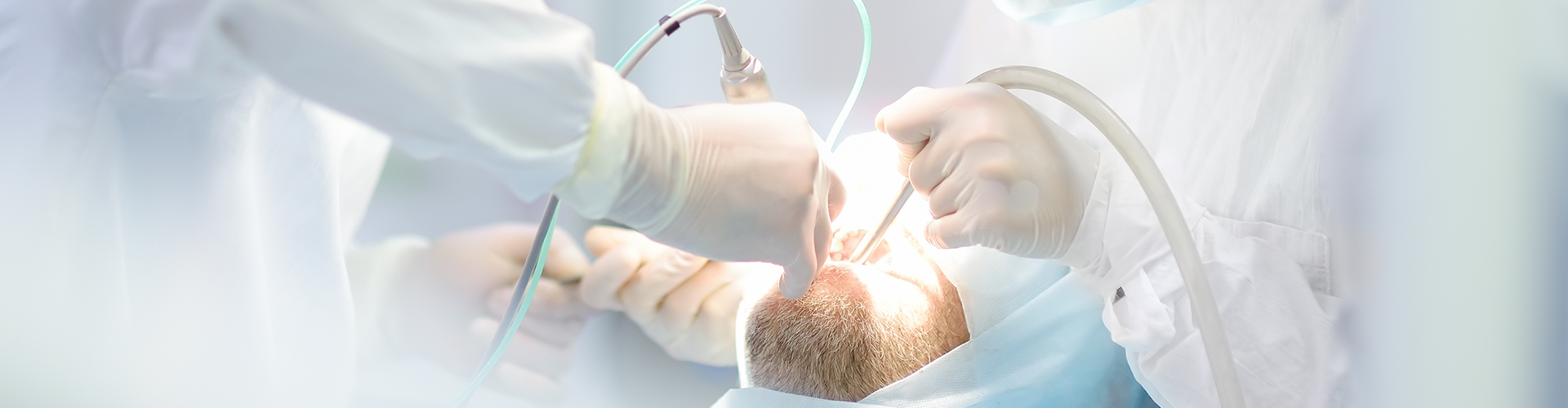
If the thought of sitting in a dentist's chair makes your heart race, you're not alone. Many individuals experience some level of oral anxiety, ranging from mild nervousness to a profound fear that prevents them from seeking necessary dental care. This blog post is designed to address your concerns, offering insights and solutions to help you overcome your dental fears.
We'll delve into understanding what oral anxiety truly is, the various methods of sedation dentistry available to ease your discomfort, and practical tips to help you stay calm during dental procedures. Our goal is not only to inform but also to empower you with the knowledge and tools needed to transform your dental visits from a source of stress to an experience of care and comfort.
So, whether you're looking for ways to manage your dental anxiety or curious about sedation options, you're in the right place. Let's embark on this journey together towards a more comfortable and anxiety-free dental experience.
Dental anxiety, commonly referred to as oral anxiety, is a prevalent concern affecting numerous individuals. This type of anxiety can stem from various sources, such as past traumatic experiences, fear of pain, or the sounds and smells associated with dental clinics. It's not just about discomfort; oral anxiety can lead to the avoidance of dental care, which, in turn, may result in serious oral health issues.
Understanding oral anxiety is the first step in addressing it. This condition ranges from mild nervousness to severe dental phobia, impacting patients' willingness to seek necessary dental care. Common symptoms include increased heart rate, sweating, and even panic attacks at the thought of a dental visit.
The Psychological Impact of Dental Anxiety
Oral anxiety doesn't just affect oral health; it has a significant psychological impact as well. The fear can lead to a vicious cycle where the avoidance of dental visits results in deteriorating oral health, further increasing anxiety about potential dental treatments.
Overcoming oral anxiety involves both psychological strategies and practical tips to stay calm during dental procedures.
Cognitive Behavioral Therapy (CBT): This is a form of therapy that helps patients reframe their thoughts about dental care, reducing anxiety.
Relaxation Techniques: Practices like deep breathing, meditation, or guided imagery can help calm the mind before and during dental visits.
Positive Reinforcement: Rewarding yourself after a successful dental visit can create positive associations with dental care.
Open Communication: Talk to your dentist about your fears. A good dental practitioner will be understanding and can adjust the treatment to accommodate your anxiety.
Bring Distractions: Listening to music, audiobooks, or using a stress ball during the procedure can help divert your focus.
Choose the Right Appointment Time: Scheduling your appointment at a time when you're less likely to feel rushed or stressed can make a significant difference.
Incorporating Sedation Dentistry: For those with severe anxiety, discussing sedation options with your dentist is crucial. Whether it's a mild oral sedative or another form, it can make your dental experience much more manageable.
Sedation dentistry offers a solution for those struggling with oral anxiety. It involves the use of medication to help patients relax during dental procedures. The type of sedation used can vary based on the severity of the anxiety and the specific dental procedure.
Types of Sedation Used in Dentistry
Oral Sedatives: Typically in pill form, these are taken about an hour before the dental procedure. They help patients relax but keep them awake and responsive. Common oral sedatives include Diazepam, Lorazepam, and Triazolam.
Nitrous Oxide: Also known as "laughing gas," this is inhaled through a mask. It helps patients relax and wears off quickly after the mask is removed.
IV Sedation: Administered intravenously, this type of sedation is used for more severe cases of anxiety or for longer procedures. It allows dentists to adjust the level of sedation as needed.
General Anesthesia: Used in extreme cases of dental anxiety or for very complex procedures, general anesthesia renders the patient completely unconscious.
How Sedation Dentistry Can Help
Sedation dentistry not only eases anxiety during the procedure but also helps with pain management. It's important to discuss with your dentist to understand which type of sedation is most appropriate for your needs.
Oral anxiety, a common challenge faced by many, doesn't have to be a lifelong barrier to achieving and maintaining good oral health. With the right understanding, open communication, and effective strategies in place, including the options provided by sedation dentistry, you have the power to transform your dental visits from a source of dread into positive, fear-free experiences.
It's essential to recognize that overcoming dental anxiety is a journey, not a one-time event. This journey involves building trust with your dental care providers, educating yourself about the processes and benefits of various treatments, and learning to manage your anxiety through proven techniques. Remember, every step you take towards managing your dental fears is a step towards enhancing your overall well-being.
Moreover, embracing a proactive approach towards dental care can have far-reaching benefits. Not only does it improve your oral health, but it also boosts your confidence and reduces the likelihood of more invasive procedures in the future. The peace of mind that comes with knowing you are taking care of your teeth can be immensely gratifying.
We understand that each individual's experience with dental anxiety is unique, and we are committed to providing personalized care and support. Whether it's discussing sedation options, offering reassurance, or simply listening to your concerns, our clinic is dedicated to ensuring your comfort and peace of mind.
Remember, taking care of your oral health is a crucial part of your overall well-being. We encourage you to take this vital step towards a healthier, happier you. If you have any questions or would like to schedule a consultation, please don't hesitate to reach out. Our team is here to guide you through every step of your dental journey, ensuring that each visit to our clinic is a positive, empowering experience.
Fresh news from the dental world


Mon - Fri 8AM - 5PM
Sat & Sun Closed
Check out what our patients are saying in Cypress...
..png)

“The Doctors Are Just Stellar”
The sweetest people work here, I'm convinced! The ladies at the front desk always go out of their way to be kind and helpful, the hygienists listen to your concerns and will address them to their best ability, and the doctors are just stellar. I drive over 40 min from where I live to go here because it's rare to find a dental office this fantastic.

“They Are So Efficient”
This is the best dentist I have been to and I have been to several. The team is professional and welcoming. They are never over-booked and I have never waited more than 5 minutes in the lobby. They are so efficient, no matter what I go in for, I am out in 45 minutes or less. I highly recommend Cypress Family Dental.

“A Very Pleasant Experience”
My visit to the Cypress Family Dental office today was a very pleasant experience. The front desk staff greeted me upon entering the office and efficiently confirmed my scheduled appointment. I'm seen within a short time by professional, knowledgeable and comfortable staff. They're open to various types of insurance and are flexible on terms. Overall, I would definitely recommend Cypress Family Dental.

“They Truly Care”
The dentist and his staff are wonderful people! In the past, I have had horrible experiences at other dentist offices and then I found this place and I don't think I would ever go anywhere else again. I live about 45 min away from their office but the drive is well worth it. They truly care about their patients. I would recommend this office to anyone.

“The Staff Did A Great Job”
Came to Cypress Family Dental a year ago for my sleep apnea device. No more snoring! The staff did a great job fitting me for this oral appliance. Better yet, they were there to support me when I needed some adjustments later on. The front office staff couldn't have been more accommodating to schedule me in. Easy to recommend.
..png)
“They're All Top Notch”
I'm so happy to have found this awesome dentist with an awesome staff. I am completely confident in the doctor's skill level, and completely comfortable relying on him to work on me without allowing me to experience unnecessary pain. In addition to having a good relationship with the dentist, being able to relate with the office staff is equally important to me. From the hygienist to the dental assistants to the front desk, they're all top notch.
“The Doctors Are Just Stellar”
The sweetest people work here, I'm convinced! The ladies at the front desk always go out of their way to be kind and helpful, the hygienists listen to your concerns and will address them to their best ability, and the doctors are just stellar. I drive over 40 min from where I live to go here because it's rare to find a dental office this fantastic.
“They Are So Efficient”
This is the best dentist I have been to and I have been to several. The team is professional and welcoming. They are never over-booked and I have never waited more than 5 minutes in the lobby. They are so efficient, no matter what I go in for, I am out in 45 minutes or less. I highly recommend Cypress Family Dental.
Check out our accreditations, sources, and relationships in the wide world of dentistry...


Check us out and follow our Cypress dental practice on social media...


