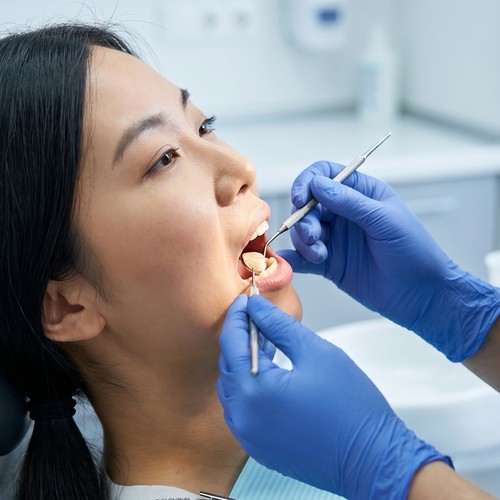
Filling, Inlay, or Crown: Which Restoration Actually Protects Your Tooth?
Is an inlay better than a filling? Learn if a large filling is better than a dental crown for long-term protection. Visit Cypress Family Dental to find out!
Read More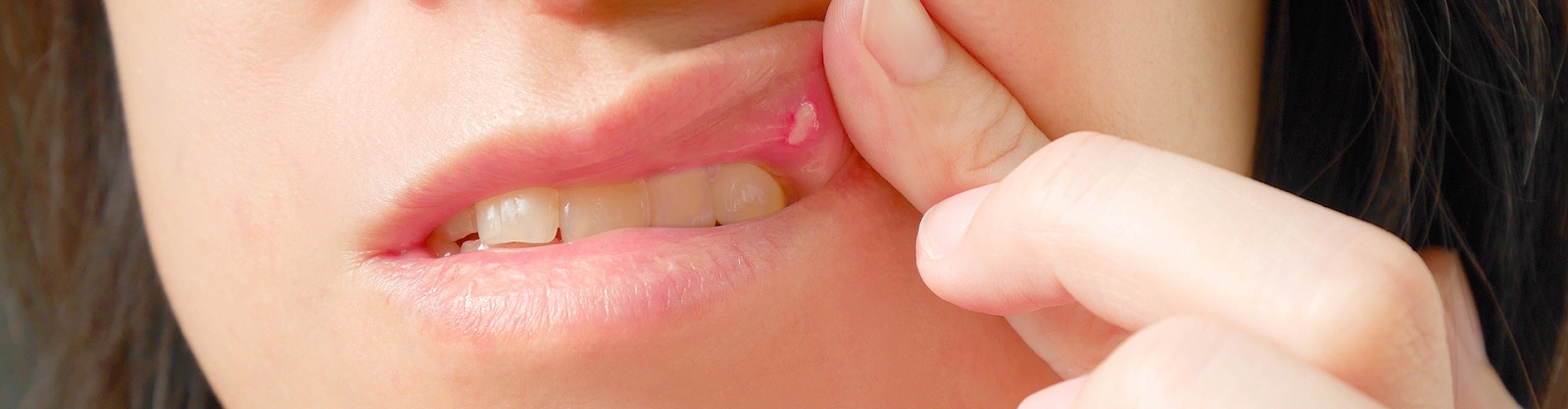
Ah, the infamous canker sore! A small menace that makes its presence felt in a big way. If you've ever had a canker sore, you'd know that its size is inverse to the trouble it can cause. While these pesky ulcers are quite common, there's a lot that most people don’t know about them. From their causes to remedies, and even how long they tend to stick around, we're delving deep into the world of canker sores. Whether you're currently dealing with one or are just curious about these bothersome blisters, read on to become a mini expert. And remember, our dental clinic is always here to help with your oral health concerns.
We've all been there – that annoying, painful little sore inside the mouth making everyday activities like speaking and eating a task. It's called a canker sore, and while many of us have experienced them, few know what actually causes them.
Canker sores, also known as aphthous ulcers, are small, shallow lesions that develop on the soft tissues in your mouth or at the base of your gums. Unlike cold sores, they don’t appear on the outside of your lips and aren’t contagious.
Potential Causes
Most people dread the emergence of a canker sore because it feels like they last forever. But do they? In reality, most canker sores will heal on their own within a week or two.
Stages of a Canker Sore
When to See a Doctor
While canker sores often heal by themselves, if you notice sores larger than a coin, spreading sores, or if they last for more than three weeks, it's time to consult with a dental professional.
The discomfort caused by canker sores makes everyone search for a quick fix. Though individual healing can vary, here are some tried and tested remedies.
Home Remedies
Rinse with Saltwater: A classic go-to, saltwater can act as a natural disinfectant. Mixing a teaspoon of salt in a cup of warm water and gently swishing it around your mouth can help alleviate pain and inflammation. It might sting a little initially, but it's a sign that it's working.
Over-the-Counter (OTC) Gels: The market is replete with gels and ointments designed specifically for oral discomfort. These products often contain numbing agents like benzocaine which can provide temporary relief. Make sure to follow the product's directions and consult with a dentist if you're unsure which product is right for you.
Avoid Spicy & Acidic Foods: As tempting as that spicy taco or orange juice might be, it's best to steer clear when you have a canker sore. Such foods can exacerbate the pain and prolong healing.
Apply a Baking Soda Paste: Baking soda isn't just for cakes and cleaning. Its alkaline properties can help neutralize the acidity in your mouth, creating a more conducive environment for healing. Make a paste with a bit of water and baking soda, and apply it gently to the sore. Rinse after a few minutes.
Honey Application: Known for its antibacterial properties, raw honey can be applied directly to the sore. It can reduce inflammation and potentially shorten healing time.
Professional Care
If the pain is unbearable or if you're concerned about the duration of the sore, it's always a good idea to visit a dental clinic. They can provide:
Prescription Mouth Rinses: Some mouthwashes are specifically designed to cater to canker sores. They contain a combination of steroids, antibiotics, and antihistamines which can significantly reduce pain and inflammation.
Oral Medications: Interestingly, some drugs that weren't initially created for canker sores can be beneficial. They're typically prescribed when sores are large, persistent, or if you have a history of frequent outbreaks.
Cautery: This might sound intense, but cauterizing or "burning" the sore can be a direct approach to nipping the problem in the bud. It’s a minor procedure that can often reduce healing time and provide instant relief.
Professional Cleaning: Over time, our mouths can accumulate bacteria and debris which might not always be removed by regular brushing or flossing. Professional cleaning at a dental clinic ensures that every nook and cranny of your oral space is thoroughly cleaned. This not only reduces the risk of infections but can also prevent conditions that might trigger canker sores. A cleaner mouth means a healthier oral environment, less conducive to the development of these pesky ulcers.
The mouth, often overlooked, is a gateway to our body and plays a central role in our holistic health. From tasting our favorite foods to flashing those pearly whites in photographs, a healthy mouth enhances many of life's beautiful moments.
Canker sores, on the other hand, represent those small yet pesky interruptions in our oral health journey. While they might seem insignificant at first, their sting serves as a constant reminder of their presence, turning simple pleasures into tasks of endurance. Moreover, while many of us might wave them off as mere nuisances, the persistence or intensity of these sores can sometimes signify underlying health issues or nutritional deficiencies.
Beyond the physical discomfort, let's not forget the psychological aspect. When we're in pain or uncomfortable, it affects our mood, our interactions, and our overall outlook on the day. Something as small as a canker sore can ripple out to influence various aspects of our daily lives.
So, what’s the takeaway? Don’t let the size of canker sores fool you into underestimating their impact. If you find yourself often reaching for that saltwater rinse or over-the-counter gel, it might be time to consider a more comprehensive approach.
Our dental clinic isn’t just about treating issues; it's about understanding them, getting to their root cause, and devising a plan tailored for you. If you're grappling with recurrent or unusually painful canker sores, don’t let them become your new normal. Schedule a consultation with us. With our expertise and commitment, together, we can chart a path towards relief and better oral health.
Fresh news from the dental world



Mon - Fri 8AM - 5PM
Sat & Sun Closed
Check out what our patients are saying in Cypress...
..png)

“They're All Top Notch”
I'm so happy to have found this awesome dentist with an awesome staff. I am completely confident in the doctor's skill level, and completely comfortable relying on him to work on me without allowing me to experience unnecessary pain. In addition to having a good relationship with the dentist, being able to relate with the office staff is equally important to me. From the hygienist to the dental assistants to the front desk, they're all top notch.

“They Are So Efficient”
This is the best dentist I have been to and I have been to several. The team is professional and welcoming. They are never over-booked and I have never waited more than 5 minutes in the lobby. They are so efficient, no matter what I go in for, I am out in 45 minutes or less. I highly recommend Cypress Family Dental.

“The Staff Did A Great Job”
Came to Cypress Family Dental a year ago for my sleep apnea device. No more snoring! The staff did a great job fitting me for this oral appliance. Better yet, they were there to support me when I needed some adjustments later on. The front office staff couldn't have been more accommodating to schedule me in. Easy to recommend.

“A Very Pleasant Experience”
My visit to the Cypress Family Dental office today was a very pleasant experience. The front desk staff greeted me upon entering the office and efficiently confirmed my scheduled appointment. I'm seen within a short time by professional, knowledgeable and comfortable staff. They're open to various types of insurance and are flexible on terms. Overall, I would definitely recommend Cypress Family Dental.

“They Truly Care”
The dentist and his staff are wonderful people! In the past, I have had horrible experiences at other dentist offices and then I found this place and I don't think I would ever go anywhere else again. I live about 45 min away from their office but the drive is well worth it. They truly care about their patients. I would recommend this office to anyone.
..png)
“The Doctors Are Just Stellar”
The sweetest people work here, I'm convinced! The ladies at the front desk always go out of their way to be kind and helpful, the hygienists listen to your concerns and will address them to their best ability, and the doctors are just stellar. I drive over 40 min from where I live to go here because it's rare to find a dental office this fantastic.
“They're All Top Notch”
I'm so happy to have found this awesome dentist with an awesome staff. I am completely confident in the doctor's skill level, and completely comfortable relying on him to work on me without allowing me to experience unnecessary pain. In addition to having a good relationship with the dentist, being able to relate with the office staff is equally important to me. From the hygienist to the dental assistants to the front desk, they're all top notch.
“They Are So Efficient”
This is the best dentist I have been to and I have been to several. The team is professional and welcoming. They are never over-booked and I have never waited more than 5 minutes in the lobby. They are so efficient, no matter what I go in for, I am out in 45 minutes or less. I highly recommend Cypress Family Dental.
Check out our accreditations, sources, and relationships in the wide world of dentistry...


Check us out and follow our Cypress dental practice on social media...


