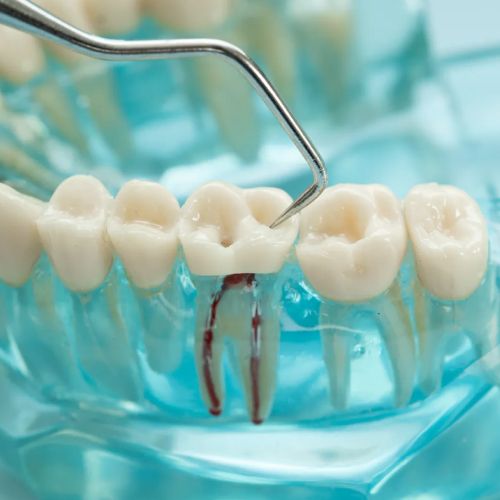
Root Canals and Pain: What Your Dentist Wants You to Know Before Your Appointment
Are you nervous about root canal pain? Learn why this dental procedure isn't as scary as you think and how we prioritize your comfort. Book your exam today!
Read More
Bleeding from the gums is the most common symptom of gingivitis. It may occur simultaneously or even with one small stimulus, such as brushing the teeth. There are various factors that contribute to bleeding gums, ranging from local factors such as plaque and calculus to more severe factors such as systemic diseases. Although bleeding gums are not inherently harmful, the underlying disease that causes bleeding gums may produce serious consequences. If left untreated, the condition can proceed to the underlying structure and cause periodontitis. Here is a list of some factors that cause bleeding gums.
-Gingivitis: Gingivitis, a dental health issue that develops when bacteria around the gum line is not adequately eliminated, is a significant reason for bleeding gums. In gingivitis, the gums become red and swollen, which easily bleeds on brushing and flossing. The bacteria attach to the plaque and calculus around the gum line. When this plaque is cleaned at the initial stage, it can prevent the accumulation of bacteria, and hence bleeding gums are not developed.
-Certain medications: Some drugs may increase gum hypersensitivity or gum bleeding. For instance, blood-thinning drugs can make it more likely for bleeding to occur, especially at the gingival margin, since they make it harder for the blood to clot. The chance of gum bleeding can also be increased by taking aspirin, contraceptive pills, NSAIDs, and some hypertension drugs. Any drugs you take should be discussed with your dentist, especially if your gums are bleeding consistently.
-Improper brushing: Another factor that can induce gum bleeding is a new toothbrush or improper brushing technique. If you are using a hard toothbrush or not properly using a toothbrush, this can cause bleeding gums.
-Poor diet: The gums can become irritated and even start to bleed slightly from some components in processed foods. Examples of such foods are starchy foods that can cause plaque formation and those that can get caught between the teeth and turn into sugar. Consuming these foods in excess may cause gum irritation, bleeding, and a rise in tooth decay. Some nutrients, such as vitamin C and calcium, are important to prevent bleeding gums.
-Stress: Your immune system is weakened by a persistent state of stress and anxiety, making it more difficult to prevent various illnesses, including oral health conditions like bleeding gums. By destroying connective tissue in your mouth, inflammation can also delay the recovery of bleeding gums.
-Underlying health conditions: Gum bleeding may be an indication of a number of more major health problems, including diabetes, leukemia, and vitamin deficiencies. For instance, diabetes may impede your body's ability to combat pathogens, increasing your chance of contracting infections which also result in inflammation of the gums. A vitamin C or vitamin K shortage may also be a factor in bleeding gums. Vitamin C preserves your bones and teeth while also supporting your body in self-healing. Inadequate vitamin C intake might make you feel lethargic and cause inflamed, bleeding gums.
Are Bleeding Gums An Emergency? You should get dental care from an emergency dentist if your gums are bleeding. The dentist will examine your oral cavity to determine whether the bleeding is due to a minor abrasion or a major medical condition. Above all, seeking emergency care for gum bleeding can prevent the issue from becoming severe. In order to ensure quick intervention and protective methods, make sure the dentist examines your oral mucosa for signs of gingivitis during regular exams. It is not sufficient to have healthy teeth and to give them particular attention. You should take care of your gums also because gums are supporting structures that also keep your mouth healthy. Therefore, do not believe that gum bleeding is normal if it occurs, particularly when you are cleaning or brushing your teeth. It can be a sign of an underlying issue like gum disease or another health issue, which may be a bacterial infection that progresses and can aggravate the gums.
Why Is My Mouth Bleeding Randomly? It can be difficult to determine the particular source of bleeding gums. However, it's important to rule out any underlying illnesses. Plaque that has formed at the gingival margin is the cause of bleeding gums. The dangerous bacteria in plaque destroy the healthy gum tissue which surrounds the teeth. The gums become inflamed and sensitive because of the bacteria present in the plaque. This may result in bleeding and the development of periodontal disease.Persistent gum disease can worsen and increase the risk of heart disease and stroke if it is allowed to progress. This demonstrates the importance of routine dental cleanings and examinations to identify oral problems at an early stage and treat them on time.
How Do You Fix Bleeding Gums? Bleeding gums can be stopped by the following methods. -Maintain good oral hygiene: Maintaining good oral hygiene is the first step in treating bleeding gums. Brush your teeth two times a day and floss your teeth once a day. This will prevent the accumulation of plaque and stop bleeding gums. In particular, pregnant women need to practice good oral hygiene. -Stop smoking: Smoking can impair immunity, which makes it more difficult for the body to fight against the plaque bacteria, which results in gum disease. Your gums can recover and stop bleeding if you quit smoking. -Take vitamin C: You should make sure you receive enough vitamin C every day because it is a potent antioxidant that helps to preserve the lining of your gums and improve connective tissue. -Treat your health problems: As discussed earlier, some health conditions can also lead to bleeding gums which should be treated.
Fresh news from the dental world



Mon - Fri 8AM - 5PM
Sat & Sun Closed
Check out what our patients are saying in Cypress...
..png)

“The Doctors Are Just Stellar”
The sweetest people work here, I'm convinced! The ladies at the front desk always go out of their way to be kind and helpful, the hygienists listen to your concerns and will address them to their best ability, and the doctors are just stellar. I drive over 40 min from where I live to go here because it's rare to find a dental office this fantastic.

“They Are So Efficient”
This is the best dentist I have been to and I have been to several. The team is professional and welcoming. They are never over-booked and I have never waited more than 5 minutes in the lobby. They are so efficient, no matter what I go in for, I am out in 45 minutes or less. I highly recommend Cypress Family Dental.

“They Truly Care”
The dentist and his staff are wonderful people! In the past, I have had horrible experiences at other dentist offices and then I found this place and I don't think I would ever go anywhere else again. I live about 45 min away from their office but the drive is well worth it. They truly care about their patients. I would recommend this office to anyone.

“The Staff Did A Great Job”
Came to Cypress Family Dental a year ago for my sleep apnea device. No more snoring! The staff did a great job fitting me for this oral appliance. Better yet, they were there to support me when I needed some adjustments later on. The front office staff couldn't have been more accommodating to schedule me in. Easy to recommend.

“A Very Pleasant Experience”
My visit to the Cypress Family Dental office today was a very pleasant experience. The front desk staff greeted me upon entering the office and efficiently confirmed my scheduled appointment. I'm seen within a short time by professional, knowledgeable and comfortable staff. They're open to various types of insurance and are flexible on terms. Overall, I would definitely recommend Cypress Family Dental.
..png)
“They're All Top Notch”
I'm so happy to have found this awesome dentist with an awesome staff. I am completely confident in the doctor's skill level, and completely comfortable relying on him to work on me without allowing me to experience unnecessary pain. In addition to having a good relationship with the dentist, being able to relate with the office staff is equally important to me. From the hygienist to the dental assistants to the front desk, they're all top notch.
“The Doctors Are Just Stellar”
The sweetest people work here, I'm convinced! The ladies at the front desk always go out of their way to be kind and helpful, the hygienists listen to your concerns and will address them to their best ability, and the doctors are just stellar. I drive over 40 min from where I live to go here because it's rare to find a dental office this fantastic.
“They Are So Efficient”
This is the best dentist I have been to and I have been to several. The team is professional and welcoming. They are never over-booked and I have never waited more than 5 minutes in the lobby. They are so efficient, no matter what I go in for, I am out in 45 minutes or less. I highly recommend Cypress Family Dental.
Check out our accreditations, sources, and relationships in the wide world of dentistry...


Check us out and follow our Cypress dental practice on social media...


