Filling, Inlay, or Crown: Which Restoration Actually Protects Your Tooth?
Is an inlay better than a filling? Learn if a large filling is better than a dental crown for long-term protection. Visit Cypress Family Dental to find out!
Read More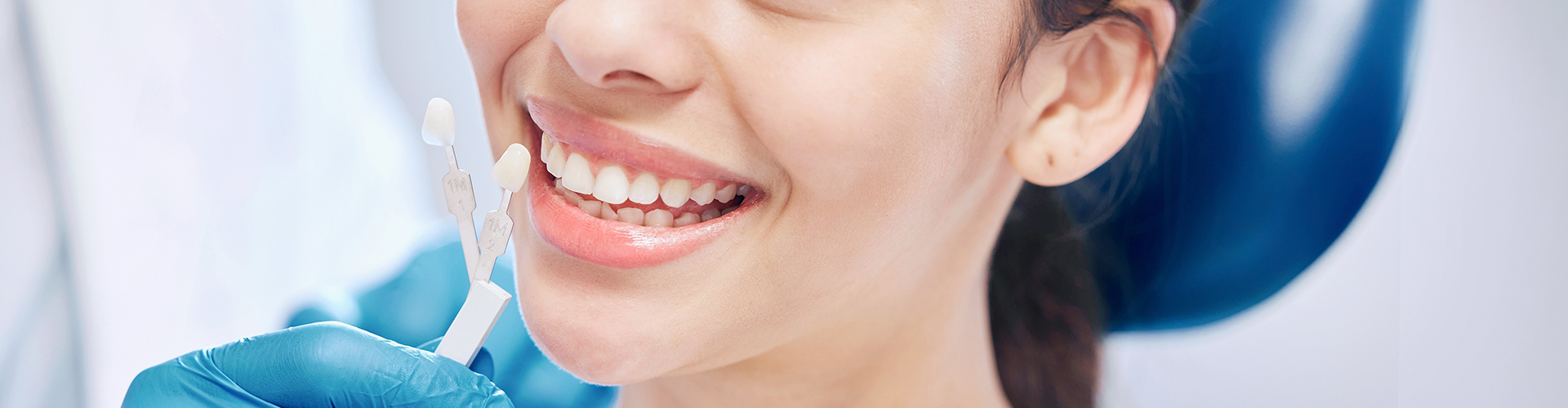
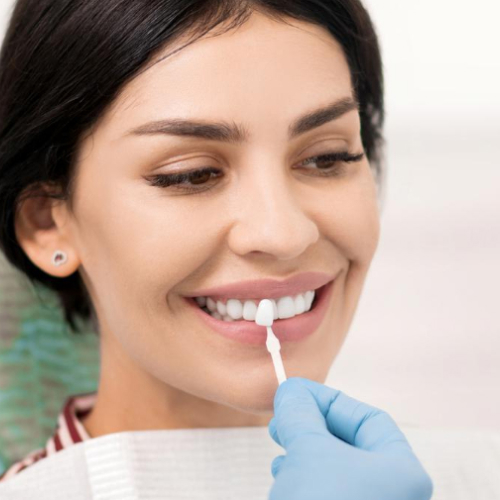
There’s a reason veneers are one of the most requested cosmetic dental treatments: they’re the fast-track to a straighter, brighter, more confident smile. But with all that glow-up potential comes a few questions—and fair ones at that. Are they hard to care for? Can you brush them like regular teeth? Will your go-to toothpaste ruin them?
At Cypress Family Dental, we get these questions all the time. So instead of keeping the answers between us and the dental chair, we’re pulling back the curtain for anyone who’s ever been veneer-curious.
Let’s get into the nitty-gritty of what life with veneers actually looks like.
Short answer: not really. Long answer: it depends on your definition of “maintenance.”
Veneers don’t require celebrity-level upkeep, but they do need a bit more TLC than your natural teeth. Think of them like a really good pair of suede shoes. You wouldn’t stomp through muddy puddles wearing them and expect them to last forever, right? Same concept.
Here’s what good veneer care looks like in real life:
What you don’t have to worry about? Veneers turning yellow from your morning coffee. Porcelain veneers are stain-resistant (unlike your natural enamel), so unless you’re hosting wine tastings every night or chewing on ink pens, your smile will stay bright.
Bottom line: you don’t need to baby your veneers—but you do need to treat them with respect. If you’re someone who already takes care of your teeth, you’re more than ready.
Absolutely. In fact, please brush your teeth with veneers.
Just because veneers cover the front of your teeth doesn’t mean the rest of your mouth is off the hook. The tooth behind the veneer is still very much alive and needs your daily brushing routine to stay healthy. And the gums? They like being cleaned too.
So yes—brushing is non-negotiable. But it’s how you brush that matters. Here’s how to get it right:
And while veneers themselves don’t decay, the edges where the veneer meets your natural tooth (what we call the margin) can be prone to plaque buildup if ignored. That’s why technique counts just as much as frequency.
Pro tip: if you’re switching from hard to soft bristles, give it a few days to adjust. Your gums will thank you.
Not all toothpaste is created equal, especially when you have veneers.
Here’s the rule: skip the grit. Many “whitening” toothpastes or charcoal pastes contain abrasive ingredients that can wear down the polish on your veneers over time, making them appear dull or even slightly rough. And while that might not show right away, it’ll add up.
So, what should you use instead? Look for toothpaste that is:
You don’t need fancy brands either. Even many drugstore staples have gentle formulas—just read the labels.
Still unsure? During your veneer appointment, we’ll recommend brands that work well and won’t hurt your smile investment.
Bonus tip: If your toothpaste makes your veneers feel squeaky or “too clean,” that’s a sign it might be too harsh. Your veneers should always feel smooth and look polished.
Let’s bust a myth real quick: veneers are not superhuman.
Yes, porcelain veneers are durable. Yes, they’re bonded to your teeth with strong adhesive. But just like natural teeth, they have limits.
Chewing on ice? Bad idea. Using your teeth to open packaging? Nope. Biting into super hard foods like raw carrots or candy apples? Only if you're very, very careful.
It’s not that these things will break your veneers—it’s just that they might. And that’s a risk you don’t want to take, especially when you’ve spent time and money getting that perfect smile.
Treat veneers like what they are: a long-term cosmetic enhancement. They’re meant to be lived with, not stressed out.
If you’ve ever caught yourself covering your smile in photos, second-guessing your teeth in the mirror, or Googling “how to fix a chipped tooth without braces,” veneers might be worth a real conversation.
They’re ideal for correcting:
And the best part? The process is quicker than you think. Most patients go from consultation to final smile in just a few visits.
At Cypress Family Dental, we believe a great smile doesn’t have to be complicated. We’ll talk you through your options, help you decide if veneers are the right fit, and walk you through every step of the process—no surprises, no pressure.
Ready to take the next step toward a more confident, beautiful smile? Whether you’re just curious or totally set on getting veneers, we’re here to help.
Schedule your appointment with Cypress Family Dental today, and let’s talk about what’s possible. Because when you love your smile, everything else just feels a little better.
Fresh news from the dental world


Mon - Fri 8AM - 5PM
Sat & Sun Closed
Check out what our patients are saying in Cypress...
..png)

“They're All Top Notch”
I'm so happy to have found this awesome dentist with an awesome staff. I am completely confident in the doctor's skill level, and completely comfortable relying on him to work on me without allowing me to experience unnecessary pain. In addition to having a good relationship with the dentist, being able to relate with the office staff is equally important to me. From the hygienist to the dental assistants to the front desk, they're all top notch.

“They Are So Efficient”
This is the best dentist I have been to and I have been to several. The team is professional and welcoming. They are never over-booked and I have never waited more than 5 minutes in the lobby. They are so efficient, no matter what I go in for, I am out in 45 minutes or less. I highly recommend Cypress Family Dental.

“The Staff Did A Great Job”
Came to Cypress Family Dental a year ago for my sleep apnea device. No more snoring! The staff did a great job fitting me for this oral appliance. Better yet, they were there to support me when I needed some adjustments later on. The front office staff couldn't have been more accommodating to schedule me in. Easy to recommend.

“A Very Pleasant Experience”
My visit to the Cypress Family Dental office today was a very pleasant experience. The front desk staff greeted me upon entering the office and efficiently confirmed my scheduled appointment. I'm seen within a short time by professional, knowledgeable and comfortable staff. They're open to various types of insurance and are flexible on terms. Overall, I would definitely recommend Cypress Family Dental.

“They Truly Care”
The dentist and his staff are wonderful people! In the past, I have had horrible experiences at other dentist offices and then I found this place and I don't think I would ever go anywhere else again. I live about 45 min away from their office but the drive is well worth it. They truly care about their patients. I would recommend this office to anyone.
..png)
“The Doctors Are Just Stellar”
The sweetest people work here, I'm convinced! The ladies at the front desk always go out of their way to be kind and helpful, the hygienists listen to your concerns and will address them to their best ability, and the doctors are just stellar. I drive over 40 min from where I live to go here because it's rare to find a dental office this fantastic.
“They're All Top Notch”
I'm so happy to have found this awesome dentist with an awesome staff. I am completely confident in the doctor's skill level, and completely comfortable relying on him to work on me without allowing me to experience unnecessary pain. In addition to having a good relationship with the dentist, being able to relate with the office staff is equally important to me. From the hygienist to the dental assistants to the front desk, they're all top notch.
“They Are So Efficient”
This is the best dentist I have been to and I have been to several. The team is professional and welcoming. They are never over-booked and I have never waited more than 5 minutes in the lobby. They are so efficient, no matter what I go in for, I am out in 45 minutes or less. I highly recommend Cypress Family Dental.
Check out our accreditations, sources, and relationships in the wide world of dentistry...


Check us out and follow our Cypress dental practice on social media...


