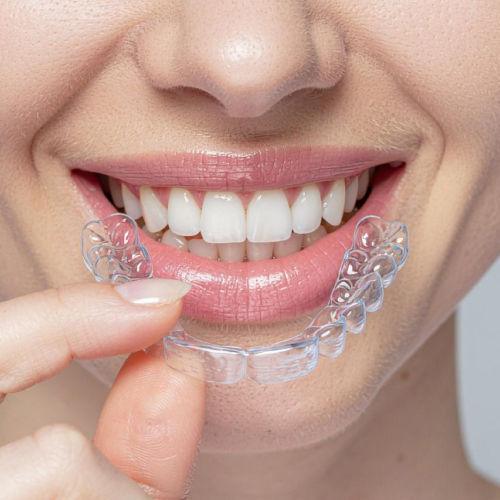
Why Your Invisalign Trays Aren't Fitting—And What to Do About It
Invisalign tray not fitting right in Cypress? Learn why gaps happen, what tracking means, and when refinements are needed. Call Cypress Family Dental.
Read More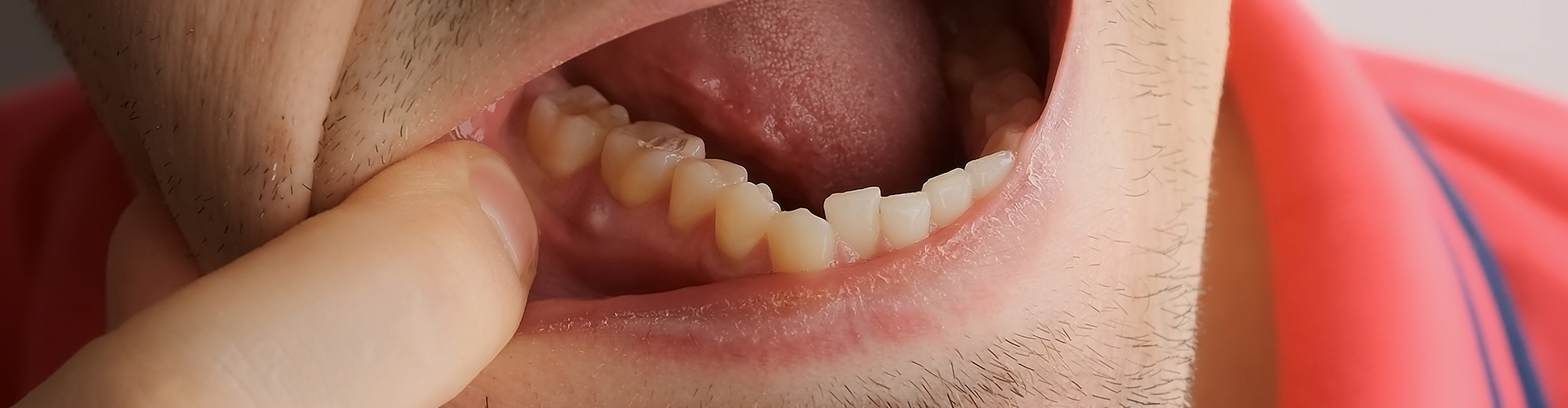
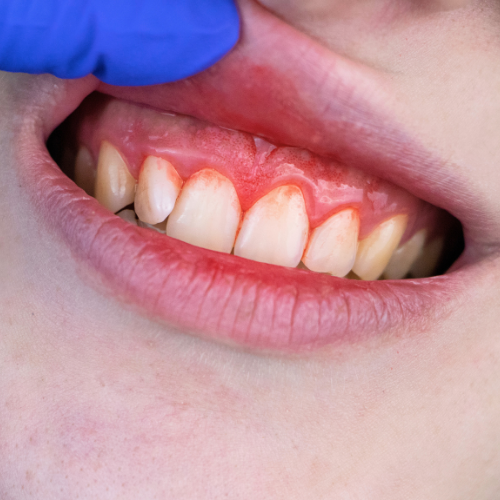
There’s a special kind of pain that can stop you mid-bite, mid-sentence, or even mid-sleep. It feels like your tooth is pulsing with every heartbeat, and no matter how many times you rinse with warm salt water or reach for painkillers, the throbbing doesn’t stop. If that sounds familiar, you may be dealing with something more than a simple cavity: a tooth abscess.
At Cypress Family Dental, we’ve seen our fair share of dental abscesses. They’re not just uncomfortable, they’re your body’s loud, flashing alert that something serious is going on beneath the surface. Whether you’re already in pain or just wondering what that weird bump on your gum is, this article will walk you through what’s happening and what to do next.
Imagine your tooth is sending out an SOS signal, and pain is its language. That’s essentially what’s happening with a dental abscess.
A tooth abscess is an infection, usually caused by bacteria, that leads to a buildup of pus either at the tip of the root (periapical abscess) or in the gum next to the root (periodontal abscess). The infection creates pressure, and that pressure is what causes the kind of pain that can keep you up at night.
Here’s what most people report feeling:
The pain might come and go, but don’t be fooled, if it disappears suddenly, it doesn’t mean the infection is gone. It may just mean the abscess has ruptured. You still need dental care, and quickly.
Let’s put it this way: a tooth abscess isn’t the kind of problem you “wait and see” on. Left untreated, it can lead to far more serious complications.
Here’s why:
Your body is pretty amazing, it tries to wall off infections like this to protect the rest of you. But that wall can break down quickly, and when it does, the infection doesn't stay politely in your mouth.
So yes, it’s serious. But it’s also treatable, and the sooner you act, the better the outcome.
It depends, but not always.
A common myth is that an abscessed tooth has to be pulled. In reality, dentists try to save the tooth whenever possible. At Cypress Family Dental, we evaluate your tooth, the extent of the infection, and your overall oral health before deciding on a treatment plan.
Here are the most common options:
In all cases, antibiotics may be prescribed, but they’re not a standalone cure. They help manage the infection but won’t eliminate the source of the problem. That’s why seeing a dentist is so important, even if the pain starts to fade.
Tooth abscesses don’t come out of nowhere. They usually start as something small, an untreated cavity, a cracked tooth, or gum disease, and snowball into something more serious.
Bacteria are always present in your mouth. When they find an opening (like a deep cavity or space beneath your gum), they can enter and multiply. If your immune system can’t fight them off, the area becomes inflamed, and pus begins to accumulate.
The best way to prevent abscesses? Regular checkups and cleanings. It’s much easier, and less painful, to treat a small cavity than to perform a root canal on a fully infected tooth.
If you’re reading this while clutching the side of your face in pain, here’s what to do next:
Tooth pain can feel isolating and even scary, but you’re not alone, and you don’t have to power through it. If something feels off, swollen, or just plain wrong, it’s time to see a dentist.
At Cypress Family Dental, we’re here to get you out of pain and back to feeling like yourself. Whether your tooth needs saving or saying goodbye, we’ll walk you through it with care and clarity.
Book your appointment today, your tooth (and your peace of mind) will thank you.
Fresh news from the dental world



Mon - Fri 8AM - 5PM
Sat & Sun Closed
Check out what our patients are saying in Cypress...
..png)

“The Doctors Are Just Stellar”
The sweetest people work here, I'm convinced! The ladies at the front desk always go out of their way to be kind and helpful, the hygienists listen to your concerns and will address them to their best ability, and the doctors are just stellar. I drive over 40 min from where I live to go here because it's rare to find a dental office this fantastic.

“They Are So Efficient”
This is the best dentist I have been to and I have been to several. The team is professional and welcoming. They are never over-booked and I have never waited more than 5 minutes in the lobby. They are so efficient, no matter what I go in for, I am out in 45 minutes or less. I highly recommend Cypress Family Dental.

“A Very Pleasant Experience”
My visit to the Cypress Family Dental office today was a very pleasant experience. The front desk staff greeted me upon entering the office and efficiently confirmed my scheduled appointment. I'm seen within a short time by professional, knowledgeable and comfortable staff. They're open to various types of insurance and are flexible on terms. Overall, I would definitely recommend Cypress Family Dental.

“The Staff Did A Great Job”
Came to Cypress Family Dental a year ago for my sleep apnea device. No more snoring! The staff did a great job fitting me for this oral appliance. Better yet, they were there to support me when I needed some adjustments later on. The front office staff couldn't have been more accommodating to schedule me in. Easy to recommend.

“They Truly Care”
The dentist and his staff are wonderful people! In the past, I have had horrible experiences at other dentist offices and then I found this place and I don't think I would ever go anywhere else again. I live about 45 min away from their office but the drive is well worth it. They truly care about their patients. I would recommend this office to anyone.
..png)
“They're All Top Notch”
I'm so happy to have found this awesome dentist with an awesome staff. I am completely confident in the doctor's skill level, and completely comfortable relying on him to work on me without allowing me to experience unnecessary pain. In addition to having a good relationship with the dentist, being able to relate with the office staff is equally important to me. From the hygienist to the dental assistants to the front desk, they're all top notch.
“The Doctors Are Just Stellar”
The sweetest people work here, I'm convinced! The ladies at the front desk always go out of their way to be kind and helpful, the hygienists listen to your concerns and will address them to their best ability, and the doctors are just stellar. I drive over 40 min from where I live to go here because it's rare to find a dental office this fantastic.
“They Are So Efficient”
This is the best dentist I have been to and I have been to several. The team is professional and welcoming. They are never over-booked and I have never waited more than 5 minutes in the lobby. They are so efficient, no matter what I go in for, I am out in 45 minutes or less. I highly recommend Cypress Family Dental.
Check out our accreditations, sources, and relationships in the wide world of dentistry...


Check us out and follow our Cypress dental practice on social media...


