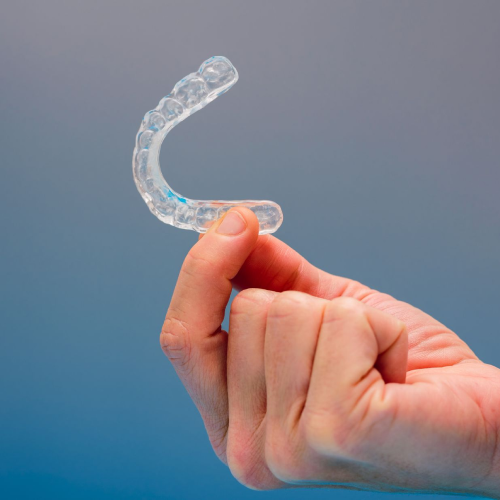
How Much Does Invisalign Cost and What Is Included in the Price?
Curious about Invisalign cost? Learn what is included in the price and if the cost is normal. Read our guide and schedule your consultation today!
Read More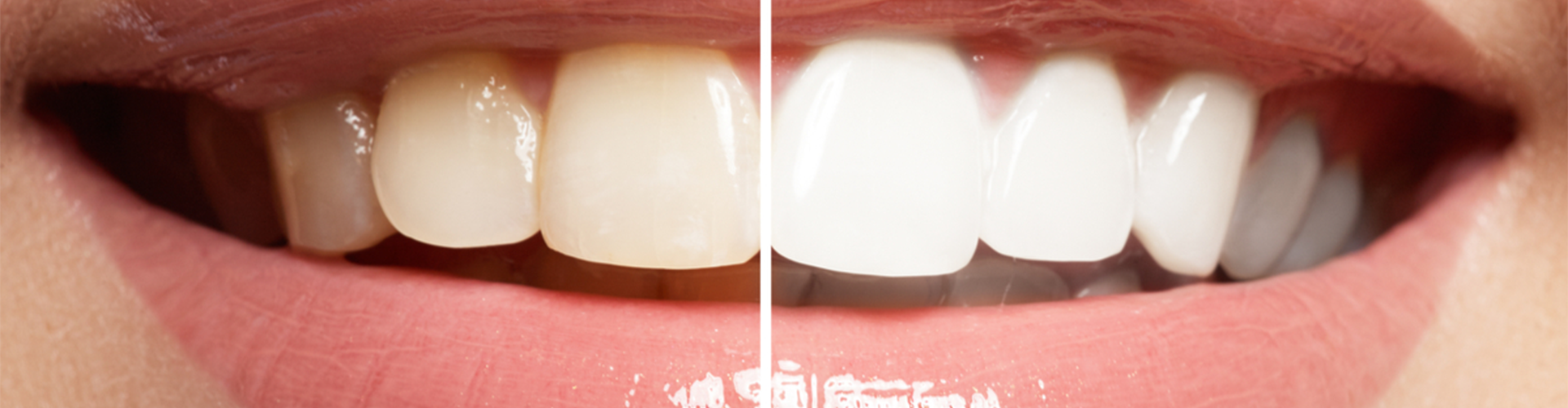
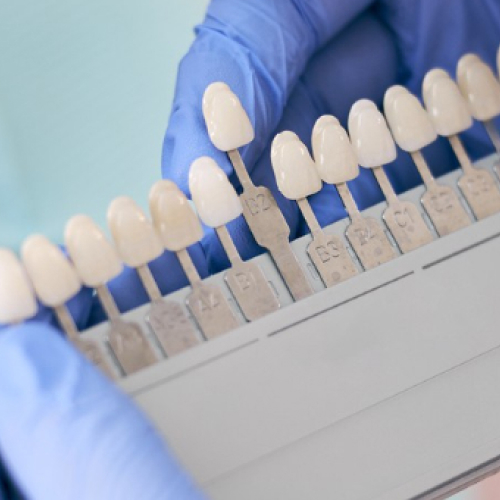
Almost everyone wants to have a white, healthy smile. Your teeth could discolor for several different reasons. Some things, including aging or childhood injuries that could disrupt the development of our teeth enamel, are beyond our control. For this reason, it's crucial to go to a dentist and discuss your plans for teeth whitening. Your dentist will be able to determine whether your tooth staining is only due to lifestyle-related staining, such as from drinking too much coffee, or whether it may be more of a dental health issue. Even though bleaching is typically done for aesthetic purposes, your dentist can advise you on the best method of treatment for your particular stains. The good news is that correcting dental discoloration is frequently possible.
Types Of Tooth Stains Surface stains, material changes in your teeth, or a mix of the two can all contribute to tooth discoloration. The three main types of tooth discoloration that dental practitioners have recognized are: -Extrinsic tooth stains: Stains on the tooth's surface are known as extrinsic tooth stains. It happens when staining substances, such as colored food or drink residue, accumulate in the protein-based coating that protects tooth enamel. Extrinsic teeth stains are often brought on by drinking coffee, tea, wine, or carbonated beverages frequently or by using tobacco products. Regular dental cleanings and using whitening toothpaste to brush the teeth are effective treatments for this kind of tooth stain. -Intrinsic tooth stains: An intrinsic tooth stain is a stain that extends below the tooth's surface. It happens when stain-causing substances penetrate the tooth's outer layer and gather inside the tooth enamel. The use of fluoride in excess has also been linked to intrinsic stains, particularly in young children. It is more difficult to get an intrinsic tooth stain out, but it is possible. Chemical teeth-whitening products, whether used professionally or at home, may be necessary to remove an intrinsic tooth stain. -Age-related tooth stains: The effects of both intrinsic and extrinsic tooth discoloration are combined in age-related tooth stains. Teeth darken as you age because dentin, the tooth's basic tissue, naturally ages. The tooth's protective enamel thinning with age makes the dentin more visible. The majority of individuals' teeth will yellow with age due to these intrinsic reasons for discoloration as well as external factors, including the effects of specific meals, beverages, and smoking.
Causes Of Tooth Stains Following are some causes of tooth stains: -Systemic diseases: Teeth might become discolored as a result of conditions that stop the dentin and enamel from developing normally. Chemotherapy and radiation to the head and neck are two medical procedures that can stain teeth. Some infections in expectant women can interfere with your baby's development of enamel and stain their teeth. -Certain medications: It has been widely accepted that several medicines can stain developing children's teeth. Tetracycline and doxycycline, antibiotics, can interfere with the development of enamel in young infants. Mouthwashes and rinses containing chlorhexidine and cetylpyridinium chloride are also able to stain teeth. Antipsychotic, antihistamine, and hypertensive medications can cause discolored teeth. -Age: Your teeth's yellow dentin is revealed as the outer coating of enamel on them becomes worn away with age. As you become older, the dentin in your teeth likewise expands, reducing the pulp's size. The tooth appears darker as its translucency decreases. -Fluorosis: Fluorosis, which appears as white spots on teeth, can be caused by excessive fluoride exposure during tooth development. It may occur whether from environmental sources (high fluoride levels in water) or excessive use (fluoride treatments, rinses, toothpaste). -Trauma: Children can get injured in the head when playing sports. If they are younger than eight, the injury may stop the formation of enamel. Adult teeth can also become discolored by trauma if a sports injury or other impact reduces blood circulation to the tooth or destroys the nerve.
How Does Tobacco Stain My Teeth? While nicotine is colorless on its own, when coupled with oxygen, it becomes yellow. Because of this, tobacco causes your teeth to eventually turn yellow from discoloration. With continued smoking, it may even become brown. Flossing and brushing alone won't be able to get rid of the smoke stains on your teeth. If you're planning on continuing to smoke, you'll need to take proactive measures to keep your teeth white, such as cleaning and flossing right away after you smoke. This is done to swiftly remove any dirt or chemicals that may have embedded themselves into the enamel and caused stains.
What Beverages Stain Your Teeth? Coffee is known for turning teeth dark, and the chromogens that give it deep brown color are both acidic and abundant in coffee. The oak barrels in which red wine ferments contribute significantly to its high tannin content. If you eat something colorful after drinking white wine, since it still contains some tannins and is acidic, it may cause your teeth to discolor more easily.
What Foods Stain Your Teeth? Certain foods and beverages carry chromogens, which are chemical components that can stain our teeth and give them their color. Stains can also result from consuming foods and beverages that contain tannin. Acids can erode your teeth, which increases the risk of staining. Generally speaking, if anything might stain your clothes or tongue, there's a good possibility it will also stain your teeth. The most typical foods and beverages that can discolor your teeth are red wine, cola, fruit juice, curry, tomato-based sauce, and soy sauce. Numerous vitamins and minerals that are good for your health are present in some of them. You don't have to eliminate them from your diet, especially if you don't routinely eat them. However, if you frequently consume some of the foods or beverages listed above and are concerned about teeth discoloration, you might want to consider cutting down.
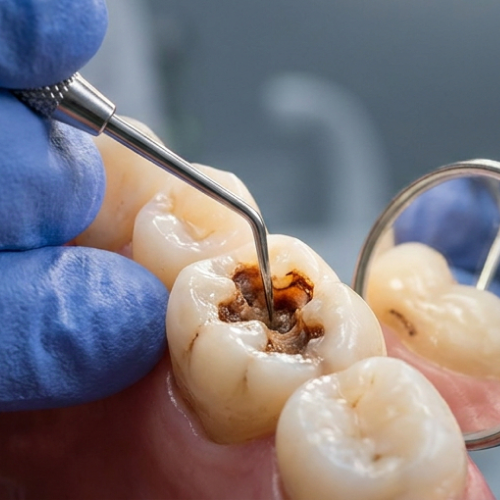
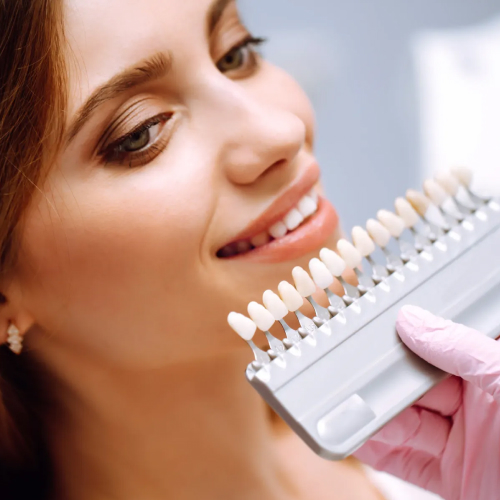
Fresh news from the dental world


Mon - Fri 8AM - 5PM
Sat & Sun Closed
Check out what our patients are saying in Cypress...
..png)

“The Doctors Are Just Stellar”
The sweetest people work here, I'm convinced! The ladies at the front desk always go out of their way to be kind and helpful, the hygienists listen to your concerns and will address them to their best ability, and the doctors are just stellar. I drive over 40 min from where I live to go here because it's rare to find a dental office this fantastic.

“They Are So Efficient”
This is the best dentist I have been to and I have been to several. The team is professional and welcoming. They are never over-booked and I have never waited more than 5 minutes in the lobby. They are so efficient, no matter what I go in for, I am out in 45 minutes or less. I highly recommend Cypress Family Dental.

“The Staff Did A Great Job”
Came to Cypress Family Dental a year ago for my sleep apnea device. No more snoring! The staff did a great job fitting me for this oral appliance. Better yet, they were there to support me when I needed some adjustments later on. The front office staff couldn't have been more accommodating to schedule me in. Easy to recommend.

“A Very Pleasant Experience”
My visit to the Cypress Family Dental office today was a very pleasant experience. The front desk staff greeted me upon entering the office and efficiently confirmed my scheduled appointment. I'm seen within a short time by professional, knowledgeable and comfortable staff. They're open to various types of insurance and are flexible on terms. Overall, I would definitely recommend Cypress Family Dental.

“They Truly Care”
The dentist and his staff are wonderful people! In the past, I have had horrible experiences at other dentist offices and then I found this place and I don't think I would ever go anywhere else again. I live about 45 min away from their office but the drive is well worth it. They truly care about their patients. I would recommend this office to anyone.
..png)
“They're All Top Notch”
I'm so happy to have found this awesome dentist with an awesome staff. I am completely confident in the doctor's skill level, and completely comfortable relying on him to work on me without allowing me to experience unnecessary pain. In addition to having a good relationship with the dentist, being able to relate with the office staff is equally important to me. From the hygienist to the dental assistants to the front desk, they're all top notch.
“The Doctors Are Just Stellar”
The sweetest people work here, I'm convinced! The ladies at the front desk always go out of their way to be kind and helpful, the hygienists listen to your concerns and will address them to their best ability, and the doctors are just stellar. I drive over 40 min from where I live to go here because it's rare to find a dental office this fantastic.
“They Are So Efficient”
This is the best dentist I have been to and I have been to several. The team is professional and welcoming. They are never over-booked and I have never waited more than 5 minutes in the lobby. They are so efficient, no matter what I go in for, I am out in 45 minutes or less. I highly recommend Cypress Family Dental.
Check out our accreditations, sources, and relationships in the wide world of dentistry...


Check us out and follow our Cypress dental practice on social media...


