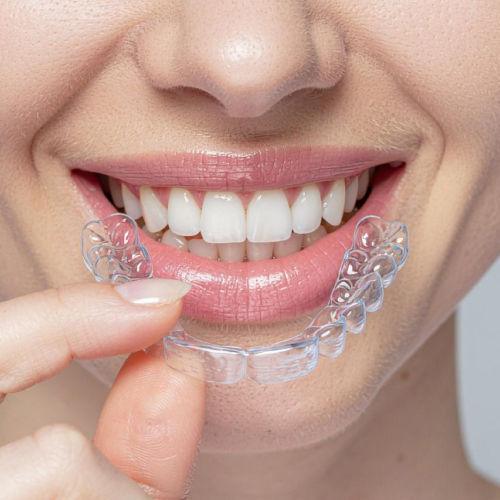
Why Your Invisalign Trays Aren't Fitting—And What to Do About It
Invisalign tray not fitting right in Cypress? Learn why gaps happen, what tracking means, and when refinements are needed. Call Cypress Family Dental.
Read More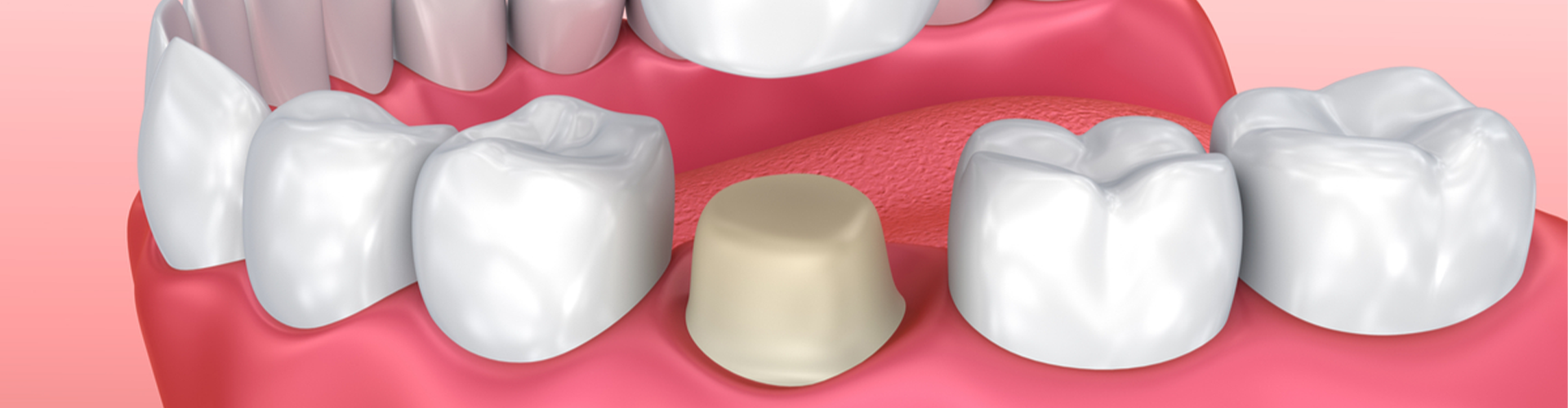
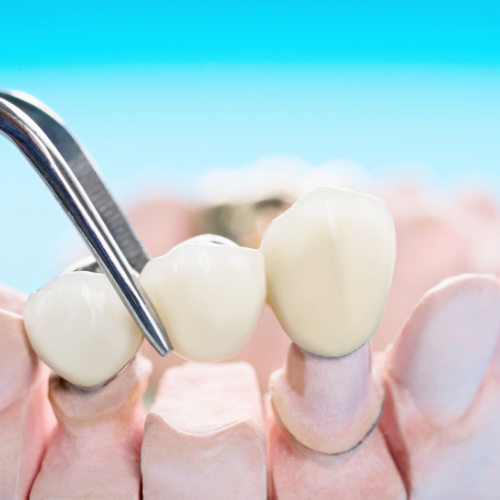
In the time and age of modern dentistry, durability, functionality, and esthetics have gained equal importance. In the olden days, dentistry was all about durability and functionality. But with the advent of much new age and modern dental materials, esthetics in dentistry became highly achievable and has gained immense popularity with the advent of ceramics or porcelains into dentistry. What is porcelain? Porcelains are ceramics, and the word ceramics is derived from the Greek word keramos, which means clay. In dentistry, ceramics are used to fabricate tooth-colored crowns, bridges, and veneers. This compound is biocompatible, functional, and esthetic. Different types of dental crowns are used in dentistry. A few of them are: ● All-metal crowns ● Porcelain fused to metal crowns ● All-ceramic crowns All-metal crowns are durable and functional, but not esthetic and cannot be used in esthetic zones. This led to the development of porcelain fused to metal crowns that can be used in esthetic zones. But the drawback of these crowns is porcelain chipping off or fracturing over the metal surface. This led to the development of all-ceramic crowns. All-ceramic crowns or porcelain crowns are entirely made up of esthetic material, and there will not be an unpleasant display of metal structure. Different types of porcelain crowns used in dentistry are: ● Feldspathic crowns ● Zirconia crowns ● Aluminous crowns
Feldspathic crowns: The base component is glass or silicon dioxide. It is a highly esthetic material that was introduced in the 1880s in dentistry. In 1903, Charles Land developed the first all-porcelain jacketed crown. Feldspathic crowns are layered over the pre-built core. Zirconia crowns: Zirconia crowns are widely used in modern dentistry for esthetic crowns. It is the strongest and most dense type of ceramic. The crown is usually milled from a monolithic zirconia block using CAD/CAM technology. The advantage of this is that it is very durable and long-lasting and does not require much tooth structure removal (compared to most ceramic crowns) as the material is very strong in thin sections. However, due to the density of the material, it can be challenging to find the best similarity of the shade and translucency compared to other ceramics. The only disadvantage of these zirconia crowns, when used in posterior teeth, is that they are highly abrasive and can abrade the opposing natural tooth. Zirconia can also be used for zirconia core-only crowns. They have a core made of zirconia and are layered on top with more esthetic ceramics for translucency. However, they might not be as esthetic as other ceramics due to the dense core of the zirconia, which obstructs the light and affects the translucency that is usually observed in natural teeth. Aluminous crowns: The main component of these aluminous crowns is a porcelain material called alumina. Unlike Zirconia, these crowns are porous and have excellent translucency. So it gained popularity as the best alternative for esthetic zone rehabilitations. It is easily etched and chemically attached to the natural tooth structure. Because of the light reflective nature, it is the closest result to the natural tooth. The standard alumina crowns available in the market are: ● PROCERA ● EMPRESS ● EMAX All these have translucency very close to natural teeth and are currently in use as esthetic crowns because of their biocompatibility, durability, and excellent long-term wear, similar to natural enamel.
Is a porcelain crown good? With the advent of modern biocompatible, esthetic, and durable porcelain, it is safe to say that porcelain crowns are an excellent alternative for metal crowns. With the availability of different materials in the market, you have many options to enhance your smile. Discuss with your dentist about a suitable alternative for you to have a pearly white smile. Do porcelain crowns stain? Porcelain crowns are glazed on the surface before cementation, hence they are stain-resistant initially. However, over a period of time, due to surface abrasions of these crowns, they may start taking up stains. A few reasons for the staining of porcelain crowns are excessive coffee intake, turmeric and other food coloring, and smoking. See your dentist if you observe heavy staining and discuss the causes. How long do porcelain crowns last? Porcelain crowns are very durable and can last around 8-15 years if bonded according to standard protocols. However, the lifespan of a porcelain crown depends upon the tooth preparation and maintenance of the patient. Brushing twice daily and flossing before bed is mandatory, even for porcelain crowns. Discuss the care of these crowns with your dentist before getting porcelain crowns.
Fresh news from the dental world



Mon - Fri 8AM - 5PM
Sat & Sun Closed
Check out what our patients are saying in Cypress...
..png)

“The Doctors Are Just Stellar”
The sweetest people work here, I'm convinced! The ladies at the front desk always go out of their way to be kind and helpful, the hygienists listen to your concerns and will address them to their best ability, and the doctors are just stellar. I drive over 40 min from where I live to go here because it's rare to find a dental office this fantastic.

“They Are So Efficient”
This is the best dentist I have been to and I have been to several. The team is professional and welcoming. They are never over-booked and I have never waited more than 5 minutes in the lobby. They are so efficient, no matter what I go in for, I am out in 45 minutes or less. I highly recommend Cypress Family Dental.

“A Very Pleasant Experience”
My visit to the Cypress Family Dental office today was a very pleasant experience. The front desk staff greeted me upon entering the office and efficiently confirmed my scheduled appointment. I'm seen within a short time by professional, knowledgeable and comfortable staff. They're open to various types of insurance and are flexible on terms. Overall, I would definitely recommend Cypress Family Dental.

“The Staff Did A Great Job”
Came to Cypress Family Dental a year ago for my sleep apnea device. No more snoring! The staff did a great job fitting me for this oral appliance. Better yet, they were there to support me when I needed some adjustments later on. The front office staff couldn't have been more accommodating to schedule me in. Easy to recommend.

“They Truly Care”
The dentist and his staff are wonderful people! In the past, I have had horrible experiences at other dentist offices and then I found this place and I don't think I would ever go anywhere else again. I live about 45 min away from their office but the drive is well worth it. They truly care about their patients. I would recommend this office to anyone.
..png)
“They're All Top Notch”
I'm so happy to have found this awesome dentist with an awesome staff. I am completely confident in the doctor's skill level, and completely comfortable relying on him to work on me without allowing me to experience unnecessary pain. In addition to having a good relationship with the dentist, being able to relate with the office staff is equally important to me. From the hygienist to the dental assistants to the front desk, they're all top notch.
“The Doctors Are Just Stellar”
The sweetest people work here, I'm convinced! The ladies at the front desk always go out of their way to be kind and helpful, the hygienists listen to your concerns and will address them to their best ability, and the doctors are just stellar. I drive over 40 min from where I live to go here because it's rare to find a dental office this fantastic.
“They Are So Efficient”
This is the best dentist I have been to and I have been to several. The team is professional and welcoming. They are never over-booked and I have never waited more than 5 minutes in the lobby. They are so efficient, no matter what I go in for, I am out in 45 minutes or less. I highly recommend Cypress Family Dental.
Check out our accreditations, sources, and relationships in the wide world of dentistry...


Check us out and follow our Cypress dental practice on social media...


