Root Canal vs Tooth Extraction
Not sure whether you need a root canal or extraction? Learn the differences, benefits, and how dentists determine the right treatment.
Read More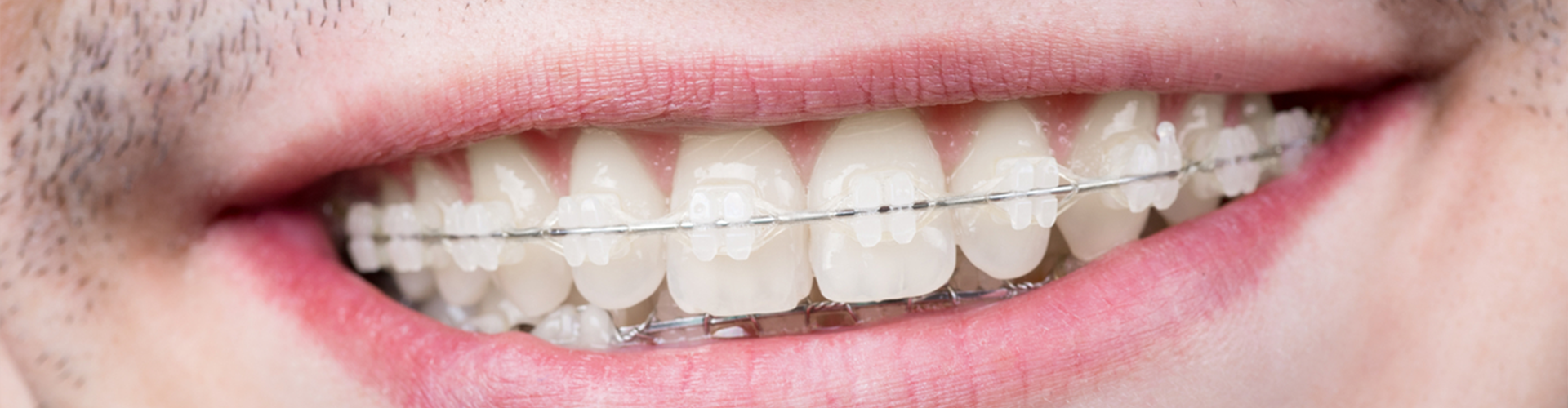
The field of orthodontics brings you various procedures to align your teeth and enhance your look. Not only for you, but malaligned teeth have become a worldwide dilemma. According, to the American Association of Orthodontics, nearly 50% of people in developed countries have misaligned teeth. These people need orthodontic treatment to bring their teeth to the path of alignment and prevent them from further complications. Who Needs Orthodontic Treatment? As time passes, awareness about dental treatment is improving in our population. However, it is very important to recognize the people who are in dire need of orthodontic treatment. The major reason behind the orthodontic treatment is to correct your facial esthetic, inter-occlusal relationship, and malocclusions. -Facial Esthetic- Orthodontic treatment ensures you a significant psychological advantage and improves your feelings of self-worth by enhancing your facial esthetic. Additionally, a better dentofacial look might enhance your general quality of life. Studies have also revealed that when children were annoyed, it was usually about their teeth rather than anything else. This type of action can have a severe impact on children's self-esteem as well as make them feel insecure in social situations. Studies have also shown that spacing in anterior teeth negatively impacts your children's social life. This may also have detrimental effects on parents and other family members. -Inter-Occlusal Relationship- Patients may experience trouble biting through food or poor chewing abilities if teeth are not correctly occluded. The unbalanced masticatory forces can also damage your teeth’s supporting structure and lead to their mobility. Therefore, timely intervention is needed to balance the occlusion and avoid complications. -Correction of malocclusions- Malocclusions affect your teeth in multiple ways. When you have increased overjet, then there is a risk of trauma to incisors. It also can damage your tooth periodontium in the long run. According to studies, anterior teeth that have overjets greater than 3mm have a twice as high risk of injury. -Repair of Trauma- Dental trauma can cause a variety of problems, including fractures of the enamel and front tooth avulsion. As a result, in situations where there is an increased overjet, orthodontic therapy may play a preventive role.
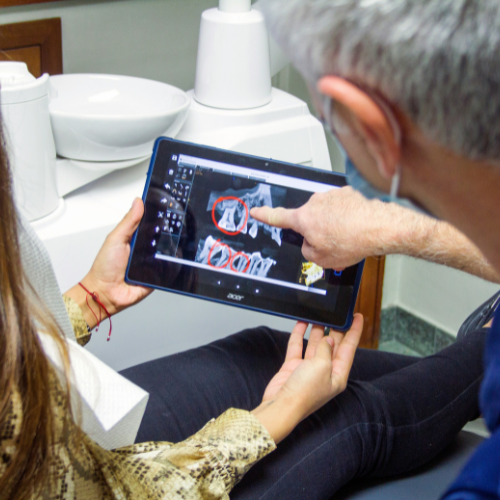
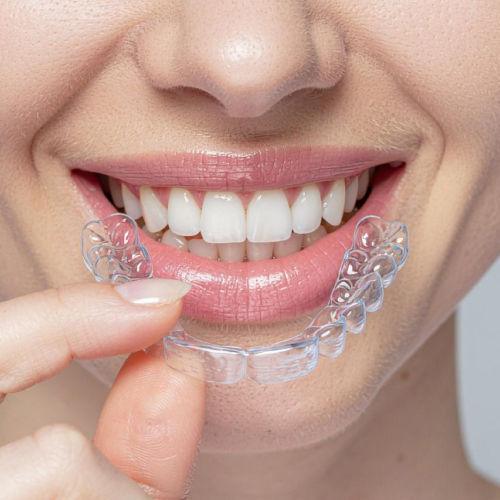
Types Of Orthodontics Treatment Any orthodontic treatment begins with an evaluation of your teeth's current status and any potential future changes. X-rays, plaster casts, and pictures of your teeth are frequently used in this process. This helps in diagnosing your problems and designing the right treatment plan. Sometimes more than one treatment plan is decided, in such cases, the final decision is made by an orthodontist. Following are the various types of orthodontic treatment. -Fixed Braces- Fixed braces are the most common treatment option. Braces are made of metal and cemented on the front of your teeth. You will be able to consume a normal variety of meals a few days after a fixed brace is set. Toffee, hard candies, and carbonated beverages should be avoided since they can harm your teeth and the appliance. -Removable Braces- You can treat minor issues with removable braces or as a complement to fixed brace therapy. They can also occasionally be used to stop kids from sucking their thumbs. Only clean-up purposes or precautionary removal during specific activities should be done with these braces out of your mouth. You can get advice from your orthodontist on this. -Functional Appliance- Upper and lower jaw and tooth positioning issues can be treated using functional appliances. Most people are required to wear them constantly. It's crucial to adhere to your orthodontist's recommendations about how and when to wear the appliance. The treatment will not be effective if it is not worn properly. Your working appliance might need to be taken out for cleaning and while you're dining. -Retainers- Retainers are applied after the completion of orthodontics treatment. As the surrounding bone and gum tissue adjust to the teeth's new position, they keep straightened teeth in place. Both removable and fixed retainers are available. The retainer works to keep the teeth in a new position and prevent them from relapsing.
What Is The Best Age For Orthodontics Treatment? Before deciding to begin your orthodontic treatment, there are several factors we take into account. -For children, the best age is right before losing primary teeth. It usually occurs between 12 to 14 years of age. Instead of using a two-phase strategy, the majority of kids would benefit from a single round of full orthodontic treatment. When you start the treatment too early, and there are multiple primary teeth present in your child's mouth, it may lengthen orthodontic treatment. -For adults, orthodontic treatment should be started when the first abnormality is seen in your teeth. The reason is that orthodontic issues generally always worsen over time rather than improve on their own. Secondly, orthodontic therapy becomes increasingly difficult as people age and experience new health and dental difficulties. How Long Does Orthodontic Treatment Last? Each patient's orthodontic therapy is different in length. The usual orthodontic treatment lasts about two years, however, certain issues are resolved more quickly than others. While more difficult problems can take three years or longer to fix, more modest problems can be fixed by orthodontists in as little as six months. The best person to ask about how long dental treatments will take is your dentist. You can get a better understanding of the orthodontic procedure and get the chance to ask any specific questions you might have by scheduling an orthodontic consultation.
Fresh news from the dental world


Mon - Fri 8AM - 5PM
Sat & Sun Closed
Check out what our patients are saying in Cypress...
..png)

“The Doctors Are Just Stellar”
The sweetest people work here, I'm convinced! The ladies at the front desk always go out of their way to be kind and helpful, the hygienists listen to your concerns and will address them to their best ability, and the doctors are just stellar. I drive over 40 min from where I live to go here because it's rare to find a dental office this fantastic.

“They Are So Efficient”
This is the best dentist I have been to and I have been to several. The team is professional and welcoming. They are never over-booked and I have never waited more than 5 minutes in the lobby. They are so efficient, no matter what I go in for, I am out in 45 minutes or less. I highly recommend Cypress Family Dental.

“A Very Pleasant Experience”
My visit to the Cypress Family Dental office today was a very pleasant experience. The front desk staff greeted me upon entering the office and efficiently confirmed my scheduled appointment. I'm seen within a short time by professional, knowledgeable and comfortable staff. They're open to various types of insurance and are flexible on terms. Overall, I would definitely recommend Cypress Family Dental.

“They Truly Care”
The dentist and his staff are wonderful people! In the past, I have had horrible experiences at other dentist offices and then I found this place and I don't think I would ever go anywhere else again. I live about 45 min away from their office but the drive is well worth it. They truly care about their patients. I would recommend this office to anyone.
..png)
“They're All Top Notch”
I'm so happy to have found this awesome dentist with an awesome staff. I am completely confident in the doctor's skill level, and completely comfortable relying on him to work on me without allowing me to experience unnecessary pain. In addition to having a good relationship with the dentist, being able to relate with the office staff is equally important to me. From the hygienist to the dental assistants to the front desk, they're all top notch.

“The Staff Did A Great Job”
Came to Cypress Family Dental a year ago for my sleep apnea device. No more snoring! The staff did a great job fitting me for this oral appliance. Better yet, they were there to support me when I needed some adjustments later on. The front office staff couldn't have been more accommodating to schedule me in. Easy to recommend.
“The Doctors Are Just Stellar”
The sweetest people work here, I'm convinced! The ladies at the front desk always go out of their way to be kind and helpful, the hygienists listen to your concerns and will address them to their best ability, and the doctors are just stellar. I drive over 40 min from where I live to go here because it's rare to find a dental office this fantastic.
“They Are So Efficient”
This is the best dentist I have been to and I have been to several. The team is professional and welcoming. They are never over-booked and I have never waited more than 5 minutes in the lobby. They are so efficient, no matter what I go in for, I am out in 45 minutes or less. I highly recommend Cypress Family Dental.
Check out our accreditations, sources, and relationships in the wide world of dentistry...


Check us out and follow our Cypress dental practice on social media...


