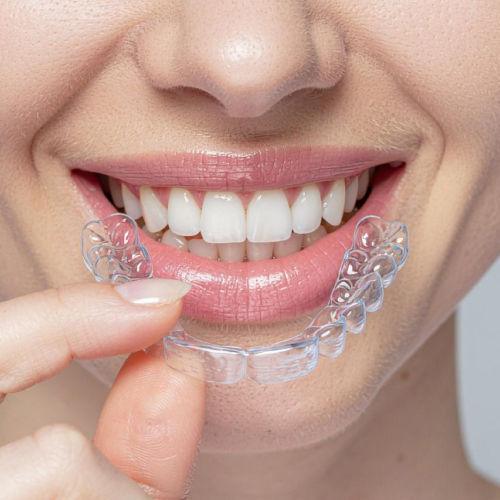
Why Your Invisalign Trays Aren't Fitting—And What to Do About It
Invisalign tray not fitting right in Cypress? Learn why gaps happen, what tracking means, and when refinements are needed. Call Cypress Family Dental.
Read More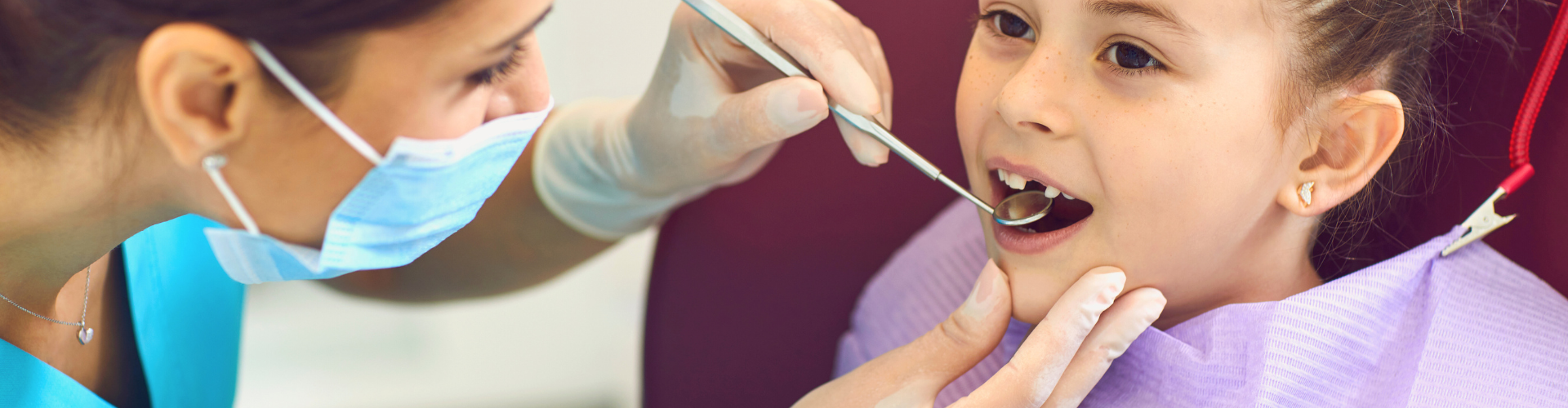
Baby teeth may be small, but they play a big role in your child’s health, comfort, and confidence. Still, cavities in children are one of the most common chronic conditions worldwide, even in kids who brush daily and seem to be doing everything right.
Many parents are surprised when a dentist points out a cavity. After all, their child brushes, avoids too much candy, and seems fine. But cavities in children often develop quietly. They can start early, progress quickly, and cause problems long before pain shows up.
Understanding why cavities happen, what to watch for, and how to prevent them puts parents in a much stronger position. At Cypress Family Dental, we see every dental visit as a chance to educate, reassure, and help families stay ahead of issues rather than reacting to them later.
This article takes a closer look at how cavities develop in children and what parents can do to protect those growing smiles.
Children’s teeth are different from adult teeth. The enamel on baby teeth is thinner and softer, which makes it easier for cavities to form and spread. Once decay starts, it can move faster than many parents expect.
Untreated cavities can lead to:
Cavities are not just a dental issue. They can impact a child’s overall wellbeing, school performance, and self confidence. The good news is that cavities are largely preventable with the right care and early attention.
This is one of the most common questions parents ask, and it is a fair one. Brushing is essential, but it is only part of the picture.
Here are several reasons cavities still develop:
1. Brushing technique matters more than brushing frequency: Many children rush through brushing or miss hard to reach areas like the back molars and along the gumline. Even when parents supervise, plaque can build up in places a quick brush does not reach.
2. Young teeth are more vulnerable: Baby teeth have thinner enamel, which means acids from plaque can cause damage more quickly than they would in adult teeth.
3. Sugar hides in everyday foods: Juice, flavored milk, crackers, dried fruit, granola bars, and even some yogurts contain sugars that feed cavity causing bacteria. It is not just candy that causes problems.
4. Frequent snacking gives bacteria more fuel: Every time a child eats or drinks something sugary or starchy, bacteria produce acids that attack the teeth. Constant snacking means teeth do not get a break to recover.
5. Not enough fluoride exposure: Fluoride strengthens enamel and helps prevent decay. If a child does not get enough fluoride through toothpaste, water, or professional treatments, their risk increases.
6. Genetics and oral bacteria play a role: Some children naturally have more cavity causing bacteria in their mouths. Others may have tooth shapes or grooves that trap food more easily.
Brushing every day is important, but cavities are often the result of multiple small factors working together over time.
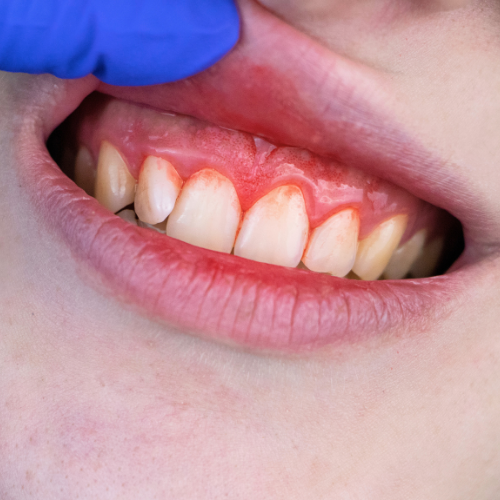
Cavities do not always cause pain right away. In fact, many early cavities are completely painless, which is why regular dental checkups are so important.
Early signs parents may overlook include:
Because children may not explain discomfort clearly, these subtle signs are easy to miss at home. A dental exam allows cavities to be caught early, when treatment is simpler and more comfortable.
Prevention is where parents have the most power. Small, consistent habits make a big difference over time.
Key ways to help prevent cavities include:
1. Make brushing a supervised habit: Children usually need help with brushing until around age seven or eight. Focus on:
2. Do not skip flossing: Cavities often start between teeth where brushes cannot reach. Once teeth touch, flossing should be part of the routine, even if it takes time to learn.
3. Be mindful of snacks and drinks: Rather than eliminating all treats, focus on balance.
4. Schedule regular dental visits: Routine checkups allow dentists to spot early changes and provide preventive care like cleanings and fluoride treatments.
5. Ask about dental sealants: Sealants are thin protective coatings placed on molars to block bacteria from deep grooves. They are highly effective for cavity prevention.
6. Create positive dental experiences: When children feel comfortable at the dentist, they are more likely to speak up about discomfort and maintain healthy habits as they grow.
Prevention works best when it starts early and stays consistent.
Some parents assume baby teeth are less important since they eventually fall out. In reality, baby teeth play several critical roles.
Baby teeth:
When baby teeth are lost too early due to cavities, it can lead to crowding, bite issues, and more complex dental needs later on.
Protecting baby teeth is an investment in your child’s future smile.
At Cypress Family Dental, caring for children goes beyond treating cavities. Our goal is to help families understand what is happening and feel confident about their child’s dental health.
During pediatric visits, we focus on:
We believe that education, prevention, and trust make all the difference.
Children should have their first dental visit by their first birthday or within six months of their first tooth appearing. From there, regular checkups help keep cavities in check.
You should also schedule a visit if:
Early visits build familiarity and reduce anxiety while giving dentists the chance to protect growing smiles.
Cavities in children are common, but they are not inevitable. With awareness, routine care, and the right dental support, most cavities can be prevented or caught early.
Pay attention to small changes, stay consistent with daily habits, and partner with a dental team that prioritizes prevention and education. Your child’s smile is worth it.
If you have questions about cavities or want to make sure your child’s teeth are on the right track, schedule an appointment with Cypress Family Dental today. We are here to help your child grow up with a healthy, confident smile.
Fresh news from the dental world



Mon - Fri 8AM - 5PM
Sat & Sun Closed
Check out what our patients are saying in Cypress...
..png)

“The Doctors Are Just Stellar”
The sweetest people work here, I'm convinced! The ladies at the front desk always go out of their way to be kind and helpful, the hygienists listen to your concerns and will address them to their best ability, and the doctors are just stellar. I drive over 40 min from where I live to go here because it's rare to find a dental office this fantastic.

“They Are So Efficient”
This is the best dentist I have been to and I have been to several. The team is professional and welcoming. They are never over-booked and I have never waited more than 5 minutes in the lobby. They are so efficient, no matter what I go in for, I am out in 45 minutes or less. I highly recommend Cypress Family Dental.

“A Very Pleasant Experience”
My visit to the Cypress Family Dental office today was a very pleasant experience. The front desk staff greeted me upon entering the office and efficiently confirmed my scheduled appointment. I'm seen within a short time by professional, knowledgeable and comfortable staff. They're open to various types of insurance and are flexible on terms. Overall, I would definitely recommend Cypress Family Dental.

“The Staff Did A Great Job”
Came to Cypress Family Dental a year ago for my sleep apnea device. No more snoring! The staff did a great job fitting me for this oral appliance. Better yet, they were there to support me when I needed some adjustments later on. The front office staff couldn't have been more accommodating to schedule me in. Easy to recommend.

“They Truly Care”
The dentist and his staff are wonderful people! In the past, I have had horrible experiences at other dentist offices and then I found this place and I don't think I would ever go anywhere else again. I live about 45 min away from their office but the drive is well worth it. They truly care about their patients. I would recommend this office to anyone.
..png)
“They're All Top Notch”
I'm so happy to have found this awesome dentist with an awesome staff. I am completely confident in the doctor's skill level, and completely comfortable relying on him to work on me without allowing me to experience unnecessary pain. In addition to having a good relationship with the dentist, being able to relate with the office staff is equally important to me. From the hygienist to the dental assistants to the front desk, they're all top notch.
“The Doctors Are Just Stellar”
The sweetest people work here, I'm convinced! The ladies at the front desk always go out of their way to be kind and helpful, the hygienists listen to your concerns and will address them to their best ability, and the doctors are just stellar. I drive over 40 min from where I live to go here because it's rare to find a dental office this fantastic.
“They Are So Efficient”
This is the best dentist I have been to and I have been to several. The team is professional and welcoming. They are never over-booked and I have never waited more than 5 minutes in the lobby. They are so efficient, no matter what I go in for, I am out in 45 minutes or less. I highly recommend Cypress Family Dental.
Check out our accreditations, sources, and relationships in the wide world of dentistry...


Check us out and follow our Cypress dental practice on social media...


