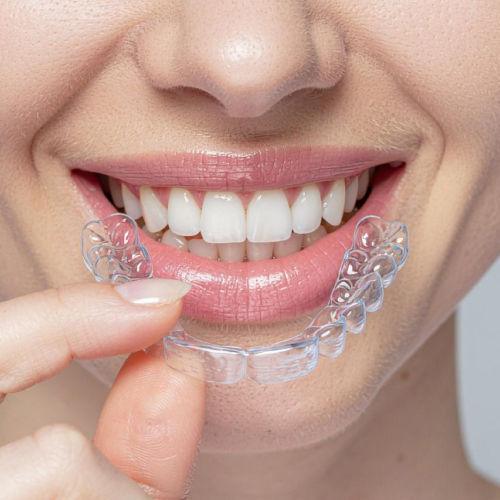
Why Your Invisalign Trays Aren't Fitting—And What to Do About It
Invisalign tray not fitting right in Cypress? Learn why gaps happen, what tracking means, and when refinements are needed. Call Cypress Family Dental.
Read More
When it comes to brushing your teeth, the humble toothbrush has sparked quite the debate. Some people swear by their trusty manual brush, while others insist their electric toothbrush is the only reason they’ve managed to avoid cavities. Both options have their place, but the real question is: which one is right for you?
The answer isn’t as simple as picking the latest gadget or sticking to what you grew up with. It comes down to your habits, your oral health needs, and yes, even your budget. Let’s break it down.
Plaque is the sticky film that builds up on your teeth after you eat or drink. Left unchecked, it can harden into tartar, lead to cavities, and irritate your gums. The big question is: which brush tackles plaque better?
In short, if you know you’re not always the most careful brusher, an electric toothbrush might give you the advantage you need.
Healthy gums are just as important as clean teeth. Gum disease often begins quietly, showing up as bleeding when you brush or mild inflammation that’s easy to ignore. Left untreated, it can progress into more serious problems like periodontal disease, which affects not only your gums but the bone supporting your teeth. This is why the way you brush and the tool you use matters.
Electric brushes can reduce gum problems more effectively. Research has consistently shown that electric toothbrushes, especially oscillating-rotating ones, reduce gingivitis and gum bleeding better than manual brushes. Their consistent, even motion helps clean along the gumline, one of the trickiest areas to reach and one of the most common spots where plaque builds up unnoticed. Because the brush head is doing the movement for you, there’s less chance of missing these sensitive areas.
They also encourage gentler brushing. Many people brush too hard with a manual toothbrush, thinking that scrubbing equals cleaner teeth. Unfortunately, that pressure can wear away enamel and irritate the gums. Electric brushes take away the temptation to “scrub,” because all you need to do is guide the brush and let it do the work. Some models even have pressure sensors that alert you when you’re pushing too hard, helping prevent long-term gum recession and tooth sensitivity.
Manual brushes can still protect your gums. The key with a manual brush is discipline. If you use the right technique—soft bristles, small circular motions, and a light touch—you can absolutely maintain healthy gums. Dentists often remind patients that it’s not just the tool, but how you use it, that makes the difference. However, this requires more focus and consistency, and many people simply fall back into bad habits like scrubbing or rushing.
Consistency wins either way. Whether you prefer electric or manual, what really matters is how consistently you’re brushing. Twice a day for two full minutes, combined with daily flossing, gives your gums the best chance to stay healthy. Still, for people who struggle with technique, electric toothbrushes provide a built-in safeguard that often leads to healthier gums over time.
In the end, both types of toothbrushes can support gum health, but electric brushes often make it easier and more effective, especially if you’ve been told by your dentist that you brush too aggressively or if you’re prone to gum irritation.
This is where the debate gets practical. Electric toothbrushes often cost significantly more than manual ones, especially when you factor in replacement heads. So, are they worth it?
Ultimately, whether an electric toothbrush is “worth it” depends on your habits. If you’re already a meticulous brusher, a manual brush might suit you fine. If you struggle with technique or motivation, the electric option could pay off in healthier teeth and gums down the road.
Here’s the bottom line: both electric and manual toothbrushes can do an excellent job if you use them properly. The choice comes down to personal preference, your brushing style, and your long-term goals for oral health.
If you’re unsure which option is right for you, that’s where professional advice comes in. At Cypress Family Dental, we’re here to help you choose the best tools and techniques to keep your smile healthy for years to come.
Fresh news from the dental world



Mon - Fri 8AM - 5PM
Sat & Sun Closed
Check out what our patients are saying in Cypress...
..png)

“The Doctors Are Just Stellar”
The sweetest people work here, I'm convinced! The ladies at the front desk always go out of their way to be kind and helpful, the hygienists listen to your concerns and will address them to their best ability, and the doctors are just stellar. I drive over 40 min from where I live to go here because it's rare to find a dental office this fantastic.

“They Are So Efficient”
This is the best dentist I have been to and I have been to several. The team is professional and welcoming. They are never over-booked and I have never waited more than 5 minutes in the lobby. They are so efficient, no matter what I go in for, I am out in 45 minutes or less. I highly recommend Cypress Family Dental.

“A Very Pleasant Experience”
My visit to the Cypress Family Dental office today was a very pleasant experience. The front desk staff greeted me upon entering the office and efficiently confirmed my scheduled appointment. I'm seen within a short time by professional, knowledgeable and comfortable staff. They're open to various types of insurance and are flexible on terms. Overall, I would definitely recommend Cypress Family Dental.

“The Staff Did A Great Job”
Came to Cypress Family Dental a year ago for my sleep apnea device. No more snoring! The staff did a great job fitting me for this oral appliance. Better yet, they were there to support me when I needed some adjustments later on. The front office staff couldn't have been more accommodating to schedule me in. Easy to recommend.

“They Truly Care”
The dentist and his staff are wonderful people! In the past, I have had horrible experiences at other dentist offices and then I found this place and I don't think I would ever go anywhere else again. I live about 45 min away from their office but the drive is well worth it. They truly care about their patients. I would recommend this office to anyone.
..png)
“They're All Top Notch”
I'm so happy to have found this awesome dentist with an awesome staff. I am completely confident in the doctor's skill level, and completely comfortable relying on him to work on me without allowing me to experience unnecessary pain. In addition to having a good relationship with the dentist, being able to relate with the office staff is equally important to me. From the hygienist to the dental assistants to the front desk, they're all top notch.
“The Doctors Are Just Stellar”
The sweetest people work here, I'm convinced! The ladies at the front desk always go out of their way to be kind and helpful, the hygienists listen to your concerns and will address them to their best ability, and the doctors are just stellar. I drive over 40 min from where I live to go here because it's rare to find a dental office this fantastic.
“They Are So Efficient”
This is the best dentist I have been to and I have been to several. The team is professional and welcoming. They are never over-booked and I have never waited more than 5 minutes in the lobby. They are so efficient, no matter what I go in for, I am out in 45 minutes or less. I highly recommend Cypress Family Dental.
Check out our accreditations, sources, and relationships in the wide world of dentistry...


Check us out and follow our Cypress dental practice on social media...


