Sedation dentistry can cause significant memory loss of your procedure, especially with midazolam-based sedation, but this amnesia often extends hours beyond the chair. Sedation does not block pain — your dentist still administers local anesthetic for that. Understanding both effects helps you prepare smarter.
Sedation Relaxes You. Local Anesthetic Stops Pain. They're Not the Same Thing.
For Cypress-area patients, this is the most common misconception patients bring to a sedation consultation. Sedation and pain control are two separate systems working in parallel — not one catch-all solution.
Sedative medications like midazolam (a benzodiazepine) work by enhancing GABA receptors in your brain, producing anxiolysis, relaxation, and memory suppression. They do not block pain signals traveling from your tooth through your nerve to your brain. As Healthline explains, sedation is categorized separately from local anesthesia — and for good reason. One targets your nervous system's anxiety response; the other targets the specific nerve pathways transmitting pain.
This means your dentist will always administer a local anesthetic (like lidocaine or articaine) alongside sedation. The sedation actually helps here: because you're deeply relaxed and your anxiety is chemically dampened, you're far less likely to flinch or feel distressed during the injection itself. The local block then does the heavy lifting, numbing the exact tooth and surrounding tissue so you feel nothing during drilling or tooth extraction.
What does this mean practically? You should never skip disclosing relevant health information to your dentist before sedation. Certain biological factors shift how well both components work. Patients with the MC1R gene mutation — natural redheads — are documented to require significantly higher doses of local anesthetic due to altered pain receptor sensitivity. Regular cannabis and alcohol users may also have desensitized GABA receptors, meaning standard sedative doses produce weaker amnesia and relaxation. Tell your dentist about substance use, hair color (yes, really), and any history of anesthesia resistance. It directly affects how your doses are calculated.
The Amnesia Window: Memory Loss Doesn't Stop When the Drill Does
Here's where most patients are genuinely surprised. They expect memory loss to be limited to the procedure itself. In reality, drugs like midazolam cause anterograde amnesia — an inability to form new memories — that persists for several hours after you leave the dental chair.
Research published in PubMed found that sedated patients demonstrated significantly greater amnesia for both the surgical procedure and stimuli presented during it, with higher doses producing more consistent memory erasure — particularly for later stages of treatment. But the amnesia window doesn't close the moment treatment ends.
This creates what's sometimes called the "sobriety illusion." You may walk to the car, hold a coherent conversation, and appear completely fine to your driver — while your brain is still in an anterograde amnesic state. You will likely have no memory of that conversation later.
This is exactly why dentists issue strict post-sedation restrictions:
- No signing legal documents for 24 hours
- No driving for the remainder of the day
- No managing your own medication schedule without a caregiver present
- No major financial decisions — including online purchases
Your designated driver should receive all post-op instructions directly, not just hand them to you. If you're given a written care sheet, your driver should read it independently. Assume that anything communicated to you in the first few hours post-sedation may not be retained. MedlinePlus notes that after conscious sedation, patients may feel drowsy and not remember much about their procedure — a reminder that the recovery window requires active caregiver involvement, not passive observation.
How Much Will You Actually Remember? It Depends on the Drug and Dose
Memory outcomes with sedation aren't uniform. A Healthline overview of conscious sedation distinguishes between minimal, moderate, and deep sedation levels — and memory retention varies considerably across these stages.
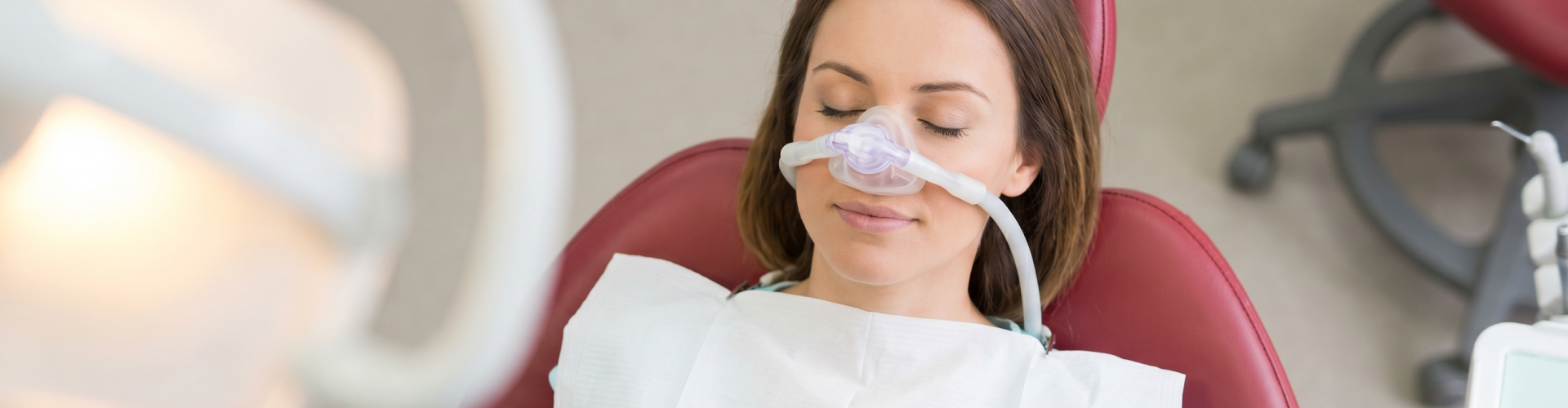
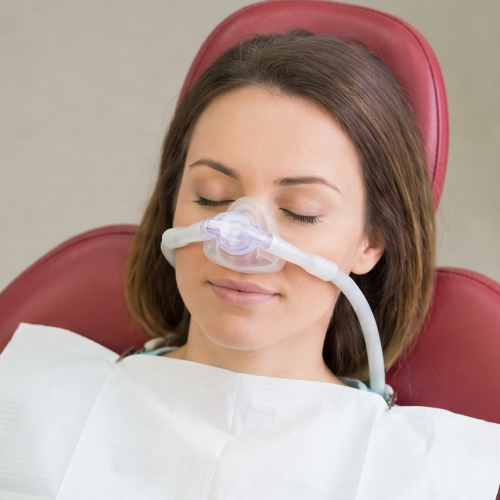
With nitrous oxide (laughing gas) at minimal sedation, most patients retain clear procedural memories. The gas wears off within minutes of removal, and recall is typically intact. With oral sedation using benzodiazepines like triazolam, recall becomes patchier — some patients remember portions, others remember nothing.
Intravenous midazolam produces the most reliable amnesia, though "reliable" isn't the same as "guaranteed." According to WebMD, IV sedation leaves patients awake but very relaxed, with significant memory suppression — but individual variation is real. Factors that influence how much you remember include:
- Dose administered — higher doses correlate with more complete amnesia
- Anxiety level before sedation — interestingly, pre-treatment anxiety doesn't reliably predict amnesia depth
- Individual metabolism — age, body weight, and liver function all affect how quickly sedatives are processed
- Timing of stimuli — memories formed immediately after sedation begins are more reliably erased than those from the final minutes of a procedure
The practical takeaway: don't plan to remember post-op instructions, parking location, or your discharge conversation. Plan for your escort to handle all of that.
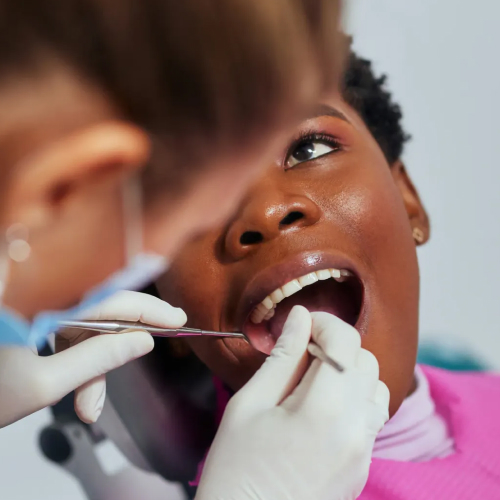
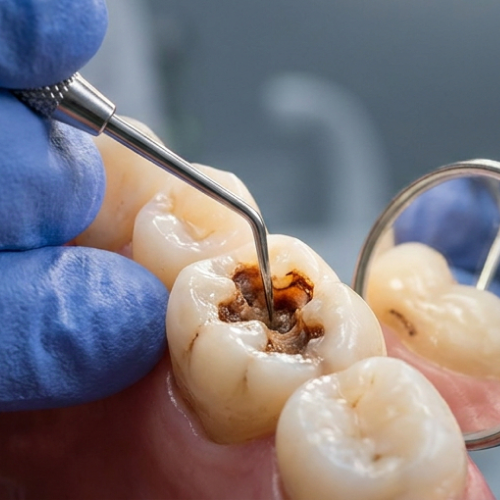
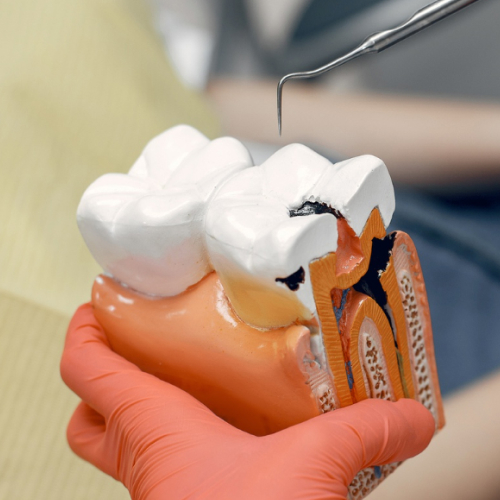
Sedation is also commonly used alongside restorative procedures such as cavity fillings or endodontic root canal treatment, where patient anxiety can otherwise make it difficult to complete care effectively. For patients who have been putting off routine visits, sedation options are also available during a cleaning and exam to help ease the experience from the very first appointment.
What Sedation Dentistry in Cypress Actually Looks Like
At Cypress Family Dental, patients in Cypress and the surrounding North Orange County area have access to sedation options tailored to their anxiety level, procedure complexity, and personal health profile. Our team reviews your complete health history — including any factors that might affect sedation or local anesthetic efficacy — before recommending an approach.
If you've avoided dental care because of fear, or if you've had a previous procedure where sedation "didn't seem to work," we want to hear about it. Those experiences are often explainable and correctable with proper pre-treatment assessment. Reach out to schedule a consultation — whether you need aesthetic dentistry or emergency care — and get your questions answered before you're ever in the chair.
Medical disclaimer: This article is for informational purposes only and does not constitute medical or dental advice. Sedation protocols vary by patient and procedure. Always consult a licensed dental professional to determine the appropriate sedation approach for your individual health needs.



..png)


..png)


