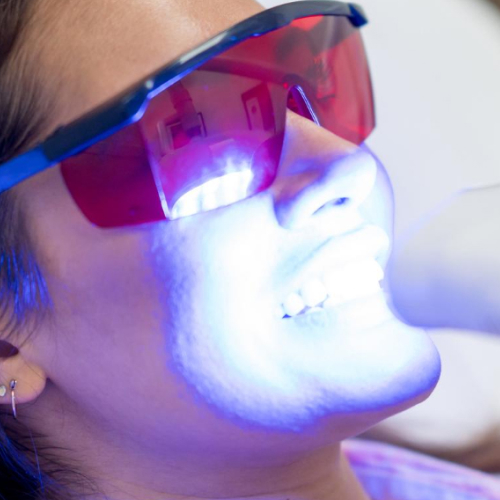
Teeth Whitening Before Veneers or Bonding: What You Need to Know First
Planning veneers or bonding? Discover why teeth whitening first is key for a seamless smile. Learn how long to wait and book with Cypress Family Dental today!
Read More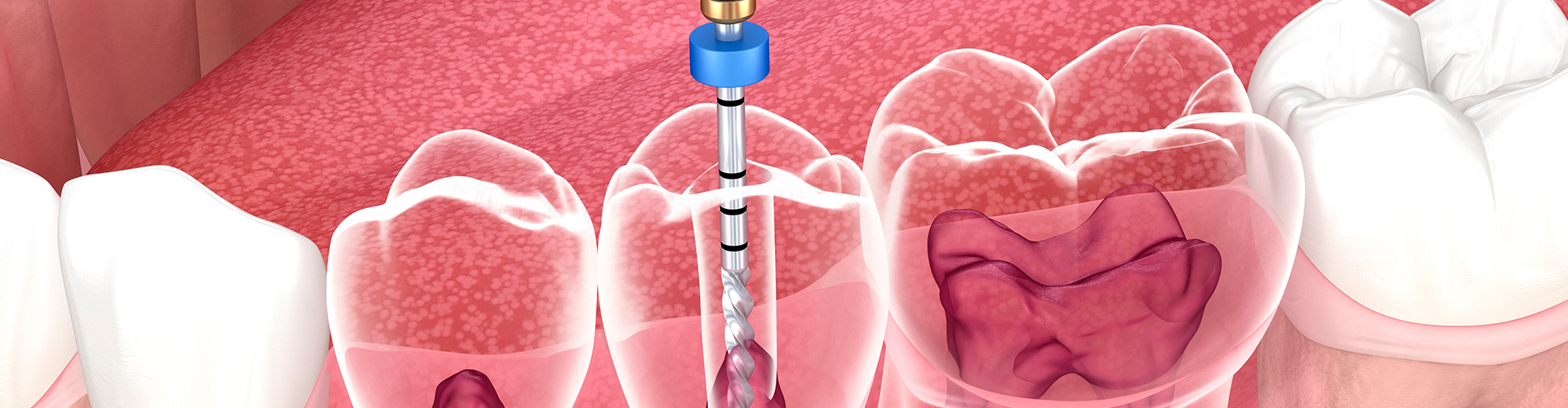
If you've been told you need a root canal, your first reaction might not be about the procedure itself; it’s usually about the cost. You’re not alone. Most people don’t exactly have “endodontic therapy” sitting in their monthly budget. And while root canals are often portrayed as intimidating (they’re not, by the way), what tends to surprise patients more is the price tag.
Here at Cypress Family Dental, we believe that understanding the value behind the numbers helps you make the best decision for your health and your wallet. So let’s break this down in a way that makes sense, without diving into exact figures, because root canal pricing can vary quite a bit depending on a few important things.
First, it helps to understand what a root canal actually involves. It’s not just “cleaning out a tooth.” Root canal therapy is a multi-step process that requires skill, precision, and time. Think of it as a rescue operation for your tooth.
A dentist or endodontist (a root canal specialist) removes the infected or damaged pulp tissue inside your tooth. Then the space is carefully disinfected, shaped, and filled to prevent future infections. That tooth is often topped with a crown to restore strength and appearance. It’s more than a quick fix. It’s a tooth-saving restoration.
So when it comes to cost, you’re paying for:
It’s not just a filling, it’s dental microsurgery. That level of care doesn’t come cheaply, but the alternative (like losing a tooth and needing an implant) can cost you far more in the long run.
Not all root canals are created equal. In fact, the price can swing significantly based on several practical factors.
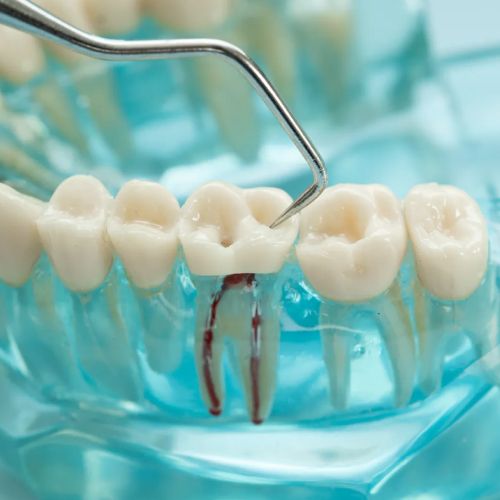
1. Which tooth is being treated: Front teeth (like incisors) usually have a single root, which makes them simpler and quicker to treat. Molars, on the other hand, can have multiple roots and curved canals, making the process more complex. The more roots involved, the more time and technique required.
Naturally, more complicated procedures will come with a higher cost.
2. The severity of the damage or infection: A tooth that’s just starting to show signs of trouble is typically easier to treat than one with advanced decay or an abscess. If your dentist has to work around additional challenges, like previous dental work or extensive infection, the process can take longer and may even require extra appointments or medication, which adds to the overall cost.
This is why early intervention is always best.
3. Who performs the procedure: Root canals can be done by general dentists or endodontists. Endodontists are specialists who focus solely on procedures involving the inner parts of the tooth. While they often charge more, their expertise may lead to more efficient procedures with a higher success rate, especially in complicated cases.
If your dentist recommends seeing a specialist, it’s usually for good reason.
4. Whether a crown is needed afterward: In many cases, a tooth that has undergone root canal therapy will need a dental crown to protect and reinforce it. That’s an additional step that comes with its own cost, and it’s important to factor that in when budgeting for the full treatment.
Some patients assume the root canal is a one-and-done procedure, but restoring the tooth is part of the process.
5. Your geographic location: This one may feel a little less personal, but it makes a difference. The cost of dental procedures can vary depending on where you live. Factors like local overhead, regional cost of living, and demand for dental services all play a role in pricing. A root canal in a small town might cost less than the same procedure in a major city.
That’s not something you can control, but it’s worth understanding when comparing prices.
6. Dental insurance coverage: If you have dental insurance, part of your root canal cost may be covered, though plans vary significantly. Some may cover a percentage of the procedure, while others may only contribute toward basic restorations. It’s best to check with your provider so you know exactly what to expect.
And if you don’t have insurance, ask your dentist about payment options. Many offices offer financing plans or phased treatments to help make care more affordable.
This is where things can get a little murky if you don’t ask the right questions. Not every dental practice includes the same services in their base pricing, so it’s smart to get clarity upfront. Here's what’s typically covered (and what you should check for):
1. Initial consultation and diagnostics: Before a root canal begins, your dentist needs to assess the tooth and confirm the diagnosis. This usually involves an exam and X-rays. Some practices include this in the total cost, while others charge separately.
At Cypress Family Dental, we’re upfront about what’s included so you’re not caught off guard.
2. The root canal procedure itself: This covers everything from numbing the area to removing the pulp, cleaning the canals, shaping the space, and filling it with biocompatible material. This is the bulk of the procedure and where most of your investment goes.
Be sure to ask whether the price includes every step of the process, not just the removal of infected tissue, but the sealing and restoration work as well.
3. Temporary and permanent restorations: If the tooth needs a crown, the cost of a temporary crown (if one is used) and the final crown may be billed separately. It’s also worth asking whether your dentist uses composite fillings or other materials for initial sealing before placing the final crown.
Some dental offices bundle the crown with the root canal cost, while others treat it as a separate service entirely.
4. Post-procedure care: After your root canal, follow-up care matters. Some patients may require additional appointments, medication, or evaluations to ensure proper healing. Depending on your situation, this could be included or billed separately.
You’ll want to know: if something doesn’t feel quite right afterward, is that follow-up visit covered?
5. Sedation or anesthesia options: Most root canals are performed using local anesthesia, which is typically included. But if you’re especially anxious and request additional sedation options (like oral sedation or nitrous oxide), those services may come at an added cost.
Discuss your comfort preferences beforehand so you know what to expect.
We get it, root canals have a reputation for being expensive. And we’re not here to pretend that the cost doesn’t matter. But we are here to remind you that saving a natural tooth is almost always the best option when it’s possible.
Tooth loss has a domino effect. It changes your bite, affects surrounding teeth, and often leads to more expensive treatments down the road. A root canal is an investment in your long-term dental health, and it often pays off by helping you avoid more invasive or costly procedures.
At Cypress Family Dental, we’re committed to transparency, comfort, and care that actually works for your life. If you’re dealing with tooth pain or suspect an infection, don’t wait. We’ll walk you through your options, explain everything clearly, and help you make a decision that’s both smart and sustainable.
Schedule your consultation today and take the first step toward relief and a healthier smile.
Fresh news from the dental world






Mon - Fri 8AM - 5PM
Sat & Sun Closed
Check out what our patients are saying in Cypress...
..png)

“They're All Top Notch”
I'm so happy to have found this awesome dentist with an awesome staff. I am completely confident in the doctor's skill level, and completely comfortable relying on him to work on me without allowing me to experience unnecessary pain. In addition to having a good relationship with the dentist, being able to relate with the office staff is equally important to me. From the hygienist to the dental assistants to the front desk, they're all top notch.

“A Very Pleasant Experience”
My visit to the Cypress Family Dental office today was a very pleasant experience. The front desk staff greeted me upon entering the office and efficiently confirmed my scheduled appointment. I'm seen within a short time by professional, knowledgeable and comfortable staff. They're open to various types of insurance and are flexible on terms. Overall, I would definitely recommend Cypress Family Dental.

“They Are So Efficient”
This is the best dentist I have been to and I have been to several. The team is professional and welcoming. They are never over-booked and I have never waited more than 5 minutes in the lobby. They are so efficient, no matter what I go in for, I am out in 45 minutes or less. I highly recommend Cypress Family Dental.

“The Staff Did A Great Job”
Came to Cypress Family Dental a year ago for my sleep apnea device. No more snoring! The staff did a great job fitting me for this oral appliance. Better yet, they were there to support me when I needed some adjustments later on. The front office staff couldn't have been more accommodating to schedule me in. Easy to recommend.
..png)
“The Doctors Are Just Stellar”
The sweetest people work here, I'm convinced! The ladies at the front desk always go out of their way to be kind and helpful, the hygienists listen to your concerns and will address them to their best ability, and the doctors are just stellar. I drive over 40 min from where I live to go here because it's rare to find a dental office this fantastic.

“They Truly Care”
The dentist and his staff are wonderful people! In the past, I have had horrible experiences at other dentist offices and then I found this place and I don't think I would ever go anywhere else again. I live about 45 min away from their office but the drive is well worth it. They truly care about their patients. I would recommend this office to anyone.
“They're All Top Notch”
I'm so happy to have found this awesome dentist with an awesome staff. I am completely confident in the doctor's skill level, and completely comfortable relying on him to work on me without allowing me to experience unnecessary pain. In addition to having a good relationship with the dentist, being able to relate with the office staff is equally important to me. From the hygienist to the dental assistants to the front desk, they're all top notch.
“A Very Pleasant Experience”
My visit to the Cypress Family Dental office today was a very pleasant experience. The front desk staff greeted me upon entering the office and efficiently confirmed my scheduled appointment. I'm seen within a short time by professional, knowledgeable and comfortable staff. They're open to various types of insurance and are flexible on terms. Overall, I would definitely recommend Cypress Family Dental.
Check out our accreditations, sources, and relationships in the wide world of dentistry...


Check us out and follow our Cypress dental practice on social media...


