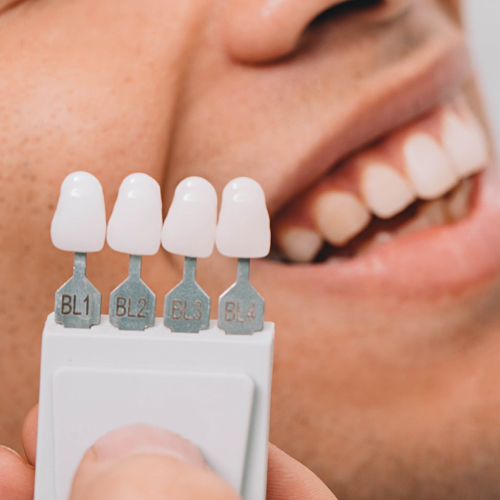
Veneers vs. Crowns vs. Dentures: Which Restoration Is Actually Right for You?
Is it better to get veneers or crowns? What about dentures? Compare dental restorations and find the best fit for your smile at Cypress Family Dental.
Read More
It happens when you least expect it—a sip of your favorite iced coffee or a spoonful of hot soup sends a jolt of discomfort through your teeth. If this scenario sounds familiar, you’re not alone. Tooth sensitivity to hot and cold temperatures is more common than you might think. While it may seem like a minor inconvenience, it can sometimes signal a more serious underlying dental issue, like the need for a root canal.
At Cypress Family Dental, we believe in addressing the root (pun intended) of the problem. Let’s explore why your teeth might be sensitive, how to keep sensitivity at bay, and when it’s time to give us a call.
Tooth sensitivity occurs when the protective layer of your teeth, called enamel, is compromised, or when your gums recede, exposing the underlying dentin. Dentin contains microscopic tubules that lead directly to your tooth’s nerve, making it highly sensitive to changes in temperature. This sensitivity can turn simple activities like sipping a hot beverage or enjoying an ice cream cone into a painful experience.
Here’s a closer look at the common culprits behind tooth sensitivity:
1. Tooth Decay or Cavities: Small cavities might not seem like a big deal at first, but they can become problematic if left untreated. When decay breaches the enamel, it exposes the dentin underneath, which is far more sensitive. This is often why you might feel a sudden, sharp pain when hot or cold food comes into contact with a cavity.
2. Gum Recession: Your gums play a crucial role in protecting the sensitive roots of your teeth. However, over time, factors like gum disease, aggressive brushing, or even genetics can cause the gums to recede. When the roots of your teeth are exposed, they lack the enamel protection of the crowns and become more vulnerable to sensitivity.
3. Cracked Teeth: Tiny cracks in your teeth can form from habits like grinding, clenching, or chewing hard objects like ice or popcorn kernels. Even if the cracks are not visible to the naked eye, they can allow temperature changes or bacteria to reach the inner layers of your tooth, triggering pain.
4. Worn Enamel: Enamel erosion is a common issue caused by several factors. Consuming acidic foods and drinks—such as soda, citrus fruits, and wine—can gradually weaken your enamel. Similarly, brushing too hard or using a toothbrush with hard bristles can wear away the protective layer. Over time, this erosion leaves the sensitive dentin exposed, making your teeth more susceptible to temperature changes.
5. Dental Procedures: Sensitivity can sometimes be a side effect of dental treatments. Procedures like teeth whitening, fillings, or crowns can temporarily irritate the nerves inside your teeth. While this type of sensitivity usually subsides on its own, it’s important to monitor it and consult your dentist if it persists.
6. Infections: More severe cases of sensitivity can stem from dental infections, such as an abscess or inflamed pulp tissue inside the tooth. This type of pain is often intense and may come with other symptoms like swelling, bad breath, or fever. These infections often require immediate dental attention and may necessitate a root canal to resolve the issue.
7. Bruxism (Teeth Grinding): Bruxism is the unconscious grinding or clenching of teeth, often during sleep. Over time, this habit can wear down enamel, crack teeth, or contribute to gum recession—all of which can lead to sensitivity.
8. Natural Aging: As we age, our enamel naturally wears down due to years of use. This gradual erosion can make teeth more sensitive over time, particularly to hot or cold temperatures.
The good news is that tooth sensitivity isn’t always inevitable. Simple changes in your oral care routine can go a long way in keeping your teeth strong and healthy.
Here’s how you can protect your smile:
Prevention is key, but if you’re already experiencing sensitivity, it’s important not to ignore it. Some cases require professional treatment to alleviate discomfort and prevent further damage.
Not all sensitivity is a cause for alarm, but persistent or severe discomfort should never be ignored. Here are some signs it’s time to schedule an appointment:
At Cypress Family Dental, we offer a variety of solutions to treat sensitivity, from desensitizing treatments to root canals for more serious cases.
If sensitivity stems from damage or infection deep within your tooth, a root canal might be the answer. Despite their reputation, root canals are highly effective at relieving pain and saving your natural tooth. During the procedure, we remove the infected or inflamed pulp, clean the inside of the tooth, and seal it to prevent further issues. With advancements in dental technology, the process is no more uncomfortable than getting a filling.
Tooth sensitivity can be a hassle, but you don’t have to live with it. Whether you need preventive care or treatment for a more complex issue, the team at Cypress Family Dental is here to help.
Schedule a cleaning and exam today to uncover the cause of your discomfort and take steps toward lasting relief. Contact us now, and let’s keep your smile strong, healthy, and pain-free!
Fresh news from the dental world



Mon - Fri 8AM - 5PM
Sat & Sun Closed
Check out what our patients are saying in Cypress...
..png)

“The Doctors Are Just Stellar”
The sweetest people work here, I'm convinced! The ladies at the front desk always go out of their way to be kind and helpful, the hygienists listen to your concerns and will address them to their best ability, and the doctors are just stellar. I drive over 40 min from where I live to go here because it's rare to find a dental office this fantastic.

“They Are So Efficient”
This is the best dentist I have been to and I have been to several. The team is professional and welcoming. They are never over-booked and I have never waited more than 5 minutes in the lobby. They are so efficient, no matter what I go in for, I am out in 45 minutes or less. I highly recommend Cypress Family Dental.

“A Very Pleasant Experience”
My visit to the Cypress Family Dental office today was a very pleasant experience. The front desk staff greeted me upon entering the office and efficiently confirmed my scheduled appointment. I'm seen within a short time by professional, knowledgeable and comfortable staff. They're open to various types of insurance and are flexible on terms. Overall, I would definitely recommend Cypress Family Dental.

“They Truly Care”
The dentist and his staff are wonderful people! In the past, I have had horrible experiences at other dentist offices and then I found this place and I don't think I would ever go anywhere else again. I live about 45 min away from their office but the drive is well worth it. They truly care about their patients. I would recommend this office to anyone.

“The Staff Did A Great Job”
Came to Cypress Family Dental a year ago for my sleep apnea device. No more snoring! The staff did a great job fitting me for this oral appliance. Better yet, they were there to support me when I needed some adjustments later on. The front office staff couldn't have been more accommodating to schedule me in. Easy to recommend.
..png)
“They're All Top Notch”
I'm so happy to have found this awesome dentist with an awesome staff. I am completely confident in the doctor's skill level, and completely comfortable relying on him to work on me without allowing me to experience unnecessary pain. In addition to having a good relationship with the dentist, being able to relate with the office staff is equally important to me. From the hygienist to the dental assistants to the front desk, they're all top notch.
“The Doctors Are Just Stellar”
The sweetest people work here, I'm convinced! The ladies at the front desk always go out of their way to be kind and helpful, the hygienists listen to your concerns and will address them to their best ability, and the doctors are just stellar. I drive over 40 min from where I live to go here because it's rare to find a dental office this fantastic.
“They Are So Efficient”
This is the best dentist I have been to and I have been to several. The team is professional and welcoming. They are never over-booked and I have never waited more than 5 minutes in the lobby. They are so efficient, no matter what I go in for, I am out in 45 minutes or less. I highly recommend Cypress Family Dental.
Check out our accreditations, sources, and relationships in the wide world of dentistry...


Check us out and follow our Cypress dental practice on social media...


