Why Your Invisalign Trays Aren't Fitting—And What to Do About It
Invisalign tray not fitting right in Cypress? Learn why gaps happen, what tracking means, and when refinements are needed. Call Cypress Family Dental.
Read More
Most people have had bad breath at some point. Maybe it was morning breath, a strong lunch, or a dry mouth day after too much coffee. That is normal.
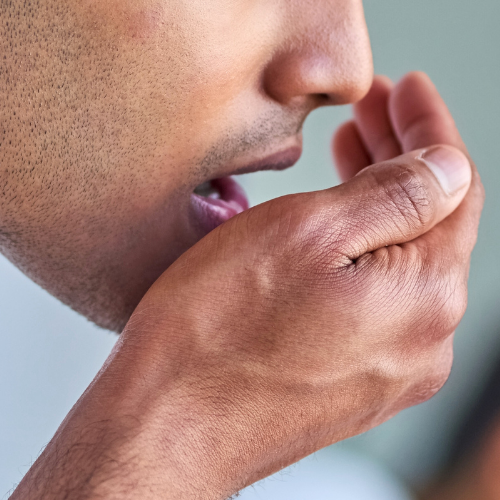
But halitosis, which is the clinical term for ongoing bad breath, is different. It can linger even after brushing, flossing, mouthwash, and gum. It can be frustrating, embarrassing, and confusing, especially when you feel like you are doing everything right.
The good news is that bad breath is often treatable once you find the real cause. In many cases, the source is in the mouth, but sometimes it can point to something else going on in the body.
At Cypress Family Dental, we help patients get to the root of bad breath and halitosis with a thorough, practical approach. Instead of masking the smell, we focus on what is causing it so you can enjoy fresher breath and better oral health long term.
Bad breath usually comes from odor-producing bacteria. These bacteria break down food particles, dead cells, and debris in the mouth and release sulfur compounds that create unpleasant smells.
A few common reasons this happens include:
This is why bad breath and halitosis are not always solved by brushing alone. If the underlying source is still there, the odor keeps coming back.
A lot of people also do not realize that the tongue is one of the biggest contributors to bad breath. Bacteria and debris can collect on the surface, especially toward the back, and create a persistent odor.
If you are brushing and flossing consistently but still notice bad breath, you are not imagining it. There are several reasons bad breath and halitosis can continue even with good habits.
Brushing and flossing clean the teeth and between the teeth, but they do not fully remove the buildup that can sit on the tongue. A coated tongue can hold bacteria and cause a strong odor.
Try this: Use a tongue scraper or gently brush your tongue daily.
Saliva helps wash away bacteria and food particles. When your mouth is dry, odors build up faster.
Common causes of dry mouth include:
People often notice worse bad breath in the morning because saliva flow drops during sleep.
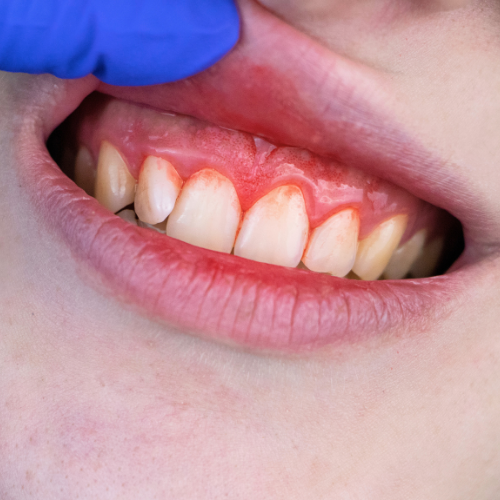
Even if your teeth look clean, bacteria may be building up around or under the gums. Gum inflammation and periodontal disease are very common causes of halitosis.
Signs to watch for include:
A cavity, cracked tooth, failing filling, or infected area can collect debris and bacteria in places your toothbrush cannot reach. This can create ongoing bad breath that keeps returning.
Some patients have small deposits called tonsil stones that collect in the tonsils. They can cause a strong odor and a recurring bad breath problem, even when oral hygiene is good.
Some mouthwashes freshen breath temporarily but do not treat the source of halitosis. In some cases, alcohol-based rinses can even dry out the mouth and make bad breath worse later.
Bottom line: If bad breath continues after brushing and flossing, the problem may be deeper than your daily routine and worth a dental exam.
The best way to get rid of halitosis permanently is to treat the cause, not just cover it up.
There is no one-size-fits-all fix, because bad breath and halitosis can come from different sources. What works for one person may not work for another. That is why a personalized dental evaluation matters.
Here is what long-term halitosis treatment usually looks like:
A dental visit is often the fastest way to identify what is driving the odor. At Cypress Family Dental, your visit may include checking for:
A professional cleaning can remove hardened buildup that brushing and flossing cannot remove at home.
Small changes can make a big difference when it comes to bad breath and halitosis.
A strong routine includes:
If you wear appliances and do not clean them thoroughly, bacteria and odor can build up on them too.
If halitosis is linked to gum disease, the odor often improves only after the gums are treated. Depending on the severity, this may include deep cleaning and periodontal care.
This is one reason some people struggle with bad breath for years. They are trying breath mints and mouthwash when the real issue is gum health.
If dry mouth is part of the problem, long-term relief may involve:
If the source is a cavity, infected tooth, or damaged filling or crown, the odor usually does not go away until that problem is treated.
Sometimes halitosis has a non-dental cause. If your mouth is healthy but bad breath continues, your dentist may recommend a medical evaluation.
The key to permanent improvement is proper diagnosis. Once you know the source, treatment becomes much more effective.
Most bad breath and halitosis cases begin in the mouth, but not all of them do. In some situations, persistent bad breath can be a sign of an underlying health issue.
This does not mean you should panic, but it does mean you should pay attention if bad breath is ongoing and not improving with good oral care and dental treatment.
Some health-related causes may include:
For example, postnasal drip can feed bacteria in the throat and cause persistent odor. Acid reflux can bring stomach acid upward, affecting breath odor and sometimes oral health. Diabetes can also affect breath in specific ways and should be evaluated medically if suspected.
You should consider a dental exam first, but additional medical follow-up may be needed if:
A dentist can help rule out oral causes and guide you on next steps. In many cases, dental and medical care work together to solve the problem.
Even when there is no major dental problem, certain habits can keep bad breath and halitosis going.
Common triggers include:
You do not need a perfect routine to improve your breath, but consistency matters. A few simple daily changes can support fresher breath and reduce the bacteria that cause odor.
If bad breath lasts more than a short period, keeps coming back, or is affecting your confidence, it is time to get it checked.
You should schedule an appointment if:
Persistent bad breath and halitosis are common, and you are not the only one dealing with it. The important thing is not to ignore it.
Bad breath can feel like a small issue, but when it sticks around, it is often your body asking for attention. Whether the cause is plaque buildup, gum disease, dry mouth, or something outside the mouth, the right diagnosis can make all the difference.
At Cypress Family Dental, we can help identify the cause of bad breath and halitosis and recommend treatment that actually addresses the problem, not just the symptoms.
Fresh news from the dental world




Mon - Fri 8AM - 5PM
Sat & Sun Closed
Check out what our patients are saying in Cypress...
..png)

“The Doctors Are Just Stellar”
The sweetest people work here, I'm convinced! The ladies at the front desk always go out of their way to be kind and helpful, the hygienists listen to your concerns and will address them to their best ability, and the doctors are just stellar. I drive over 40 min from where I live to go here because it's rare to find a dental office this fantastic.

“They Are So Efficient”
This is the best dentist I have been to and I have been to several. The team is professional and welcoming. They are never over-booked and I have never waited more than 5 minutes in the lobby. They are so efficient, no matter what I go in for, I am out in 45 minutes or less. I highly recommend Cypress Family Dental.

“A Very Pleasant Experience”
My visit to the Cypress Family Dental office today was a very pleasant experience. The front desk staff greeted me upon entering the office and efficiently confirmed my scheduled appointment. I'm seen within a short time by professional, knowledgeable and comfortable staff. They're open to various types of insurance and are flexible on terms. Overall, I would definitely recommend Cypress Family Dental.

“The Staff Did A Great Job”
Came to Cypress Family Dental a year ago for my sleep apnea device. No more snoring! The staff did a great job fitting me for this oral appliance. Better yet, they were there to support me when I needed some adjustments later on. The front office staff couldn't have been more accommodating to schedule me in. Easy to recommend.

“They Truly Care”
The dentist and his staff are wonderful people! In the past, I have had horrible experiences at other dentist offices and then I found this place and I don't think I would ever go anywhere else again. I live about 45 min away from their office but the drive is well worth it. They truly care about their patients. I would recommend this office to anyone.
..png)
“They're All Top Notch”
I'm so happy to have found this awesome dentist with an awesome staff. I am completely confident in the doctor's skill level, and completely comfortable relying on him to work on me without allowing me to experience unnecessary pain. In addition to having a good relationship with the dentist, being able to relate with the office staff is equally important to me. From the hygienist to the dental assistants to the front desk, they're all top notch.
“The Doctors Are Just Stellar”
The sweetest people work here, I'm convinced! The ladies at the front desk always go out of their way to be kind and helpful, the hygienists listen to your concerns and will address them to their best ability, and the doctors are just stellar. I drive over 40 min from where I live to go here because it's rare to find a dental office this fantastic.
“They Are So Efficient”
This is the best dentist I have been to and I have been to several. The team is professional and welcoming. They are never over-booked and I have never waited more than 5 minutes in the lobby. They are so efficient, no matter what I go in for, I am out in 45 minutes or less. I highly recommend Cypress Family Dental.
Check out our accreditations, sources, and relationships in the wide world of dentistry...


Check us out and follow our Cypress dental practice on social media...


