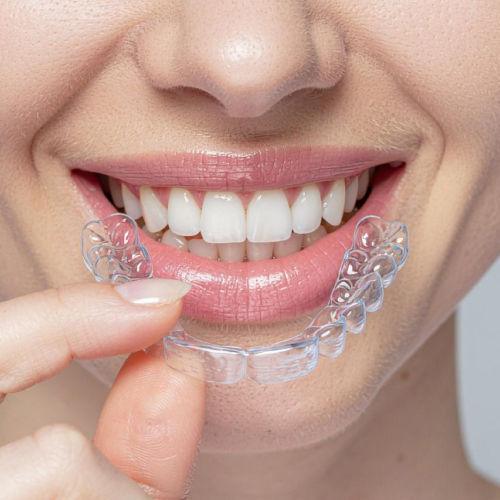
Why Your Invisalign Trays Aren't Fitting—And What to Do About It
Invisalign tray not fitting right in Cypress? Learn why gaps happen, what tracking means, and when refinements are needed. Call Cypress Family Dental.
Read More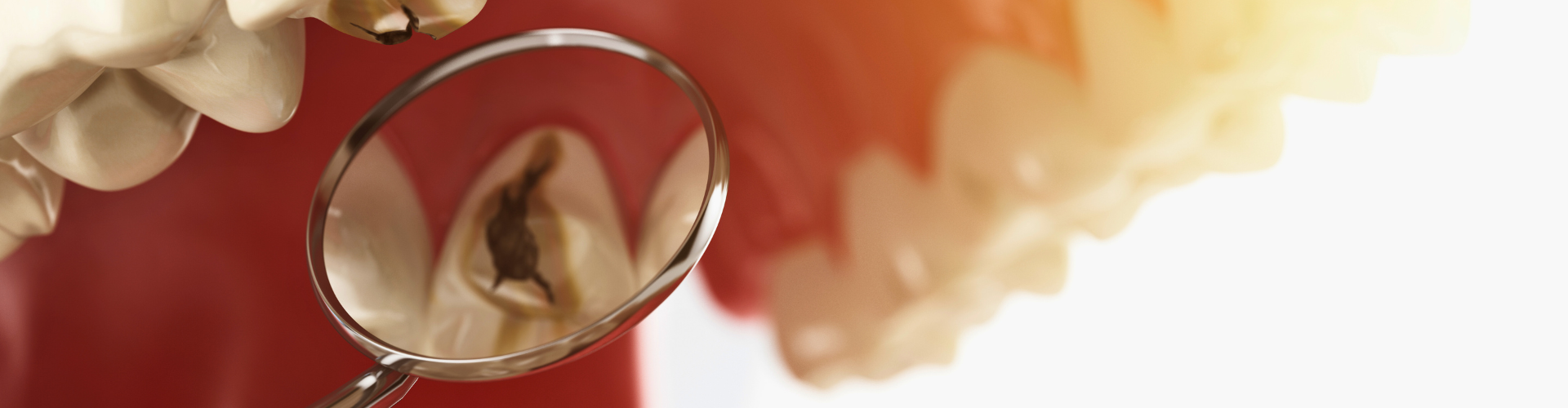
Most people expect a cavity to announce itself with sharp pain, throbbing, or a sudden moment in the middle of a meal when something feels “off.” But the truth is cavities rarely start loud. They begin quietly. They show up in subtle shifts in your tooth’s sensitivity, changes in the way your bite feels, tiny spots you can barely see, or a dull ache that keeps popping in and out like an unreliable houseguest.
At Cypress Family Dental, we meet patients every day who are surprised when we show them a cavity on their x rays. Some had mild symptoms that didn’t seem worth a visit. Others had no pain at all. And a few had been chalking up the discomfort to stress, cold weather, or their toothbrush being “too old.” The funny thing is many of these early symptoms are your teeth doing a great job at communicating. Most people just don’t speak the language yet.
This blog walks you through what cavities look and feel like at different stages, how to decode early warning signs, and what your mouth is trying to tell you long before the pain arrives. By the end, you’ll know when to simply watch a symptom, when to take action, and when it’s time to schedule an appointment at Cypress Family Dental so we can keep your smile strong and healthy.
Let’s dive into what your teeth might be trying to whisper to you.
Once decay breaks through the enamel and reaches the dentin layer, symptoms become more noticeable. This is usually when patients realize something is wrong.
Lingering sensitivity: Unlike the quick “zing” of an early cavity, more advanced cavities create sensitivity that lasts. Cold drinks may cause discomfort that sticks around for ten seconds or more. This lingering response is a classic sign that decay is progressing.
Occasional mild toothache: A tooth that aches on and off is one of the most overlooked cavity symptoms. People often think the pain is from grinding, stress, or sinus pressure. While those can cause discomfort, intermittent pain in a single tooth often means the cavity is growing.
Food getting stuck in one area: Cavities can create tiny pockets that trap food. If you notice you’re flossing the same spot constantly or something always lodges between two teeth, that area might have a cavity forming between the teeth.
Sensitivity to sweets even without visible decay: When the dentin is exposed, sugar hits the nerve faster. If sweets cause discomfort that’s more intense than before, that is a sign of deeper decay.
A dull ache when chewing: If you feel pressure, tenderness, or mild pain when biting down, especially on one tooth, it could be because decay has reached the inner layers. It does not need to be severe to be a concern.
At this stage, the cavity becomes impossible to ignore. The nerve is irritated and inflammation builds up inside the tooth.
Sharp pain: This is the pain most people imagine when they think of cavities. It ranges from quick jolts to extended throbbing and usually signals that the decay is deep.
Sensitivity to heat: Heat sensitivity is a red flag. Cold sensitivity can occur at many stages, but heat sensitivity often means the nerve is inflamed. This is usually the point where a filling may not be enough and a root canal becomes necessary.
Persistent toothache: A throbbing pain that keeps coming back or wakes you up is a sign that bacteria have reached the inner pulp where the nerve lives. This requires immediate attention.
Visible holes or dark spots: Once a cavity is advanced enough to be clearly visible, it’s almost always past the point of early intervention.
Yes, and this surprises many people.
Cavities do not need to be painful to be active. In fact, most small cavities create mild symptoms that people often dismiss because they feel “too small” to matter.
Here are common symptoms of very small cavities:
• Sensitivity to cold in just one tooth
• Sweet sensitivity
• A small surface roughness that won’t go away
• A faint discoloration that looks like a shadow
• Food sticking between two teeth
• Occasional brief twinges when chewing
These symptoms are meaningful precisely because they are inconsistent. A tooth does not need to hurt badly for something to be wrong.
Think of small cavities like early cracks in a windshield. You do not wait for the entire glass to break before addressing it. Catching the problem now saves time, money, and discomfort later.
Cavity pain is rarely constant in the beginning. It comes and goes for several reasons.
Temperature changes: Your teeth naturally expand and contract. A tooth with weakened enamel reacts more strongly to hot and cold foods. This can make symptoms show up during meals and disappear later.
Irritation from eating and drinking: Sugar, acidic foods, and cold beverages irritate exposed dentin. Once the irritation fades, the symptoms disappear until the next trigger.
Bacterial activity varies throughout the day: Bacteria feed on leftover food particles and produce acids. These acids irritate the tooth. The activity level fluctuates depending on what you eat, how often you rinse or brush, and how long food stays trapped.
Inflammation rises and falls: When the nerve becomes mildly irritated, inflammation cycles. Some hours feel normal. Other times the pressure builds and creates discomfort.
The biggest misunderstanding is thinking that “pain disappearing” means the cavity has healed. Cavities never heal on their own. The symptoms simply fluctuate until the decay becomes severe enough to stay constant.
Tooth sensitivity has many causes, but there are practical ways to distinguish them.
Sensitivity from a cavity often affects one specific tooth: Cavities are usually isolated. If you experience sensitivity in only one tooth, especially in the same exact spot each time, that is more consistent with decay.
Enamel erosion usually affects multiple teeth: Acid reflux, acidic drinks, over brushing, and teeth whitening can thin enamel across several teeth. If sensitivity feels widespread, erosion is a more likely cause.
Cavity sensitivity is triggered by sweetness: Sensitivity to sugary foods is a hallmark of cavities because sugar irritates exposed dentin. Enamel erosion does not create this specific sweet reaction.
Cavities cause lingering discomfort: Erosion-related sensitivity fades quickly. Cavity-related sensitivity stays longer and may come with mild aches or pressure when chewing.
Cavities often come with food trapping: If food frequently gets stuck in a particular spot, a cavity or early decay between the teeth is possible.
A dentist can easily confirm the difference: Dental exams, x rays, and a clinical check make it clear whether you are dealing with decay or general enamel wear. In many cases, patients think they have erosion when the issue is actually a tiny cavity starting between two teeth.
Cavities do not pause or reverse on their own. Ignoring symptoms lets the decay move deeper and can lead to:
• Larger fillings
• Cracks in weakened enamel
• Root canal treatment
• Infections
• Tooth extraction
• Pain that becomes constant
• Higher treatment costs
• More complicated procedures
Early treatment, on the other hand, keeps things simple. Small cavities can be fixed gently, often without injections. It is quick, comfortable, and prevents future problems.
Our goal is always to preserve your natural tooth structure and address cavities early. Depending on the stage of decay, treatment may include:
Remineralization for very early decay: Some early enamel demineralization can be reversed with fluoride, improved oral hygiene, and dietary adjustments.
Fillings for mild to moderate decay: Tooth colored fillings restore strength and prevent decay from spreading.
Inlays or onlays for larger cavities: These are stronger restorations used when a simple filling is not enough but a crown is not yet necessary.
Crowns for significant decay: Crowns protect teeth that have lost substantial structure to decay.
Root canal treatments for deep decay: If the decay reaches the nerve, a root canal removes the infection and saves the tooth.
Our team always focuses on comfort and early detection, which is why routine exams are so important.
It’s time to book an appointment at Cypress Family Dental if you notice any of the following:
• Sensitivity in just one tooth
• Pain that comes and goes
• Sweet sensitivity
• Food trapping in the same spot
• Rough patches on a tooth
• Visible spots or shadows
• Pain when chewing
• Lingering sensitivity
• Heat sensitivity
• Noticeable holes
• Persistent bad breath
• A strange taste around one tooth
Even if the symptoms feel minor, they matter. Cavities are easiest to treat when caught early.
If your teeth are showing any of these signs or if it has been a while since your last dental exam, now is the perfect time to schedule an appointment. Cavities rarely fix themselves, but they are simple to treat when handled early.
Fresh news from the dental world



Mon - Fri 8AM - 5PM
Sat & Sun Closed
Check out what our patients are saying in Cypress...
..png)

“The Doctors Are Just Stellar”
The sweetest people work here, I'm convinced! The ladies at the front desk always go out of their way to be kind and helpful, the hygienists listen to your concerns and will address them to their best ability, and the doctors are just stellar. I drive over 40 min from where I live to go here because it's rare to find a dental office this fantastic.

“They Are So Efficient”
This is the best dentist I have been to and I have been to several. The team is professional and welcoming. They are never over-booked and I have never waited more than 5 minutes in the lobby. They are so efficient, no matter what I go in for, I am out in 45 minutes or less. I highly recommend Cypress Family Dental.

“A Very Pleasant Experience”
My visit to the Cypress Family Dental office today was a very pleasant experience. The front desk staff greeted me upon entering the office and efficiently confirmed my scheduled appointment. I'm seen within a short time by professional, knowledgeable and comfortable staff. They're open to various types of insurance and are flexible on terms. Overall, I would definitely recommend Cypress Family Dental.

“The Staff Did A Great Job”
Came to Cypress Family Dental a year ago for my sleep apnea device. No more snoring! The staff did a great job fitting me for this oral appliance. Better yet, they were there to support me when I needed some adjustments later on. The front office staff couldn't have been more accommodating to schedule me in. Easy to recommend.

“They Truly Care”
The dentist and his staff are wonderful people! In the past, I have had horrible experiences at other dentist offices and then I found this place and I don't think I would ever go anywhere else again. I live about 45 min away from their office but the drive is well worth it. They truly care about their patients. I would recommend this office to anyone.
..png)
“They're All Top Notch”
I'm so happy to have found this awesome dentist with an awesome staff. I am completely confident in the doctor's skill level, and completely comfortable relying on him to work on me without allowing me to experience unnecessary pain. In addition to having a good relationship with the dentist, being able to relate with the office staff is equally important to me. From the hygienist to the dental assistants to the front desk, they're all top notch.
“The Doctors Are Just Stellar”
The sweetest people work here, I'm convinced! The ladies at the front desk always go out of their way to be kind and helpful, the hygienists listen to your concerns and will address them to their best ability, and the doctors are just stellar. I drive over 40 min from where I live to go here because it's rare to find a dental office this fantastic.
“They Are So Efficient”
This is the best dentist I have been to and I have been to several. The team is professional and welcoming. They are never over-booked and I have never waited more than 5 minutes in the lobby. They are so efficient, no matter what I go in for, I am out in 45 minutes or less. I highly recommend Cypress Family Dental.
Check out our accreditations, sources, and relationships in the wide world of dentistry...


Check us out and follow our Cypress dental practice on social media...


