Root Canal vs Tooth Extraction
Not sure whether you need a root canal or extraction? Learn the differences, benefits, and how dentists determine the right treatment.
Read More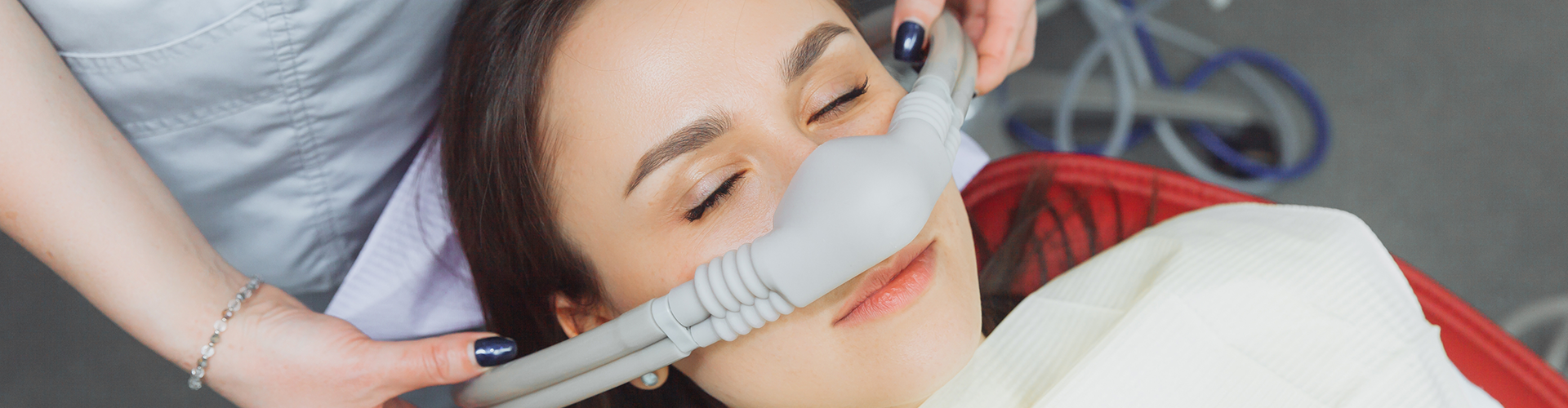
Visiting the dentist can be a daunting experience for anyone. The bright lights, unfamiliar sounds, and feeling of vulnerability in the dental chair can trigger anxiety even in the most routine appointments. Now imagine facing that same setting as a patient with sensory sensitivities, developmental conditions, or physical challenges, what’s mildly uncomfortable for some can be genuinely overwhelming for others.
That’s why sedation dentistry has become a game-changer for patients with special needs. At Cypress Family Dental, we understand that every patient deserves to feel safe, seen, and supported. For individuals who struggle with traditional dental settings, sedation offers a bridge, a way to receive care with dignity and minimal stress.
Let’s explore how sedation dentistry can open doors to better oral health and a more compassionate experience for patients with special needs.
The approach to sedation varies based on each patient’s medical history, age, weight, level of cooperation, and type of dental work needed. At Cypress Family Dental, we always begin with a full consultation and health review to choose the most appropriate and safest option.
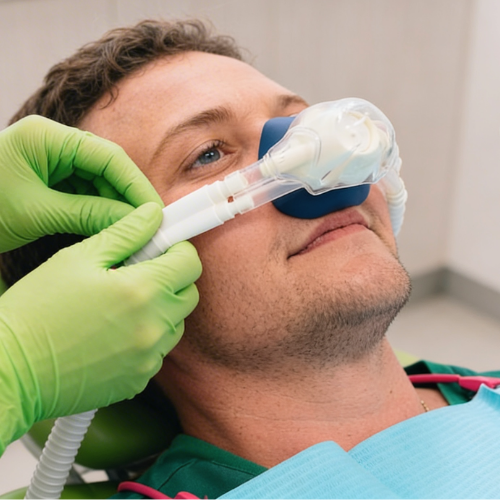
Here are the most common types of sedation used for patients with special needs: 1. Nitrous Oxide (Laughing Gas): This is the mildest form of sedation and is often used for patients with mild anxiety or slight difficulty sitting through appointments. It’s inhaled through a small nose mask and helps patients feel relaxed, calm, and slightly euphoric during treatment. It wears off quickly, and patients usually recover within minutes.
2. Oral Sedation: Given in pill or liquid form before the appointment, oral sedatives help patients stay drowsy and calm. They don’t usually cause full sleep, but they significantly reduce awareness of the procedure. This is a great option for patients who may need a little more help staying still or relaxed during their visit.
3. IV Sedation: This form of moderate to deep sedation is administered through a vein. It allows the dentist to adjust the level of sedation throughout the procedure and is typically used for longer or more involved treatments. Many patients don’t remember much of the appointment afterward.
4. General Anesthesia: Reserved for complex cases or patients with severe behavioral or medical challenges, general anesthesia renders the patient completely unconscious. This type of sedation is usually provided in a hospital or surgical setting and is closely monitored by an anesthesiologist.
Each type has its place, and our team works closely with families, caregivers, and medical professionals to determine what’s best for each individual. Our priority is safety, comfort, and the quality of care provided.
Every patient deserves to have a positive relationship with dental care, but for many individuals with special needs, that relationship has been shaped by discomfort, fear, or past experiences where they felt misunderstood.
Sedation can completely shift that narrative. Here’s why it matters:
It reduces stress and trauma. Without sedation, some patients may associate dental visits with panic or even pain, not because the procedure is painful, but because the anxiety leading up to it is so intense. Sedation helps reduce this emotional toll, making appointments less traumatic.
It allows necessary treatment to be completed. Let’s face it, some procedures are time-consuming or require the patient to remain still for extended periods. That’s not always feasible for individuals with physical or developmental conditions. Sedation provides a way for dentists to complete more work in a single visit, reducing the need for repeat appointments.
It ensures safety for both patient and provider. Some patients may have involuntary movements, extreme sensitivity to touch, or difficulty communicating discomfort. Sedation minimizes the risk of injury during treatment and helps the provider focus on delivering precise, careful care.
It builds trust and cooperation over time. For children and adults alike, early positive experiences with dental care can shape lifelong habits. Sedation helps lay that foundation by ensuring their early visits aren’t filled with stress or resistance. Over time, patients may need less sedation as their trust grows.
Understandably, many parents and caregivers are cautious when it comes to sedation. Questions around safety are valid—and they’re ones we take seriously.
Here’s what we want you to know about the safety of sedation dentistry:
1. Every patient is evaluated individually. We don’t use a one-size-fits-all approach. Before recommending sedation, our dental team conducts a thorough medical review. We look at medications, allergies, prior reactions to anesthesia, and underlying health conditions to develop a tailored plan.
2. Monitoring is constant. Whether the patient is receiving nitrous oxide or IV sedation, vital signs like heart rate, oxygen levels, and blood pressure are continuously monitored throughout the procedure. In deeper forms of sedation or general anesthesia, a licensed anesthesiologist may be present to oversee every moment.
3. We work in collaboration with your medical team. For patients with complex health needs, we often work alongside pediatricians, neurologists, or primary care providers to ensure sedation is appropriate. If general anesthesia is needed, it’s done in a controlled, hospital-grade setting.
4. Post-sedation care is planned in advance. Families are given detailed instructions on what to expect after sedation—how long it may take to wear off, what signs to watch for, and when to resume normal activities. We’re also just a phone call away in case any concerns arise.
When done right, sedation is not only safe but profoundly beneficial. For many special needs patients, it’s the difference between being able to access dental care or not.
We know that the decision to pursue sedation dentistry isn’t made lightly. It involves trust—trust that your loved one will be treated with care, dignity, and professionalism.
At Cypress Family Dental, we don’t just treat teeth—we treat people. Our team is trained in working with individuals with a wide range of needs, from autism spectrum disorders to cerebral palsy, Down syndrome, anxiety disorders, and more.
We create an environment that’s calm, flexible, and welcoming. We take the time to listen to what you and your loved one need, and we explain every step so there are no surprises. From adjusting lighting and sound to offering quiet rooms and scheduling longer appointments, we go beyond sedation to create a truly accommodating dental experience.
For patients who have gone years without dental care due to fear or accessibility barriers, sedation dentistry can be the first step toward restored health and restored confidence.
If you or your loved one has special needs and you're concerned about how dental visits might go, you’re not alone, and you’re not without options. Sedation dentistry can change the entire experience, making it calmer, smoother, and far more manageable.
Let’s start with a conversation. Call Cypress Family Dental today to schedule a consultation and learn how we can support your unique needs with compassion and expertise. Your smile and your comfort matter to us.
Fresh news from the dental world


Mon - Fri 8AM - 5PM
Sat & Sun Closed
Check out what our patients are saying in Cypress...
..png)

“The Doctors Are Just Stellar”
The sweetest people work here, I'm convinced! The ladies at the front desk always go out of their way to be kind and helpful, the hygienists listen to your concerns and will address them to their best ability, and the doctors are just stellar. I drive over 40 min from where I live to go here because it's rare to find a dental office this fantastic.

“They Are So Efficient”
This is the best dentist I have been to and I have been to several. The team is professional and welcoming. They are never over-booked and I have never waited more than 5 minutes in the lobby. They are so efficient, no matter what I go in for, I am out in 45 minutes or less. I highly recommend Cypress Family Dental.

“A Very Pleasant Experience”
My visit to the Cypress Family Dental office today was a very pleasant experience. The front desk staff greeted me upon entering the office and efficiently confirmed my scheduled appointment. I'm seen within a short time by professional, knowledgeable and comfortable staff. They're open to various types of insurance and are flexible on terms. Overall, I would definitely recommend Cypress Family Dental.

“They Truly Care”
The dentist and his staff are wonderful people! In the past, I have had horrible experiences at other dentist offices and then I found this place and I don't think I would ever go anywhere else again. I live about 45 min away from their office but the drive is well worth it. They truly care about their patients. I would recommend this office to anyone.
..png)
“They're All Top Notch”
I'm so happy to have found this awesome dentist with an awesome staff. I am completely confident in the doctor's skill level, and completely comfortable relying on him to work on me without allowing me to experience unnecessary pain. In addition to having a good relationship with the dentist, being able to relate with the office staff is equally important to me. From the hygienist to the dental assistants to the front desk, they're all top notch.

“The Staff Did A Great Job”
Came to Cypress Family Dental a year ago for my sleep apnea device. No more snoring! The staff did a great job fitting me for this oral appliance. Better yet, they were there to support me when I needed some adjustments later on. The front office staff couldn't have been more accommodating to schedule me in. Easy to recommend.
“The Doctors Are Just Stellar”
The sweetest people work here, I'm convinced! The ladies at the front desk always go out of their way to be kind and helpful, the hygienists listen to your concerns and will address them to their best ability, and the doctors are just stellar. I drive over 40 min from where I live to go here because it's rare to find a dental office this fantastic.
“They Are So Efficient”
This is the best dentist I have been to and I have been to several. The team is professional and welcoming. They are never over-booked and I have never waited more than 5 minutes in the lobby. They are so efficient, no matter what I go in for, I am out in 45 minutes or less. I highly recommend Cypress Family Dental.
Check out our accreditations, sources, and relationships in the wide world of dentistry...


Check us out and follow our Cypress dental practice on social media...


