
Root Canal vs Tooth Extraction
Not sure whether you need a root canal or extraction? Learn the differences, benefits, and how dentists determine the right treatment.
Read More
Endodontics treatment, often encapsulated in the term 'root canal therapy,' is a dental procedure that can save teeth on the brink of loss. This blog delves into the intricacies of endodontic treatment, shedding light on common queries and uncertainties surrounding the procedure. Whether it's understanding when a tooth can't be saved, the procedural details, or the duration of treatment, we'll cover it all to guide you through the journey of tooth salvation.
The primary goal of endodontics is to save the tooth, preserving its functionality and appearance for as long as possible. However, there are instances where a tooth may be beyond salvation, necessitating a careful evaluation to determine the best course of action.
A tooth cannot be saved if it has severe decay or damage that extends deep into the pulp and beyond, compromising the tooth's structural integrity. This level of decay often leads to infection or abscess, which can endanger not only the tooth but also the surrounding bone and tissues. When the damage is too extensive, the risks of attempting to save the tooth may outweigh the benefits, leading to the decision for extraction.
Teeth with extensive root fractures are also poor candidates for endodontic treatment. A fracture that travels through the root can provide a pathway for bacteria to reach the pulp and cause infection, making successful treatment exceedingly difficult. Similarly, insufficient bone support due to periodontal disease undermines the tooth’s foundation, making it unstable and often unsalvageable. In such cases, the tooth may become excessively mobile, causing pain and discomfort, and ultimately may need to be removed to preserve overall oral health.
Repeated dental procedures on a single tooth can also lead to a situation where the tooth can no longer be saved. Each treatment can weaken the tooth structure, especially if large fillings or other restorative work compromise the tooth’s natural integrity. Over time, the tooth may become so weak or brittle that it is prone to fracture or further decay, making it unsuitable for additional endodontic treatment.
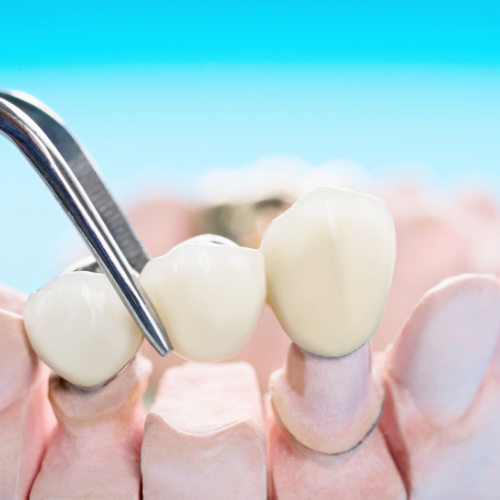
Early diagnosis and treatment are crucial in maximizing the chances of saving a tooth. Regular dental check-ups can catch problems before they become severe, and modern endodontic treatments can often save teeth that would have been lost in the past. However, when a tooth is deemed unsavable, it's important to consider the options for replacement, such as dental implants or bridges, to restore functionality and prevent other teeth from shifting.
While endodontics strives to save natural teeth, certain conditions like severe decay, root fractures, insufficient bone support, and the cumulative effects of multiple dental procedures can lead to a tooth being unsalvageable. Understanding these factors and seeking prompt dental advice can help in making informed decisions about dental care and treatment options.
The thought of a root canal procedure can be daunting for many, often accompanied by the question: "Will I be asleep during the process?" The answer is that it's not usually necessary to be put to sleep for a root canal. The procedure is typically performed under local anesthesia, which numbs the affected area, allowing the treatment to be carried out without pain. Patients remain awake and aware, but the anesthetic ensures a comfortable experience free from discomfort. In certain cases, where anxiety or specific medical conditions are present, sedation options may be considered to ensure the patient's comfort throughout the procedure.
The duration of a root canal procedure is influenced by a variety of factors, including the complexity of the case and the specific tooth involved. Typically, a straightforward root canal treatment can take between 30 minutes to two hours in a single session. However, this is a general estimate, and the actual time can vary based on several factors.
The complexity of the tooth's root canal system plays a significant role in determining the procedure's length. Molars, for example, usually have three or four root canals that may be intricately shaped, making the treatment more time-consuming than a front tooth, which typically has only one or two canals. The presence of curved or narrow canals can complicate the procedure, requiring more time for careful cleaning and shaping to avoid complications.
Severe infections can also extend the duration of a root canal. In cases where the tooth is badly infected, additional time may be needed to ensure that the infection is thoroughly addressed. This may include the use of medicated fillings to eliminate bacteria and reduce inflammation before the final filling is placed. In such scenarios, the dentist may decide to perform the treatment over multiple visits to allow time for the infection to clear.
Furthermore, previous dental work on the affected tooth can impact the duration of the root canal treatment. Teeth with extensive fillings or crowns may present accessibility challenges, requiring additional time to remove existing restorations and gain access to the root canals.
Technological advancements and the dentist’s expertise also play a crucial role in the efficiency of the procedure. Dentists equipped with modern tools like digital X-rays, microscopes, and advanced rotary instruments can often complete the procedure more quickly and efficiently, while ensuring thorough cleaning and shaping of the canals.
While the general timeframe for a root canal treatment ranges from 30 minutes to two hours, the actual duration can vary widely based on the tooth’s anatomy, the extent of infection or damage, previous dental work, and the technology used. Patients should consult with their dentist to get a more accurate estimate based on their specific situation, ensuring that they are fully informed and prepared for the procedure.
Endodontics treatment represents a critical element in dental care, focusing on preserving natural teeth and maintaining oral health. Understanding the nuances of when a tooth can be saved, the process and comfort of undergoing a root canal, and the time investment required, can make the journey towards dental health less intimidating and more manageable.
If you're experiencing dental discomfort or have been advised to consider endodontic treatment, it's essential to seek professional advice promptly. Schedule an appointment with us today to explore your options and embark on the path to restoring your dental health. Our expert team is committed to providing compassionate, comprehensive care to ensure the best outcomes for your smile.
Fresh news from the dental world







Mon - Fri 8AM - 5PM
Sat & Sun Closed
Check out what our patients are saying in Cypress...
..png)

“The Doctors Are Just Stellar”
The sweetest people work here, I'm convinced! The ladies at the front desk always go out of their way to be kind and helpful, the hygienists listen to your concerns and will address them to their best ability, and the doctors are just stellar. I drive over 40 min from where I live to go here because it's rare to find a dental office this fantastic.

“They Are So Efficient”
This is the best dentist I have been to and I have been to several. The team is professional and welcoming. They are never over-booked and I have never waited more than 5 minutes in the lobby. They are so efficient, no matter what I go in for, I am out in 45 minutes or less. I highly recommend Cypress Family Dental.

“A Very Pleasant Experience”
My visit to the Cypress Family Dental office today was a very pleasant experience. The front desk staff greeted me upon entering the office and efficiently confirmed my scheduled appointment. I'm seen within a short time by professional, knowledgeable and comfortable staff. They're open to various types of insurance and are flexible on terms. Overall, I would definitely recommend Cypress Family Dental.

“They Truly Care”
The dentist and his staff are wonderful people! In the past, I have had horrible experiences at other dentist offices and then I found this place and I don't think I would ever go anywhere else again. I live about 45 min away from their office but the drive is well worth it. They truly care about their patients. I would recommend this office to anyone.
..png)
“They're All Top Notch”
I'm so happy to have found this awesome dentist with an awesome staff. I am completely confident in the doctor's skill level, and completely comfortable relying on him to work on me without allowing me to experience unnecessary pain. In addition to having a good relationship with the dentist, being able to relate with the office staff is equally important to me. From the hygienist to the dental assistants to the front desk, they're all top notch.

“The Staff Did A Great Job”
Came to Cypress Family Dental a year ago for my sleep apnea device. No more snoring! The staff did a great job fitting me for this oral appliance. Better yet, they were there to support me when I needed some adjustments later on. The front office staff couldn't have been more accommodating to schedule me in. Easy to recommend.
“The Doctors Are Just Stellar”
The sweetest people work here, I'm convinced! The ladies at the front desk always go out of their way to be kind and helpful, the hygienists listen to your concerns and will address them to their best ability, and the doctors are just stellar. I drive over 40 min from where I live to go here because it's rare to find a dental office this fantastic.
“They Are So Efficient”
This is the best dentist I have been to and I have been to several. The team is professional and welcoming. They are never over-booked and I have never waited more than 5 minutes in the lobby. They are so efficient, no matter what I go in for, I am out in 45 minutes or less. I highly recommend Cypress Family Dental.
Check out our accreditations, sources, and relationships in the wide world of dentistry...


Check us out and follow our Cypress dental practice on social media...


