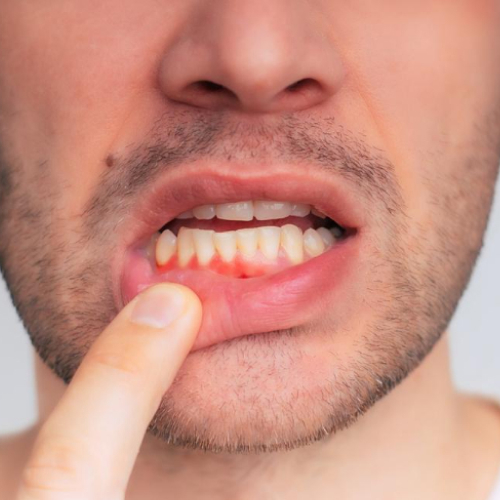
Can Gum Disease Be Cured Without Surgery? What Cypress Patients Need to Know
Wondering if gum disease can be cured without surgery? Discover non-surgical options for periodontitis at Cypress Family Dental. Schedule your consultation now!
Read More
Most people don’t wake up excited to think about cavities. But cavities are one of those “small problem, big consequences” situations. They usually start quietly, then turn into a toothache at the worst possible time. And fillings have a reputation too. Some people feel relieved when they’re done, while others leave wondering, “Did I really need that?”
At Cypress Family Dental, we see both sides of the story every day. Patients want honest answers, clear options, and a plan that makes sense, not a lecture or a surprise bill. So let’s break down cavities and fillings in a way that actually feels useful.
A cavity is tooth decay. It happens when bacteria in your mouth feed on sugars and starches and produce acid. That acid pulls minerals out of your enamel. Over time, the enamel weakens, breaks down, and forms a hole.
The frustrating part is that early cavities can be completely painless. Enamel does not have nerves. That is why people can have a cavity and feel fine, until it gets deeper into the tooth where sensitivity and pain start.
Common signs that can mean decay is developing include:
If you are thinking, “I have some of those, but it comes and goes,” that is exactly how early decay often behaves.
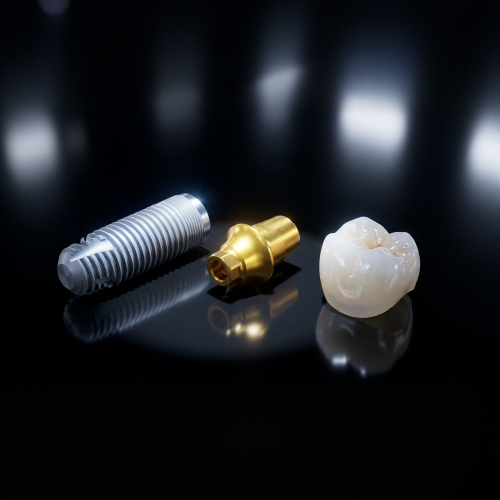
A filling’s job is simple: remove the decayed part of the tooth and replace it with a durable material so the tooth can function again.
A filling does not make the tooth immune to future cavities. The tooth can still decay around the filling if plaque keeps collecting there. That is why the goal is not just to “get a filling,” but to fix the reason the cavity formed in the first place.
A good filling should:
A good dental visit should also include:
Now let’s get into the questions people actually type into Google.
This is a fair question, and it comes from real experiences. Sometimes patients have had different dentists give different recommendations. That can make anyone skeptical.
Here is the honest truth: there are situations where a tooth can be watched instead of filled, especially when the decay is very early and limited to enamel. In those cases, stronger home care, fluoride, and diet changes can sometimes stop or slow it down.
There are also situations where waiting is a bad idea. Once decay reaches dentin, the softer layer under enamel, it tends to spread faster. That is when “let’s watch it” can turn into “now we need a bigger filling,” or even “now you need a root canal.”
So how do you know the recommendation is appropriate?
At Cypress Family Dental, a filling recommendation should come with evidence and explanation, like:
You should feel comfortable asking:
A dentist who is making thoughtful recommendations will not be offended by those questions. They should welcome them.
Also, keep in mind that two dentists can look at the same early spot and make different calls based on your risk level. Someone with very low cavity risk might be safe to monitor. Someone who gets cavities easily may be better off treating early to avoid a bigger problem later.
If you have had a few cavities, you are not “behind” or “bad at teeth.” Cavities are incredibly common. But the word “normal” can be tricky.
Here is a better way to think about it: how often are you getting new cavities?
If you are getting frequent cavities, it usually comes down to patterns, not luck.
The most common reasons people get multiple cavities over time include:
If cavities keep happening, that is not a “more fillings” problem. It is a prevention plan problem.
A solid dental team should help you identify the cause and adjust. That might mean a higher-fluoride toothpaste, a different brushing technique, fluoride varnish, sealants, or even discussing diet timing.
Some people do everything “right” and still get cavities. Others barely think about it and seem fine. That difference is real, and it comes down to a combination of factors.
1) Your mouth’s bacteria and saliva balance
Saliva helps wash away acids and provides minerals that protect enamel. If you have low saliva flow or your saliva chemistry is not as protective, your teeth are more vulnerable.
Dry mouth is one of the biggest hidden cavity triggers. If your mouth often feels dry, sticky, or you wake up thirsty, tell your dentist.
2) Your enamel and tooth shape
Some people naturally have deeper pits and grooves, tight contact points, or areas that are harder to clean. That does not mean your teeth are “worse.” It means you need a strategy that matches your anatomy.
3) Your diet timing, not just your diet
This one surprises people. It is not only sugar quantity. It is frequency.
Every time you snack on carbs or sip a sweet drink, acid levels rise and enamel softens temporarily. If that happens all day, your teeth do not get a chance to recover.
A simple upgrade that helps many patients:
4) Your home care technique
Most people brush. The difference is whether the brushing is removing plaque in the right places.
What tends to work best:
If flossing is hard, try one of these:
5) Past dental history
If you have a history of cavities, you are at higher risk for future cavities. That is not permanent, but it means prevention matters more for you than it might for someone else.
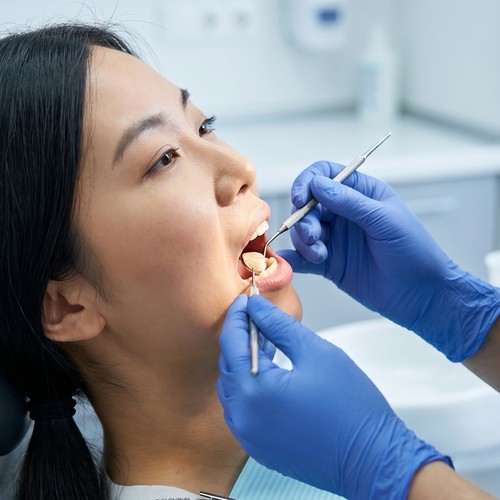
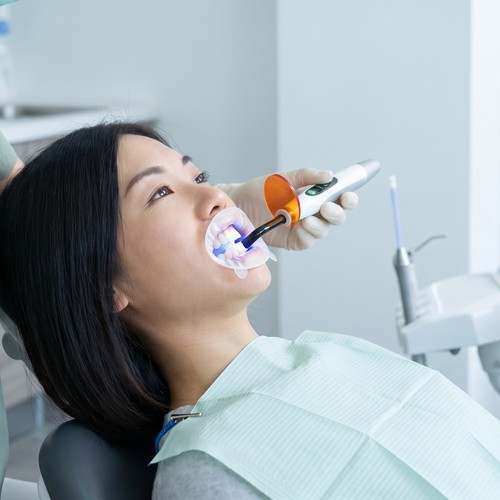
When people fear fillings, it is often because they are not sure what will happen. Here is what a typical filling visit looks like.
Most fillings are quick. Bigger cavities take longer. Either way, you should not feel sharp pain during the procedure. If you do, you should speak up. Comfort matters.
You do not need a perfect routine. You need a consistent one.
If you want a simple, high-impact plan, start here:
If you are cavity-prone, you may also benefit from:
The best prevention plan is personal. It depends on your mouth, your habits, and your history.
Sometimes the best dentistry is doing less, and sometimes it is doing something early. The difference is risk.
Generally:
The goal is not to fill every tiny spot. The goal is to keep your teeth strong and avoid bigger procedures later.
If you have sensitivity, you have been told you “might” need fillings, or you just want to know where you stand, schedule an appointment with Cypress Family Dental. We will take a careful look, walk you through what we see, and explain your options in a straightforward way, including what can be treated now and what can be monitored.
Fresh news from the dental world



Mon - Fri 8AM - 5PM
Sat & Sun Closed
Check out what our patients are saying in Cypress...
..png)

“The Doctors Are Just Stellar”
The sweetest people work here, I'm convinced! The ladies at the front desk always go out of their way to be kind and helpful, the hygienists listen to your concerns and will address them to their best ability, and the doctors are just stellar. I drive over 40 min from where I live to go here because it's rare to find a dental office this fantastic.

“They Are So Efficient”
This is the best dentist I have been to and I have been to several. The team is professional and welcoming. They are never over-booked and I have never waited more than 5 minutes in the lobby. They are so efficient, no matter what I go in for, I am out in 45 minutes or less. I highly recommend Cypress Family Dental.

“The Staff Did A Great Job”
Came to Cypress Family Dental a year ago for my sleep apnea device. No more snoring! The staff did a great job fitting me for this oral appliance. Better yet, they were there to support me when I needed some adjustments later on. The front office staff couldn't have been more accommodating to schedule me in. Easy to recommend.

“They Truly Care”
The dentist and his staff are wonderful people! In the past, I have had horrible experiences at other dentist offices and then I found this place and I don't think I would ever go anywhere else again. I live about 45 min away from their office but the drive is well worth it. They truly care about their patients. I would recommend this office to anyone.

“A Very Pleasant Experience”
My visit to the Cypress Family Dental office today was a very pleasant experience. The front desk staff greeted me upon entering the office and efficiently confirmed my scheduled appointment. I'm seen within a short time by professional, knowledgeable and comfortable staff. They're open to various types of insurance and are flexible on terms. Overall, I would definitely recommend Cypress Family Dental.
..png)
“They're All Top Notch”
I'm so happy to have found this awesome dentist with an awesome staff. I am completely confident in the doctor's skill level, and completely comfortable relying on him to work on me without allowing me to experience unnecessary pain. In addition to having a good relationship with the dentist, being able to relate with the office staff is equally important to me. From the hygienist to the dental assistants to the front desk, they're all top notch.
“The Doctors Are Just Stellar”
The sweetest people work here, I'm convinced! The ladies at the front desk always go out of their way to be kind and helpful, the hygienists listen to your concerns and will address them to their best ability, and the doctors are just stellar. I drive over 40 min from where I live to go here because it's rare to find a dental office this fantastic.
“They Are So Efficient”
This is the best dentist I have been to and I have been to several. The team is professional and welcoming. They are never over-booked and I have never waited more than 5 minutes in the lobby. They are so efficient, no matter what I go in for, I am out in 45 minutes or less. I highly recommend Cypress Family Dental.
Check out our accreditations, sources, and relationships in the wide world of dentistry...


Check us out and follow our Cypress dental practice on social media...


