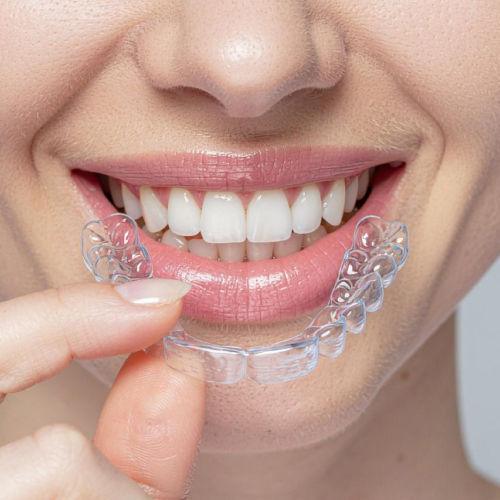
Why Your Invisalign Trays Aren't Fitting—And What to Do About It
Invisalign tray not fitting right in Cypress? Learn why gaps happen, what tracking means, and when refinements are needed. Call Cypress Family Dental.
Read More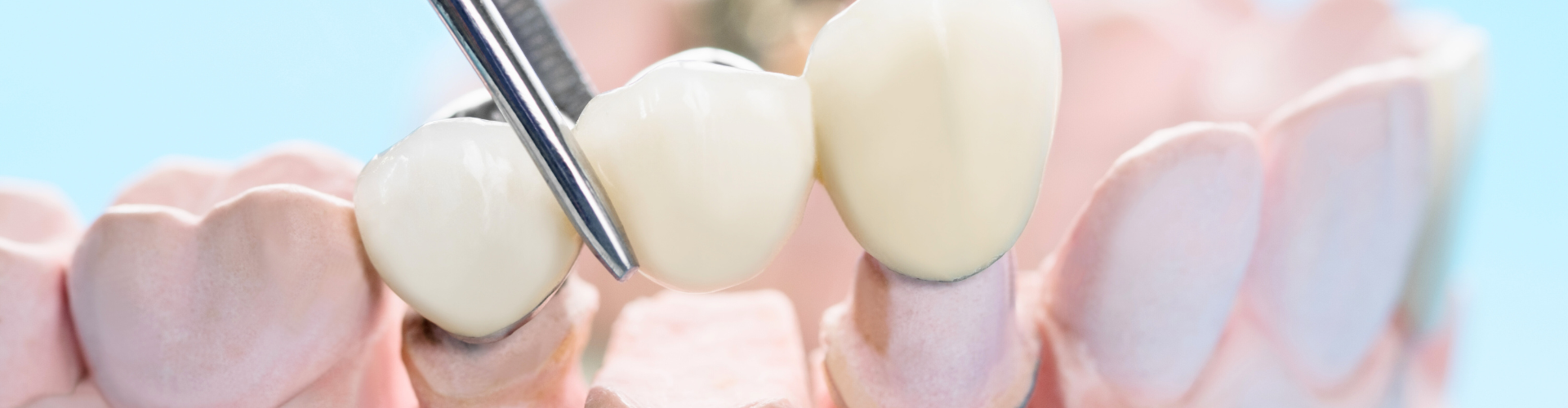
Written by Dr. Tokin Kim, DDS | USC Graduate
Medically Reviewed by Dr. Bo Ram Um, DDS
Look, I talk to patients in Cypress almost daily who've been told they need a bridge. And the questions are always the same, do my other teeth have to get shaved down? How long will this take? What's it actually going to feel like when I eat?
Here's the thing: there's a lot of confusing information out there. Some dentists rush through the explanation, others make it sound scarier than it needs to be. I've been placing bridges here in North Orange County for years, and I think you deserve straight answers about what's really involved.
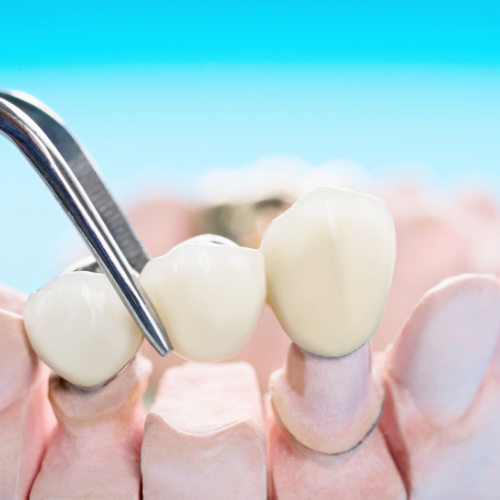
A dental bridge replaces missing teeth by anchoring artificial teeth to the teeth on either side of the gap. The traditional type—which is what most people get—does require preparation of those neighboring teeth. Not everyone loves hearing that part.
But whether it's necessary depends on the type of bridge we're talking about. Understanding your options before committing is exactly why I'm writing this. Let's walk through what actually happens, how long it takes, and what living with a bridge is really like day-to-day.
Honestly, this question makes people most nervous. And I get it—the idea of filing down perfectly healthy teeth feels counterintuitive.
For a traditional fixed bridge (the most common type), yes, the teeth on either side of the gap need to be prepared. We remove enamel to create space for crowns that'll anchor the bridge. Not fun to hear, I know. But that's how the structure stays secure enough to handle the forces of chewing. Without those crowns, there's nothing solid enough to support the replacement tooth in the middle.
We're essentially creating a unit where three (or more) teeth function as one connected piece. The crowns on the supporting teeth—we call them abutment teeth—hold everything together. To fit those crowns properly, we need to reshape the natural teeth underneath. It's permanent, and there's no going back once it's done.
But is it always necessary? Actually, no. That's where your options get interesting.
Maryland bridges (also called resin-bonded bridges) bond to the back of your teeth with minimal or no grinding down, according to the National Center for Biotechnology Information. They're more conservative, which sounds great, right? But they're mostly used for front teeth and smaller gaps—they don't hold up as well to the heavy chewing forces in the back of your mouth. At least in my experience, they're not the right fit for everyone.
And then there's the implant route. Dental implants don't touch your neighboring teeth at all. We place a titanium post directly into your jawbone, and the replacement tooth attaches to that. No shaving required, as Cleveland Clinic explains. The catch? It's surgery, it takes months, and it costs more upfront. Fair enough—not everyone wants to go that route.
I had a patient last month who came in furious that her previous dentist recommended a bridge without mentioning implants. She felt like her healthy teeth were being sacrificed unnecessarily. We ended up choosing implants for her, but for others, the bridge makes perfect sense—faster, less invasive, often covered better by insurance.
Bottom line? If you're getting a traditional bridge, yes, those adjacent teeth will be prepared. If that bothers you, ask about Maryland bridges or implants. Just know each option has trade-offs.
Here's what most patients don't realize: getting a traditional bridge is actually pretty quick. We're usually talking about two visits over a few weeks. Not months, not a dozen appointments—just two.
Visit one is the prep appointment. We numb the area (you won't feel a thing during the actual work), reshape those abutment teeth, and take impressions or digital scans of your mouth. Those impressions go to a dental lab where technicians custom-make your bridge. While we wait for the permanent bridge to come back, I place a temporary bridge. It's not as strong or pretty as the final one, but it protects your teeth and lets you chew relatively normally.
That temporary stays in place for about two to three weeks while the lab fabricates your permanent bridge. Some labs are faster, some slower—it varies.
Visit two is the fun one. We remove the temporary, check the fit and color of your new bridge, make any tiny adjustments, and cement it permanently. You walk out with a finished smile. The whole process from start to finish? Usually three weeks, give or take.
Now, implant-supported bridges? Completely different timeline. We're talking several months because the implants need to integrate with your jawbone—a process called osseointegration that takes anywhere from two to six months, according to the American Academy of Periodontology. You'll have a surgical visit to place the implants, a long healing period, then visits to attach abutments and finally place the bridge.
One thing to remember: during those two weeks with the temporary bridge, be careful with hard or sticky foods. Temporaries can pop off (I've seen it happen with taffy, hard bagels, etc.). Just baby it a little until we get the permanent one in place.
Look, I'll be straight with you: a bridge doesn't feel exactly like your natural teeth. It feels close—most patients adjust within a few days—but there are differences.
When you chew, the bridge is fixed in place, so it doesn't move or wiggle. That's good. But because it's one solid unit spanning multiple teeth, the sensation is slightly different from individual teeth flexing independently. Hard to describe unless you've had one, but most people say it feels "tight" or "connected" at first. You get used to it.
The bigger adjustment? Flossing. You can't floss between the bridge and your gums the normal way because the replacement tooth sits right on top of the gum tissue. Food can get trapped underneath. And if you don't clean under there, plaque builds up, your gums get inflamed, and eventually you're looking at gum disease or decay on those abutment teeth.
Here's what I tell patients in Cypress and La Palma: you'll need floss threaders or a water flosser. Floss threaders let you guide regular floss under the bridge to clean that space. They're cheap and effective, but they require a little patience and dexterity. Water flossers (like Waterpik) shoot a stream of water that cleans under the bridge without threading anything—honestly, a lot of my patients find them easier and more pleasant, as the American Dental Association notes.
Actually, it depends on your manual dexterity and how much time you're willing to spend. Some people love the control of threaders, others hate fiddling with them. Interdental brushes are another option that some studies suggest work even better than floss for plaque removal.
But whatever method you choose, you've got to do it daily. I had a patient who skipped cleaning under his bridge for a year. When he finally came back, the decay on his abutment teeth was so bad we had to remove the entire bridge and start over. Not fun, not cheap.
And I get it—adding an extra step to your routine is annoying. But bridges last about five to seven years on average if you take care of them. Neglect them, and that number drops fast.
Whether you're leaning toward a traditional bridge, curious about implants, or just want to understand what's right for your situation, we're here to help. At Cypress Family Dental, we don't believe in one-size-fits-all solutions—we take the time to explain your options, answer your questions, and create a plan that actually makes sense for your life.
Not sure if your neighboring teeth should be prepared for a bridge? Wondering if implants might be a better fit? Let's talk it through. Schedule a consultation with us in Cypress, and we'll give you the honest breakdown—no pressure, no rushed decisions. Just clear answers so you can move forward with confidence.
Your smile matters, and so does understanding what's happening with it.
Medical Disclaimer: This content is for informational purposes only and does not replace professional medical advice, diagnosis, or treatment. Always consult with a qualified healthcare provider.
Fresh news from the dental world



Mon - Fri 8AM - 5PM
Sat & Sun Closed
Check out what our patients are saying in Cypress...
..png)

“The Doctors Are Just Stellar”
The sweetest people work here, I'm convinced! The ladies at the front desk always go out of their way to be kind and helpful, the hygienists listen to your concerns and will address them to their best ability, and the doctors are just stellar. I drive over 40 min from where I live to go here because it's rare to find a dental office this fantastic.

“They Are So Efficient”
This is the best dentist I have been to and I have been to several. The team is professional and welcoming. They are never over-booked and I have never waited more than 5 minutes in the lobby. They are so efficient, no matter what I go in for, I am out in 45 minutes or less. I highly recommend Cypress Family Dental.

“A Very Pleasant Experience”
My visit to the Cypress Family Dental office today was a very pleasant experience. The front desk staff greeted me upon entering the office and efficiently confirmed my scheduled appointment. I'm seen within a short time by professional, knowledgeable and comfortable staff. They're open to various types of insurance and are flexible on terms. Overall, I would definitely recommend Cypress Family Dental.

“The Staff Did A Great Job”
Came to Cypress Family Dental a year ago for my sleep apnea device. No more snoring! The staff did a great job fitting me for this oral appliance. Better yet, they were there to support me when I needed some adjustments later on. The front office staff couldn't have been more accommodating to schedule me in. Easy to recommend.

“They Truly Care”
The dentist and his staff are wonderful people! In the past, I have had horrible experiences at other dentist offices and then I found this place and I don't think I would ever go anywhere else again. I live about 45 min away from their office but the drive is well worth it. They truly care about their patients. I would recommend this office to anyone.
..png)
“They're All Top Notch”
I'm so happy to have found this awesome dentist with an awesome staff. I am completely confident in the doctor's skill level, and completely comfortable relying on him to work on me without allowing me to experience unnecessary pain. In addition to having a good relationship with the dentist, being able to relate with the office staff is equally important to me. From the hygienist to the dental assistants to the front desk, they're all top notch.
“The Doctors Are Just Stellar”
The sweetest people work here, I'm convinced! The ladies at the front desk always go out of their way to be kind and helpful, the hygienists listen to your concerns and will address them to their best ability, and the doctors are just stellar. I drive over 40 min from where I live to go here because it's rare to find a dental office this fantastic.
“They Are So Efficient”
This is the best dentist I have been to and I have been to several. The team is professional and welcoming. They are never over-booked and I have never waited more than 5 minutes in the lobby. They are so efficient, no matter what I go in for, I am out in 45 minutes or less. I highly recommend Cypress Family Dental.
Check out our accreditations, sources, and relationships in the wide world of dentistry...


Check us out and follow our Cypress dental practice on social media...


