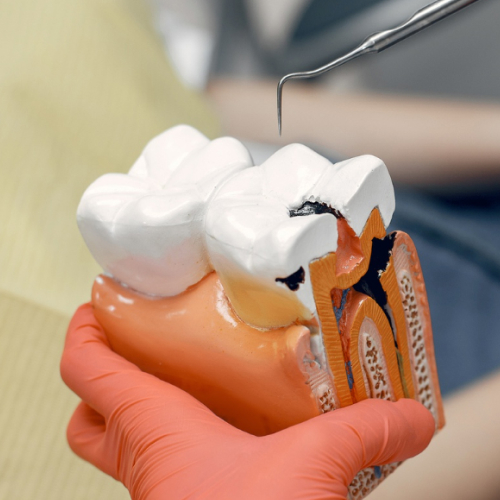
What Adults at 30 Really Need to Know About Cavity Fillings
Are you facing cavity fillings in your 30s? Learn what to expect, your material options, and how to protect your smile. Schedule your visit with us today!
Read More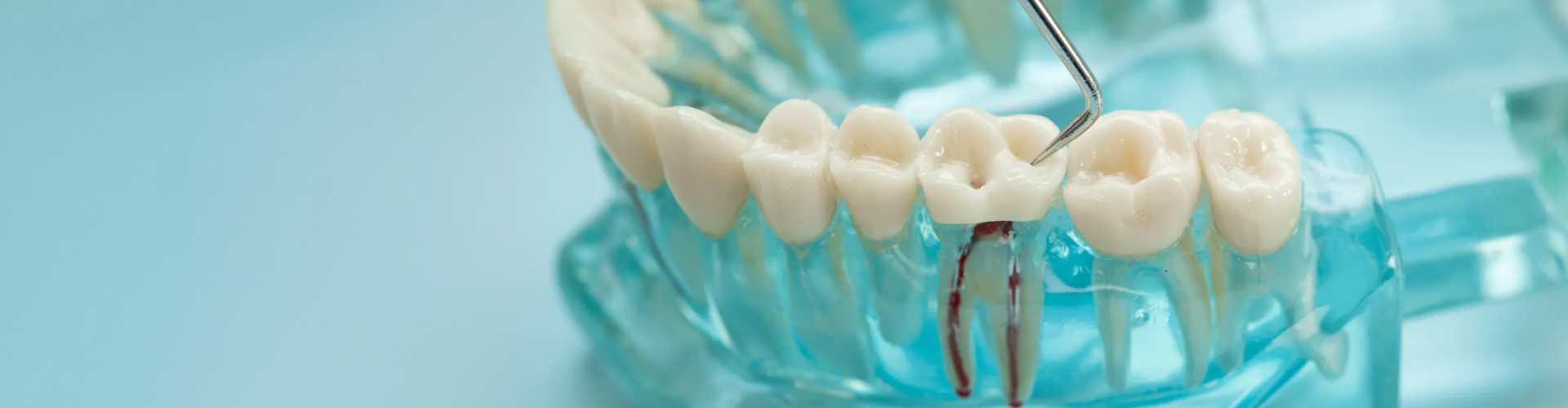
Root canals have a fearsome reputation, but the procedure itself is typically no more painful than getting a filling. Modern anesthesia and technique have transformed the experience — and understanding exactly what you'll feel (and why) makes all the difference.
Here's a scenario that genuinely worries patients: they're already in severe tooth pain, and they've heard the anesthetic sometimes fails on infected teeth. That fear is clinically legitimate — and it has a name.
When a tooth has active, irreversible pulpitis (an inflamed, infected pulp), the surrounding tissue becomes acidic. Lidocaine and similar anesthetics work by blocking nerve signals, but they require a near-neutral pH environment to do so effectively. An acidic infection site chemically deactivates a portion of the anesthetic before it can bind to nerve receptors. This is sometimes called "hot tooth" syndrome among clinicians.
The good news: experienced dentists anticipate this. For Cypress-area patients facing a dental emergency, when standard infiltration or nerve block injections don't achieve full numbness, there are specific rescue techniques available — including intraosseous injections (delivering anesthetic directly into the bone surrounding the tooth) and intrapulpal injections administered once the tooth is accessed. These supplemental approaches are well-documented, and research published in PMC confirms that combining anesthetic agents or using long-acting solutions significantly improves success rates in difficult cases. For patients facing a dental emergency involving severe tooth pain, understanding these techniques can ease anxiety before the appointment even begins.
The practical takeaway: always tell your dentist if you feel anything beyond mild pressure during the procedure. A dentist who takes that report seriously and adjusts — rather than proceeding — is doing exactly the right thing. Full numbness before any instrumentation begins is a non-negotiable standard.
Anxiety during a root canal often spikes not from actual pain, but from unfamiliar sensations that the brain misreads as dangerous. Knowing what to expect dismantles that cycle.
The rubber dam clamp: You'll feel pressure and slight tightness around the tooth. This is normal. The dam isolates the tooth from saliva and bacteria — it's protective, not harmful.
The handpiece vibration: The drill creates a distinct vibration that travels through the jaw. It can feel intense, especially in lower molars. Vibration is not pain. If you're fully numb, what you're sensing is mechanical pressure transmitted through bone — not nerve activation.
The filing sensation: As the dentist cleans the canals, you may feel a subtle thumping or movement inside the tooth. Again, pressure — not pain. If the anesthetic is working, there should be no sharp or burning sensation.
The sodium hypochlorite rinse: Dentists use this irrigant to disinfect canals. Some patients notice a faint chemical smell. This is expected and harmless.
According to Harvard Health, a properly administered root canal should feel no more uncomfortable than having a cavity filling. If at any point a sensation crosses from pressure into sharp pain, raise your hand immediately. That's the signal — not the vibration or smell.
Mild soreness for two to three days after a root canal is completely normal. The periapical tissues — the structures just beyond the root tip — experience some inflammation from the cleaning process. Healthline explains that this resolves on its own within a few days and responds well to over-the-counter ibuprofen or acetaminophen.
But what about the people who report throbbing, sharp pain a week or more later? This is where standard articles fall short of the full picture.
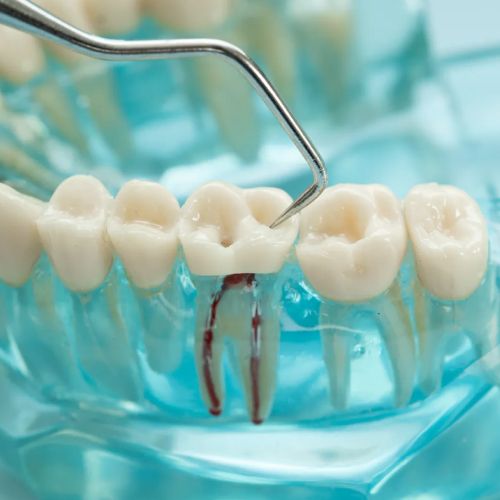
Molars, particularly upper first molars, frequently have a fourth canal called the MB2 — a narrow, curved channel that branches off the mesiobuccal root. Studies estimate this canal is present in the majority of upper first molars, yet it's notoriously easy to miss without magnification. When bacteria remain in an untreated canal, inflammation persists. That's often the anatomy behind "root canal horror stories," not the procedure itself.
If you're experiencing persistent post-treatment pain, ask your dentist whether a Dental Operating Microscope was used during the procedure, or whether Cone Beam CT (CBCT) 3D imaging could identify missed anatomy. These tools aren't exotic — they're the standard of care for complex cases, and they exist precisely to prevent this outcome.
A systematic review published on PubMed found that pretreatment pain prevalence of 81% dropped to just 11% one week after root canal therapy. Most people genuinely feel better. Persistent pain warrants investigation, not acceptance.
By reputation, yes. By clinical evidence, no.
WebMD notes that most patients report root canals are no more painful than getting a filling — the discomfort that precedes the procedure, from the infected tooth itself, is almost always worse than the treatment. One clinical study found that patients reported significantly more pain during extractions than during root canal therapy, and 92% of root canal patients said the procedure was less painful than they anticipated. In cases where the tooth cannot be saved, a tooth extraction may be the alternative — and patients are often surprised to find that procedure similarly manageable with modern anesthesia.
The procedures patients consistently rate as most uncomfortable tend to involve tissues that are harder to fully numb — lower molar extractions, periodontal surgery on inflamed gum disease tissue, and certain oral surgery procedures. Root canals, when performed with adequate anesthesia and modern technique, rank lower on that scale than their reputation suggests.
The fear of a root canal is often rooted in outdated experiences or secondhand stories from an era before modern anesthetics and rotary instrumentation. Today, the greater risk is avoiding treatment. An untreated infected tooth doesn't stay contained — infection can spread to the jaw, neck, and beyond.
If you've been putting off a root canal because of fear, you're not alone — and you deserve a straightforward conversation before committing to anything. Cypress Family Dental serves patients throughout Cypress, California and the surrounding North Orange County area. Our team takes dental anxiety seriously and will walk through every step with you before treatment begins. Whether you need an endodontic root canal or simply want to understand your options, reach out to schedule a consultation — getting the facts is always the right first move.
Disclaimer: This article is intended for general informational purposes only and does not constitute medical or dental advice. Please consult a licensed dental professional for diagnosis and treatment recommendations specific to your situation.
Fresh news from the dental world


Mon - Fri 8AM - 5PM
Sat & Sun Closed
Check out what our patients are saying in Cypress...
..png)

“They're All Top Notch”
I'm so happy to have found this awesome dentist with an awesome staff. I am completely confident in the doctor's skill level, and completely comfortable relying on him to work on me without allowing me to experience unnecessary pain. In addition to having a good relationship with the dentist, being able to relate with the office staff is equally important to me. From the hygienist to the dental assistants to the front desk, they're all top notch.

“They Are So Efficient”
This is the best dentist I have been to and I have been to several. The team is professional and welcoming. They are never over-booked and I have never waited more than 5 minutes in the lobby. They are so efficient, no matter what I go in for, I am out in 45 minutes or less. I highly recommend Cypress Family Dental.

“The Staff Did A Great Job”
Came to Cypress Family Dental a year ago for my sleep apnea device. No more snoring! The staff did a great job fitting me for this oral appliance. Better yet, they were there to support me when I needed some adjustments later on. The front office staff couldn't have been more accommodating to schedule me in. Easy to recommend.

“A Very Pleasant Experience”
My visit to the Cypress Family Dental office today was a very pleasant experience. The front desk staff greeted me upon entering the office and efficiently confirmed my scheduled appointment. I'm seen within a short time by professional, knowledgeable and comfortable staff. They're open to various types of insurance and are flexible on terms. Overall, I would definitely recommend Cypress Family Dental.

“They Truly Care”
The dentist and his staff are wonderful people! In the past, I have had horrible experiences at other dentist offices and then I found this place and I don't think I would ever go anywhere else again. I live about 45 min away from their office but the drive is well worth it. They truly care about their patients. I would recommend this office to anyone.
..png)
“The Doctors Are Just Stellar”
The sweetest people work here, I'm convinced! The ladies at the front desk always go out of their way to be kind and helpful, the hygienists listen to your concerns and will address them to their best ability, and the doctors are just stellar. I drive over 40 min from where I live to go here because it's rare to find a dental office this fantastic.
“They're All Top Notch”
I'm so happy to have found this awesome dentist with an awesome staff. I am completely confident in the doctor's skill level, and completely comfortable relying on him to work on me without allowing me to experience unnecessary pain. In addition to having a good relationship with the dentist, being able to relate with the office staff is equally important to me. From the hygienist to the dental assistants to the front desk, they're all top notch.
“They Are So Efficient”
This is the best dentist I have been to and I have been to several. The team is professional and welcoming. They are never over-booked and I have never waited more than 5 minutes in the lobby. They are so efficient, no matter what I go in for, I am out in 45 minutes or less. I highly recommend Cypress Family Dental.
Check out our accreditations, sources, and relationships in the wide world of dentistry...


Check us out and follow our Cypress dental practice on social media...


