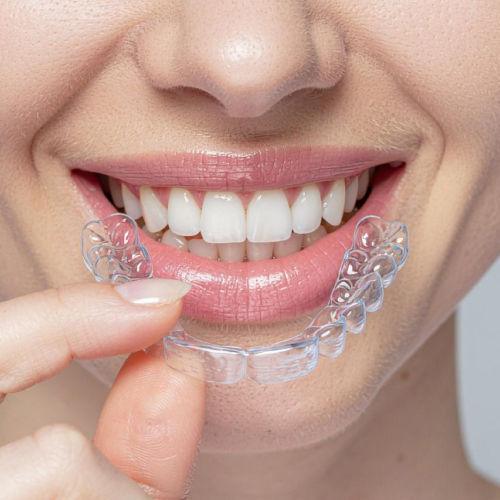
Why Your Invisalign Trays Aren't Fitting—And What to Do About It
Invisalign tray not fitting right in Cypress? Learn why gaps happen, what tracking means, and when refinements are needed. Call Cypress Family Dental.
Read More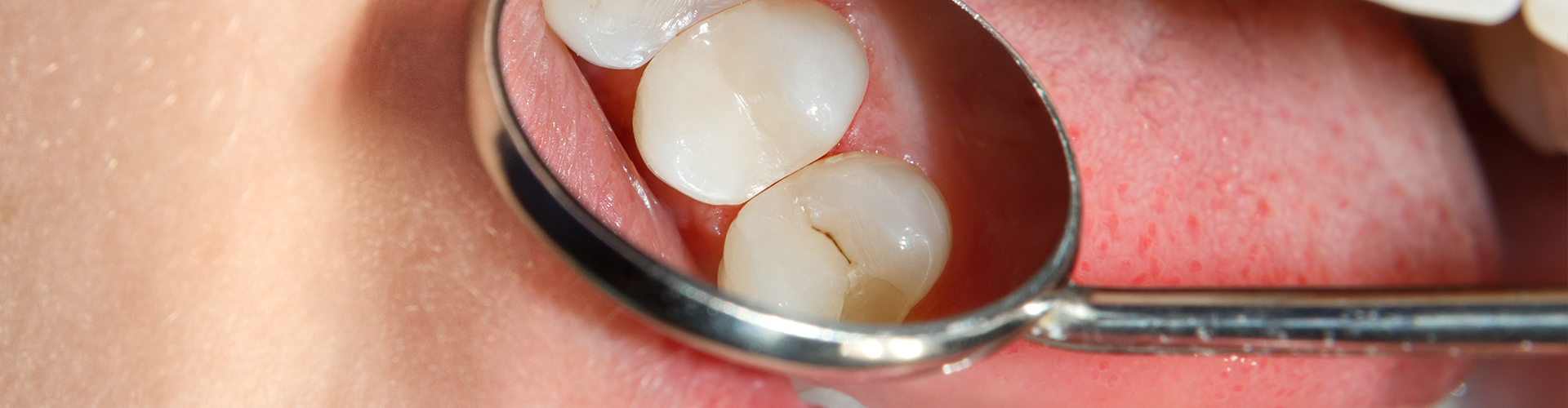
Navigating the intricate world of dental health can often feel like solving a puzzle. When it comes to understanding cavities and fillings, there are numerous questions and myths that need addressing. In this blog, we'll explore these topics in depth, offering insights and shedding light on some of the most common concerns regarding dental fillings. Whether you're curious about the impact of fillings on your teeth, their longevity, or questioning their necessity, this guide is designed to provide you with the knowledge you need to make informed decisions about your dental health. Let's unravel the mysteries of cavities and fillings together and ensure your journey towards maintaining a healthy smile is both enlightening and reassuring.
The question of whether fillings weaken teeth is a common concern. To address this, we need to look at the procedure itself. When a dentist removes decay, a certain amount of tooth structure is inevitably lost. The filling material, whether it be amalgam, composite, or another type, is then used to fill this space.
Modern filling materials are designed to bond securely with the tooth, reinforcing its structure. However, it's crucial to understand that a filled tooth may never be as strong as a completely healthy, untouched tooth. The key lies in preventive care and early detection of cavities to ensure minimal impact on the tooth's natural strength.
Preventive Measures for Stronger Teeth
Maintaining the strength of your teeth largely depends on the proactive steps you take towards your oral hygiene. Regular brushing and flossing are the cornerstones of good oral health, significantly reducing the risk of cavities and, consequently, the need for fillings. Brushing twice a day with fluoride toothpaste and flossing daily helps to remove plaque and food particles that can lead to tooth decay. Remember, the cleaner your teeth, the lower the chances of decay and the less likely you are to need dental fillings.
Another key aspect of preventive dental care involves regular visits to your dentist. These visits are not just for cleaning; they play a crucial role in the early detection of dental problems. Catching issues like cavities at an early stage often means less invasive treatment is needed. In addition to these regular check-ups, consider the option of dental sealants. Sealants are a protective coating applied to the chewing surfaces of the back teeth (molars), effectively shielding the grooves of these teeth from decay-causing bacteria and food particles. This preventive measure is particularly beneficial for children and teenagers but can be valuable for adults as well.
Fillings are not permanent solutions but are designed to last many years. The lifespan of a filling depends on the material used and your oral habits.
Amalgam fillings: Known for their durability, these can last up to 15 years or more. Composite fillings: These tooth-colored fillings blend seamlessly with your teeth and typically last 5 to 10 years.
Factors affecting the longevity of fillings include:
The size of the filling: Larger fillings may fail sooner due to the stress they endure. Oral hygiene: Good oral care extends the life of your fillings. Diet: Frequent consumption of hard or sticky foods can compromise fillings.
To ensure your fillings last as long as possible, maintain a healthy diet, practice good oral hygiene, and avoid habits like teeth grinding.
The concern about dentists performing unnecessary fillings is a topic that often surfaces in discussions about dental treatments. To fully grasp this issue, it's essential to delve into the principles that govern ethical dental practice. These principles prioritize patient health and the necessity of treatments.
The Necessity of Fillings
The primary purpose of a filling is to restore a tooth damaged by decay back to its normal function and shape. When a dentist removes the decay and cleans the affected area, the cavity must be filled to prevent further deterioration and to restore the tooth's structural integrity.
Preventing Further Decay: A small cavity, if left untreated, can lead to more significant decay, possibly requiring more extensive and costly treatments like root canals or crowns. By filling cavities early on, dentists prevent the decay from spreading, thereby saving more of the natural tooth and avoiding more invasive procedures.
Maintaining Tooth Integrity: Fillings are not just about filling a hole in a tooth; they're about restoring the tooth's natural strength and function. A properly placed filling allows a tooth to withstand the pressures of biting and chewing, and it helps maintain the natural alignment of the jaw and teeth.
Trust and Transparency in Dental Care
Choosing a dentist is a crucial decision and should be based on trust and transparency. An ethical dentist prioritizes the patient's health above all and adheres to a standard of practice that avoids unnecessary treatments.
Consultation and Communication: A trustworthy dentist will thoroughly explain the reasons behind each recommended procedure. They should provide clear information about the state of your oral health and why a filling is necessary. This could include showing you X-rays or photographs of your teeth to better illustrate the problem.
Discussing Alternatives: In some cases, there might be alternative treatments to a filling. A good dentist will discuss these alternatives and help you understand the pros and cons of each option.
Personalized Treatment Plans: Each patient's dental health is unique, and so should be their treatment plan. Ethical dentists create personalized plans based on a comprehensive evaluation of your oral health, ensuring that any proposed treatment, including fillings, is genuinely necessary.
The Importance of Second Opinions
If you're ever unsure about a recommended dental procedure, seeking a second opinion is a wise choice. A different dentist can provide a fresh perspective and either confirm the necessity of the filling or suggest alternative treatments.
Through understanding the principles of ethical dental practice and the rationale behind dental fillings, patients can feel more confident about their dental care decisions. Remember, the goal is always to preserve your natural teeth and maintain optimal oral health. If you have concerns or questions about dental fillings, our office is here to provide you with the information and care you need.
Understanding cavities and fillings is key to making informed decisions about your dental health. Remember, the best approach is preventive care. If you have concerns or need a consultation, don't hesitate to contact us. Your healthy smile is our top priority!
Ready to take the next step in your dental health journey? Schedule your consultation with us today and ensure your smile stays bright and healthy!
Fresh news from the dental world




Mon - Fri 8AM - 5PM
Sat & Sun Closed
Check out what our patients are saying in Cypress...
..png)

“The Doctors Are Just Stellar”
The sweetest people work here, I'm convinced! The ladies at the front desk always go out of their way to be kind and helpful, the hygienists listen to your concerns and will address them to their best ability, and the doctors are just stellar. I drive over 40 min from where I live to go here because it's rare to find a dental office this fantastic.

“They Are So Efficient”
This is the best dentist I have been to and I have been to several. The team is professional and welcoming. They are never over-booked and I have never waited more than 5 minutes in the lobby. They are so efficient, no matter what I go in for, I am out in 45 minutes or less. I highly recommend Cypress Family Dental.

“A Very Pleasant Experience”
My visit to the Cypress Family Dental office today was a very pleasant experience. The front desk staff greeted me upon entering the office and efficiently confirmed my scheduled appointment. I'm seen within a short time by professional, knowledgeable and comfortable staff. They're open to various types of insurance and are flexible on terms. Overall, I would definitely recommend Cypress Family Dental.

“The Staff Did A Great Job”
Came to Cypress Family Dental a year ago for my sleep apnea device. No more snoring! The staff did a great job fitting me for this oral appliance. Better yet, they were there to support me when I needed some adjustments later on. The front office staff couldn't have been more accommodating to schedule me in. Easy to recommend.

“They Truly Care”
The dentist and his staff are wonderful people! In the past, I have had horrible experiences at other dentist offices and then I found this place and I don't think I would ever go anywhere else again. I live about 45 min away from their office but the drive is well worth it. They truly care about their patients. I would recommend this office to anyone.
..png)
“They're All Top Notch”
I'm so happy to have found this awesome dentist with an awesome staff. I am completely confident in the doctor's skill level, and completely comfortable relying on him to work on me without allowing me to experience unnecessary pain. In addition to having a good relationship with the dentist, being able to relate with the office staff is equally important to me. From the hygienist to the dental assistants to the front desk, they're all top notch.
“The Doctors Are Just Stellar”
The sweetest people work here, I'm convinced! The ladies at the front desk always go out of their way to be kind and helpful, the hygienists listen to your concerns and will address them to their best ability, and the doctors are just stellar. I drive over 40 min from where I live to go here because it's rare to find a dental office this fantastic.
“They Are So Efficient”
This is the best dentist I have been to and I have been to several. The team is professional and welcoming. They are never over-booked and I have never waited more than 5 minutes in the lobby. They are so efficient, no matter what I go in for, I am out in 45 minutes or less. I highly recommend Cypress Family Dental.
Check out our accreditations, sources, and relationships in the wide world of dentistry...


Check us out and follow our Cypress dental practice on social media...


