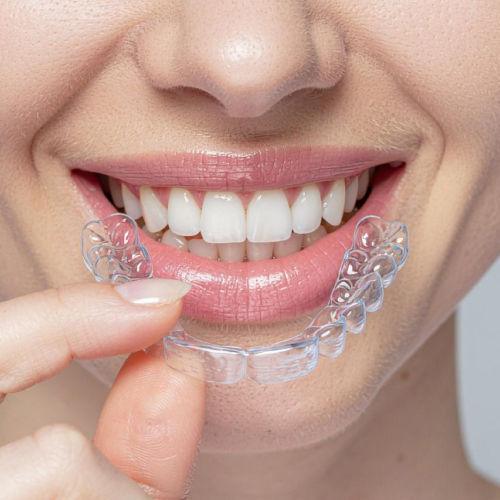
Why Your Invisalign Trays Aren't Fitting—And What to Do About It
Invisalign tray not fitting right in Cypress? Learn why gaps happen, what tracking means, and when refinements are needed. Call Cypress Family Dental.
Read More
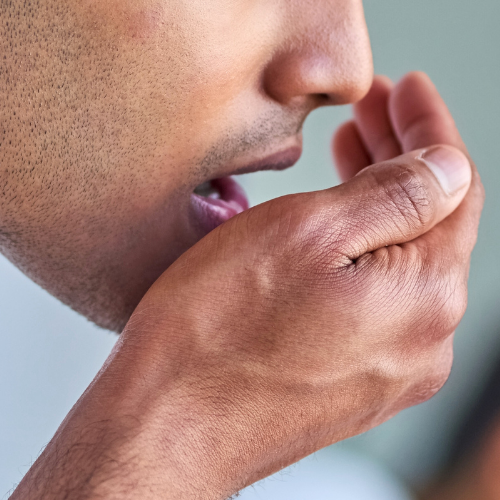
Mouth pain can disrupt your day and overshadow everything with its insistent throbbing. Whether it’s a sudden flare-up in your gums or persistent nerve pain in a tooth, understanding the causes and finding the right solutions is essential for relief and health. This guide delves into common mouth pain issues, offering expert advice to manage and potentially alleviate the discomfort.
Tooth nerve pain, often described as a sharp, piercing sensation, can be particularly debilitating. This type of pain generally signifies an underlying issue such as dental decay, a cracked tooth, or an abscess. One of the first steps in managing nerve pain is understanding that effective treatment can't be delayed.
Immediate Relief
Long-term Solutions
Numbing tooth pain, even if only temporarily, can provide significant relief and is a practical interim solution until you can consult with your dentist. Managing this discomfort effectively can help you continue with your daily activities without being overwhelmed by pain.
Over-the-Counter Anesthetics
Dental gels and ointments containing numbing agents such as benzocaine can be applied directly to the affected gum area and tooth. These products work by temporarily blocking nerve signals in the body, significantly reducing pain sensation. It is important to follow the application instructions carefully to maximize effectiveness and avoid further irritation.
Clove Oil
Clove oil is another effective natural remedy for numbing tooth pain. Its main component, eugenol, is a natural anesthetic and antiseptic that helps reduce pain and fight oral infections. To use clove oil, place a small amount on a cotton ball and dab it directly onto the affected tooth and surrounding gums. Alternatively, you can add a drop of clove oil to a small glass of water and use it as a mouth rinse for broader pain relief.
Salt Water Rinse
A simple salt water rinse can also help soothe tooth pain and reduce inflammation. Dissolve a teaspoon of salt in a cup of boiling water and allow it to cool to a warm temperature. Swish the solution around your mouth for about 30 seconds before spitting it out. This can cleanse the affected area, dislodge trapped food particles, and provide temporary pain relief.
Cold Compress
Applying a cold compress externally, on the cheek near the sore tooth, can also help numb the nerves and reduce any swelling associated with tooth pain. Use a cold pack or wrap ice in a cloth and apply it for 15 minutes on and 15 minutes off to prevent skin damage.
Pain Relievers
Non-prescription pain relievers can be taken to manage tooth pain. These medications not only help numb the pain but also reduce inflammation. Follow the recommended dosage and consider taking these pills with food to prevent stomach upset.
While these methods can provide temporary relief, it’s important to address the underlying cause of the pain to prevent more severe issues. Continuous or recurring tooth pain could be a sign of a more serious dental condition that needs professional treatment.
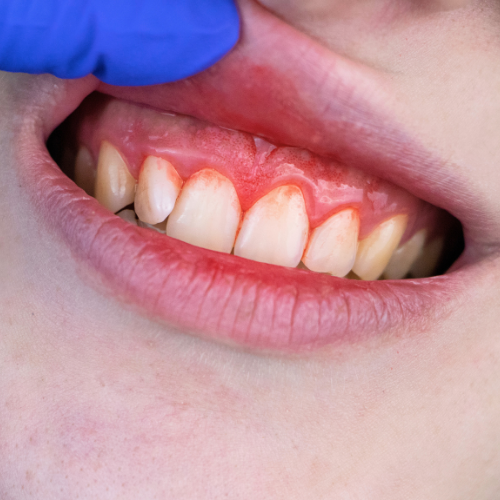
Experiencing sudden gum pain can be both alarming and uncomfortable, and it's important to understand the potential causes which may range from gum disease to hormonal changes or even infections.
Gingivitis
The most common cause of gum pain is gingivitis, an early stage of gum disease. Gingivitis is primarily caused by the buildup of plaque, a sticky film of bacteria that forms on your teeth. If not removed, plaque can harden into tartar, exacerbating gum irritation and leading to more serious gum disease. Regular dental cleanings and good oral hygiene can reverse the effects of gingivitis and restore gum health.
Hormonal Changes
Hormonal fluctuations during significant life stages such as pregnancy, menopause, or even monthly menstruation can make gums more sensitive and more susceptible to pain. During these times, increased levels of hormones such as progesterone and estrogen can cause an increase in blood flow to the gums, making them more tender and causing them to react more aggressively to any irritation from plaque or food particles.
Infection
Sudden gum pain can also be due to infections from food particles or foreign bodies getting trapped between the teeth and gums, leading to painful abscesses. These infections can cause a sudden onset of intense pain and might also be accompanied by swelling and fever. Dental infections require immediate professional treatment to drain the abscess and eliminate the infection.
Nutritional Deficiencies
Lack of essential vitamins such as vitamin C can also lead to gum pain and other oral health issues. Vitamin C deficiency, for example, can cause scurvy which leads to bleeding gums among other symptoms. Ensuring a balanced diet with adequate vitamin intake is essential for maintaining healthy gums.
Preventative Care
To prevent sudden gum pain and underlying conditions, maintaining a rigorous oral hygiene routine is crucial. Brushing at least twice a day with fluoride toothpaste, flossing daily, and using an antiseptic mouthwash can help minimize the risk of gum disease and infections. Additionally, regular dental check-ups are vital as they allow for early detection and treatment.
Understanding these factors and responding with appropriate oral care and professional guidance is the best way to handle sudden gum pain. If your gums hurt suddenly and persistently, it’s advisable to consult your dentist as soon as possible to determine the cause and appropriate treatment.
Mouth pain is not just an inconvenience; it's a signal from your body that something may be wrong. Whether it's nerve pain, temporary discomfort, or sudden gum pain, addressing the issue promptly with professional help is crucial. At Cypress Family Dental, we are dedicated to providing you with the care needed to diagnose and treat the root cause of your dental pain. Don't wait for the discomfort to become unbearable. Schedule your appointment today and take the first step towards a healthier, pain-free smile.
Fresh news from the dental world



Mon - Fri 8AM - 5PM
Sat & Sun Closed
Check out what our patients are saying in Cypress...
..png)

“The Doctors Are Just Stellar”
The sweetest people work here, I'm convinced! The ladies at the front desk always go out of their way to be kind and helpful, the hygienists listen to your concerns and will address them to their best ability, and the doctors are just stellar. I drive over 40 min from where I live to go here because it's rare to find a dental office this fantastic.

“They Are So Efficient”
This is the best dentist I have been to and I have been to several. The team is professional and welcoming. They are never over-booked and I have never waited more than 5 minutes in the lobby. They are so efficient, no matter what I go in for, I am out in 45 minutes or less. I highly recommend Cypress Family Dental.

“A Very Pleasant Experience”
My visit to the Cypress Family Dental office today was a very pleasant experience. The front desk staff greeted me upon entering the office and efficiently confirmed my scheduled appointment. I'm seen within a short time by professional, knowledgeable and comfortable staff. They're open to various types of insurance and are flexible on terms. Overall, I would definitely recommend Cypress Family Dental.

“The Staff Did A Great Job”
Came to Cypress Family Dental a year ago for my sleep apnea device. No more snoring! The staff did a great job fitting me for this oral appliance. Better yet, they were there to support me when I needed some adjustments later on. The front office staff couldn't have been more accommodating to schedule me in. Easy to recommend.

“They Truly Care”
The dentist and his staff are wonderful people! In the past, I have had horrible experiences at other dentist offices and then I found this place and I don't think I would ever go anywhere else again. I live about 45 min away from their office but the drive is well worth it. They truly care about their patients. I would recommend this office to anyone.
..png)
“They're All Top Notch”
I'm so happy to have found this awesome dentist with an awesome staff. I am completely confident in the doctor's skill level, and completely comfortable relying on him to work on me without allowing me to experience unnecessary pain. In addition to having a good relationship with the dentist, being able to relate with the office staff is equally important to me. From the hygienist to the dental assistants to the front desk, they're all top notch.
“The Doctors Are Just Stellar”
The sweetest people work here, I'm convinced! The ladies at the front desk always go out of their way to be kind and helpful, the hygienists listen to your concerns and will address them to their best ability, and the doctors are just stellar. I drive over 40 min from where I live to go here because it's rare to find a dental office this fantastic.
“They Are So Efficient”
This is the best dentist I have been to and I have been to several. The team is professional and welcoming. They are never over-booked and I have never waited more than 5 minutes in the lobby. They are so efficient, no matter what I go in for, I am out in 45 minutes or less. I highly recommend Cypress Family Dental.
Check out our accreditations, sources, and relationships in the wide world of dentistry...


Check us out and follow our Cypress dental practice on social media...


