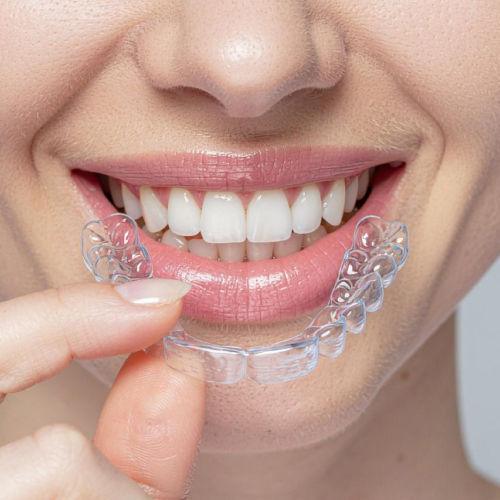
Why Your Invisalign Trays Aren't Fitting—And What to Do About It
Invisalign tray not fitting right in Cypress? Learn why gaps happen, what tracking means, and when refinements are needed. Call Cypress Family Dental.
Read More
Sleep is essential for our overall health, impacting everything from our mood to our physical well-being. However, many individuals suffer from sleep disorders that go undiagnosed and untreated. A sleep study, also known as polysomnography, can provide valuable insights into your sleep patterns and help diagnose various conditions. Here's what you need to know about sleep studies and their benefits.
A common question about sleep studies is whether you need to sleep on your back. The answer is no; you don't have to sleep on your back. Sleep studies are designed to monitor your natural sleep habits. If you usually sleep on your side or stomach, you should do so during the study. The goal is to replicate your typical sleep environment as closely as possible. By sleeping in your preferred position, the data collected will be more accurate and reflective of your regular sleep patterns.
For a sleep study to be effective, you typically need to sleep for at least six hours. This duration allows enough time to collect comprehensive data on your sleep stages, including REM (Rapid Eye Movement) and non-REM sleep. Each sleep stage plays a crucial role in your overall rest and recovery, and obtaining a full cycle helps in accurately diagnosing any issues. REM sleep, for example, is essential for cognitive functions like memory consolidation and mood regulation, while non-REM sleep is vital for physical restoration and immune system strength.
Even if you don't get a full night's sleep, the information gathered can still provide valuable insights into your sleep health. Studies have shown that many sleep disorders manifest their symptoms and irregularities within a few hours of sleep, making a shorter duration still useful for diagnosis. The quality of sleep during those hours is what primarily matters; hence, even fragmented or restless sleep patterns can reveal significant data.
Technicians can analyze patterns and interruptions in your sleep to identify potential disorders, such as sleep apnea, insomnia, or restless legs syndrome. For instance, frequent awakenings or abrupt changes in sleep stages can be indicative of underlying issues. Advanced monitoring equipment tracks your brain waves, heart rate, breathing patterns, oxygen levels, and muscle activity, providing a comprehensive view of your sleep architecture.
Moreover, understanding how long you need to sleep for a sleep study can alleviate concerns about the procedure. Many people worry they won’t be able to sleep in an unfamiliar environment, but sleep labs are designed to be as comfortable and accommodating as possible. Knowing that even a few hours can yield substantial results can help ease anxiety and lead to more accurate and meaningful data collection. The goal is to capture a realistic representation of your sleep habits, so rest assured that every minute of data is valuable.
In summary, while a minimum of six hours is ideal, the data obtained from any duration of sleep during the study can still be instrumental in diagnosing and treating sleep disorders. If you're experiencing symptoms that disrupt your sleep, don't hesitate to consult with your healthcare provider about undergoing a sleep study. The insights gained can be pivotal in improving your sleep quality and overall health.
Yes, a sleep study can reveal heart problems, providing critical insights into your cardiovascular health. During a sleep study, your heart rate and rhythm are meticulously monitored throughout the night using advanced equipment. This continuous monitoring captures a detailed record of your heart’s activity, allowing sleep specialists to detect any irregularities that might indicate underlying heart conditions.
For instance, sleep apnea, a common sleep disorder, is often linked with cardiovascular issues. Sleep apnea causes repeated interruptions in breathing, which can lead to significant fluctuations in heart rate and blood pressure. These fluctuations can stress the heart and blood vessels, potentially leading to or exacerbating conditions such as hypertension, arrhythmias (irregular heartbeats), and even heart failure. Identifying sleep apnea early through a sleep study can prompt timely interventions, such as CPAP (Continuous Positive Airway Pressure) therapy, which can stabilize breathing patterns and mitigate the associated cardiovascular risks.
In addition to sleep apnea, a sleep study can uncover other heart-related issues. Conditions such as atrial fibrillation (AFib), a common type of irregular heartbeat, can sometimes be detected during sleep studies. AFib can lead to serious complications like stroke if left untreated, so early detection is crucial. By monitoring the electrical activity of the heart, sleep studies can provide clues to the presence of AFib or other arrhythmias that might otherwise go unnoticed during regular daytime activities.
Moreover, a sleep study can reveal signs of nocturnal hypertension (high blood pressure during sleep), which is a significant risk factor for cardiovascular disease. Many people who have normal blood pressure during the day may experience elevated levels at night, and this nocturnal hypertension can be a precursor to more severe conditions if not addressed.
The data gathered during a sleep study not only helps diagnose these conditions but also aids in understanding how they interact with sleep patterns. For instance, sleep disorders can exacerbate heart conditions and vice versa, creating a cycle that impacts overall health. By identifying these issues through a sleep study, healthcare providers can develop a comprehensive treatment plan that addresses both sleep and cardiovascular health. This holistic approach can lead to better management of heart disease, improved sleep quality, and enhanced overall well-being.
Additionally, sleep studies can provide insights into the effectiveness of treatments for heart conditions. For example, if a patient with sleep apnea begins using a CPAP machine, a follow-up sleep study can help determine how well the treatment is working in terms of reducing cardiovascular stress and improving sleep quality. This ongoing monitoring ensures that treatment plans can be adjusted as needed to achieve the best possible outcomes for heart health.
If you suspect you have a sleep disorder or are experiencing symptoms like excessive daytime sleepiness, loud snoring, or interrupted sleep, it's time to take action. A sleep study can provide the answers you need and guide you toward appropriate treatment. In addition to scheduling a sleep study, consider a comprehensive dental exam at our office. Many sleep disorders, including sleep apnea, are closely linked to oral health, and our dental team can provide a thorough examination to identify any contributing factors.
Contact our dental office to schedule an appointment and start your journey to better sleep and improved health. Our team is here to help you achieve restful, restorative sleep for a healthier life. We look forward to supporting your overall well-being with both sleep studies and comprehensive dental care.
Fresh news from the dental world



Mon - Fri 8AM - 5PM
Sat & Sun Closed
Check out what our patients are saying in Cypress...
..png)

“The Doctors Are Just Stellar”
The sweetest people work here, I'm convinced! The ladies at the front desk always go out of their way to be kind and helpful, the hygienists listen to your concerns and will address them to their best ability, and the doctors are just stellar. I drive over 40 min from where I live to go here because it's rare to find a dental office this fantastic.

“They Are So Efficient”
This is the best dentist I have been to and I have been to several. The team is professional and welcoming. They are never over-booked and I have never waited more than 5 minutes in the lobby. They are so efficient, no matter what I go in for, I am out in 45 minutes or less. I highly recommend Cypress Family Dental.

“A Very Pleasant Experience”
My visit to the Cypress Family Dental office today was a very pleasant experience. The front desk staff greeted me upon entering the office and efficiently confirmed my scheduled appointment. I'm seen within a short time by professional, knowledgeable and comfortable staff. They're open to various types of insurance and are flexible on terms. Overall, I would definitely recommend Cypress Family Dental.

“The Staff Did A Great Job”
Came to Cypress Family Dental a year ago for my sleep apnea device. No more snoring! The staff did a great job fitting me for this oral appliance. Better yet, they were there to support me when I needed some adjustments later on. The front office staff couldn't have been more accommodating to schedule me in. Easy to recommend.

“They Truly Care”
The dentist and his staff are wonderful people! In the past, I have had horrible experiences at other dentist offices and then I found this place and I don't think I would ever go anywhere else again. I live about 45 min away from their office but the drive is well worth it. They truly care about their patients. I would recommend this office to anyone.
..png)
“They're All Top Notch”
I'm so happy to have found this awesome dentist with an awesome staff. I am completely confident in the doctor's skill level, and completely comfortable relying on him to work on me without allowing me to experience unnecessary pain. In addition to having a good relationship with the dentist, being able to relate with the office staff is equally important to me. From the hygienist to the dental assistants to the front desk, they're all top notch.
“The Doctors Are Just Stellar”
The sweetest people work here, I'm convinced! The ladies at the front desk always go out of their way to be kind and helpful, the hygienists listen to your concerns and will address them to their best ability, and the doctors are just stellar. I drive over 40 min from where I live to go here because it's rare to find a dental office this fantastic.
“They Are So Efficient”
This is the best dentist I have been to and I have been to several. The team is professional and welcoming. They are never over-booked and I have never waited more than 5 minutes in the lobby. They are so efficient, no matter what I go in for, I am out in 45 minutes or less. I highly recommend Cypress Family Dental.
Check out our accreditations, sources, and relationships in the wide world of dentistry...


Check us out and follow our Cypress dental practice on social media...


