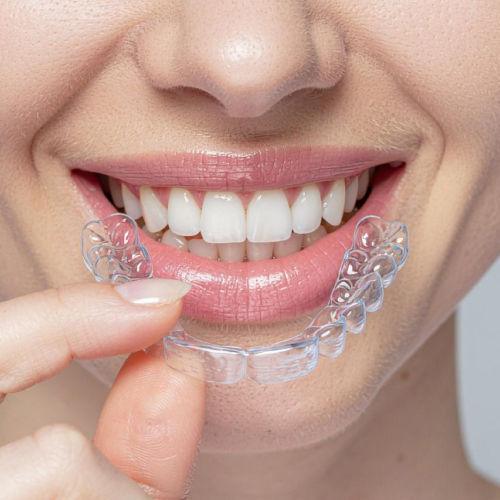
Why Your Invisalign Trays Aren't Fitting—And What to Do About It
Invisalign tray not fitting right in Cypress? Learn why gaps happen, what tracking means, and when refinements are needed. Call Cypress Family Dental.
Read More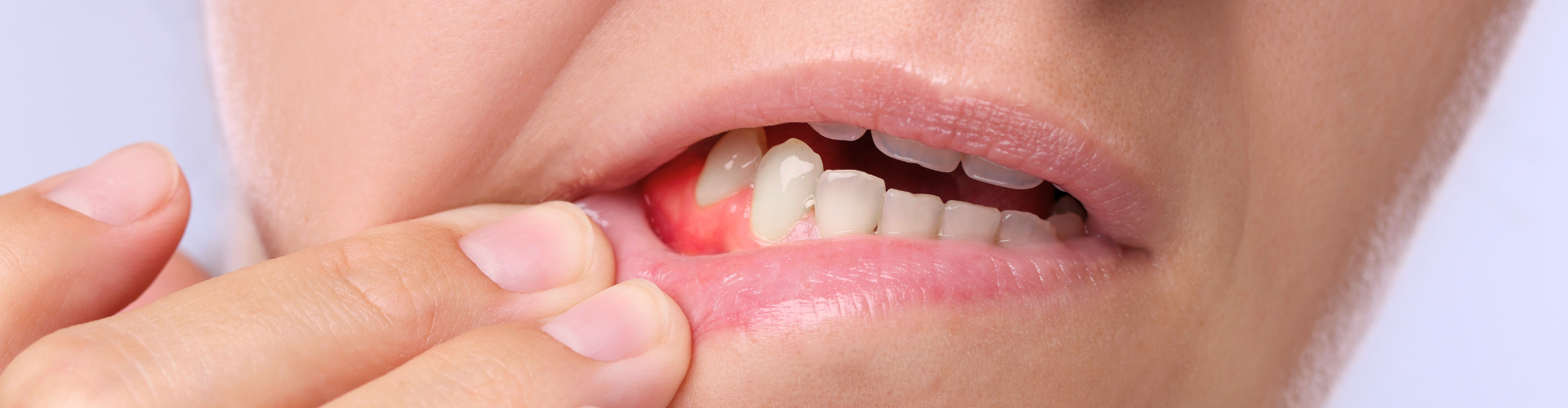
Most people think tooth loss starts with a cavity or a sudden accident. In reality, it often begins much more quietly. Gum disease does not announce itself loudly in the early stages. It develops gradually, sometimes without pain, and works beneath the surface long before a tooth ever feels loose. By the time someone notices a problem, the damage may already be well underway.
At Cypress Family Dental, we see this pattern often. Patients are surprised to learn that their teeth are strong, but the foundation holding them in place has weakened. Understanding how gum disease leads to tooth loss can make all the difference. With the right care and timing, this process is often preventable.
This article walks through how gum disease affects your mouth, why it can ultimately cause teeth to loosen or fall out, and what warning signs should never be ignored.
Your teeth rely on more than just enamel for support. Beneath the surface, there is a complex system working together to keep them stable and healthy. When gum disease develops, it attacks this support system first.
Healthy gums fit snugly around each tooth, acting like a protective seal. Under the gums lies the periodontal ligament, which connects the tooth to the jawbone, and the bone itself, which provides strength and stability. Gum disease disrupts all of this.
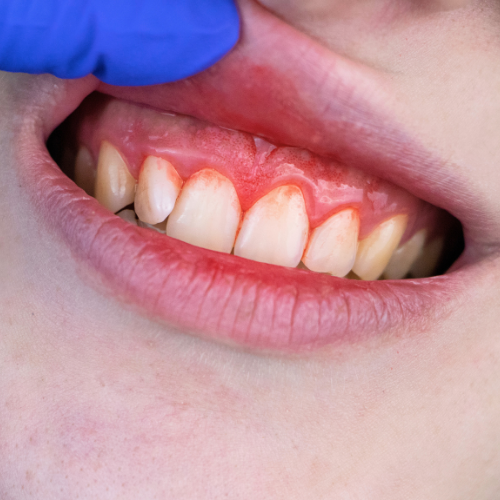
Gum disease usually starts as gingivitis. This early stage is caused by plaque buildup along the gumline. Plaque contains bacteria that irritate the gums, leading to inflammation.
Common early changes include:
At this stage, the damage is still reversible. Professional cleanings and improved oral care can often restore gum health.
If gingivitis is not treated, it can advance into periodontitis. This is where real harm begins.
As inflammation continues:
Over time, this leads to the gradual loss of bone and connective tissue that hold teeth in place. The tooth itself may still look fine, but its support system is slowly disappearing.
Once the jawbone begins to erode, teeth lose stability. This bone loss does not regenerate on its own. The more bone that is lost, the harder it becomes to keep teeth securely in place.
This is why gum disease is the leading cause of tooth loss in adults. It is not the tooth that fails first, but the foundation beneath it.
Yes, and this is one of the most misunderstood aspects of gum disease. Tooth loss from gum disease is usually gradual, not sudden, which is why it often catches people off guard.
Unlike trauma or severe decay, gum disease works quietly. Many patients do not feel pain until the later stages. By then, significant damage may already be present.
As gum disease progresses:
These changes happen over months or years, not overnight.
Teeth fall out only after their support is severely compromised. Before that happens, several things occur:
At this stage, even normal chewing forces can become too much for the weakened structures. Eventually, a tooth may become so loose that it needs to be removed or may come out on its own.
Another important point is that gum disease rarely affects only one area. Because it is driven by bacteria and inflammation, multiple teeth are often at risk at the same time.
Without treatment, patients may experience:
This is why early intervention matters so much. Treating gum disease early can protect not just one tooth, but the entire mouth.
One of the challenges with gum disease is that many people dismiss early symptoms as minor or temporary. Paying attention to warning signs can help prevent long-term damage.
Even mild symptoms are worth taking seriously. These include:
Bleeding gums are not normal, even if they are painless.
As gum disease advances, the symptoms become more noticeable. You may experience:
These signs suggest deeper infection and possible bone loss.
In later stages, the risk of tooth loss increases significantly. Warning signs may include:
At this point, professional treatment is essential to preserve as much bone and tooth structure as possible.
One reason gum disease leads to tooth loss so often is that it can remain unnoticed for a long time. Unlike cavities, which may cause sharp pain, gum disease often develops quietly.
Common reasons it is overlooked include:
Routine dental visits are often the first time gum disease is identified. Regular exams allow your dentist to measure gum pockets, check for bone loss, and catch problems early.
The good news is that gum disease does not automatically mean tooth loss. With timely care, progression can often be slowed or stopped.
Treatment options depend on severity but may include:
The earlier treatment begins, the more tooth structure and bone can be preserved.
Healthy gums do more than protect your smile. They support your ability to chew, speak, and maintain proper bite alignment. When gum disease undermines this foundation, the effects extend beyond a single tooth.
Long-term consequences of untreated gum disease may include:
Protecting your gums protects your entire mouth.
Gum disease does not have to lead to tooth loss. Awareness, early care, and regular dental visits can make a significant difference.
If you have noticed bleeding gums, gum recession, or changes in how your teeth feel, it is worth having them evaluated. These symptoms are your body’s way of signaling that something is wrong beneath the surface.
At Cypress Family Dental, we focus on identifying gum issues early and providing personalized care to help protect your teeth for the long term. If you have concerns about your gums or want to stay ahead of potential problems, scheduling an appointment is an important first step.
Your teeth depend on a healthy foundation. Taking care of your gums today can help you keep your smile strong for years to come.
Fresh news from the dental world




Mon - Fri 8AM - 5PM
Sat & Sun Closed
Check out what our patients are saying in Cypress...
..png)

“The Doctors Are Just Stellar”
The sweetest people work here, I'm convinced! The ladies at the front desk always go out of their way to be kind and helpful, the hygienists listen to your concerns and will address them to their best ability, and the doctors are just stellar. I drive over 40 min from where I live to go here because it's rare to find a dental office this fantastic.

“They Are So Efficient”
This is the best dentist I have been to and I have been to several. The team is professional and welcoming. They are never over-booked and I have never waited more than 5 minutes in the lobby. They are so efficient, no matter what I go in for, I am out in 45 minutes or less. I highly recommend Cypress Family Dental.

“A Very Pleasant Experience”
My visit to the Cypress Family Dental office today was a very pleasant experience. The front desk staff greeted me upon entering the office and efficiently confirmed my scheduled appointment. I'm seen within a short time by professional, knowledgeable and comfortable staff. They're open to various types of insurance and are flexible on terms. Overall, I would definitely recommend Cypress Family Dental.

“The Staff Did A Great Job”
Came to Cypress Family Dental a year ago for my sleep apnea device. No more snoring! The staff did a great job fitting me for this oral appliance. Better yet, they were there to support me when I needed some adjustments later on. The front office staff couldn't have been more accommodating to schedule me in. Easy to recommend.

“They Truly Care”
The dentist and his staff are wonderful people! In the past, I have had horrible experiences at other dentist offices and then I found this place and I don't think I would ever go anywhere else again. I live about 45 min away from their office but the drive is well worth it. They truly care about their patients. I would recommend this office to anyone.
..png)
“They're All Top Notch”
I'm so happy to have found this awesome dentist with an awesome staff. I am completely confident in the doctor's skill level, and completely comfortable relying on him to work on me without allowing me to experience unnecessary pain. In addition to having a good relationship with the dentist, being able to relate with the office staff is equally important to me. From the hygienist to the dental assistants to the front desk, they're all top notch.
“The Doctors Are Just Stellar”
The sweetest people work here, I'm convinced! The ladies at the front desk always go out of their way to be kind and helpful, the hygienists listen to your concerns and will address them to their best ability, and the doctors are just stellar. I drive over 40 min from where I live to go here because it's rare to find a dental office this fantastic.
“They Are So Efficient”
This is the best dentist I have been to and I have been to several. The team is professional and welcoming. They are never over-booked and I have never waited more than 5 minutes in the lobby. They are so efficient, no matter what I go in for, I am out in 45 minutes or less. I highly recommend Cypress Family Dental.
Check out our accreditations, sources, and relationships in the wide world of dentistry...


Check us out and follow our Cypress dental practice on social media...


