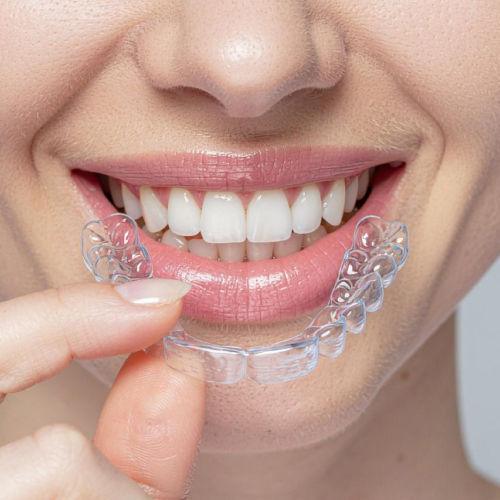
Why Your Invisalign Trays Aren't Fitting—And What to Do About It
Invisalign tray not fitting right in Cypress? Learn why gaps happen, what tracking means, and when refinements are needed. Call Cypress Family Dental.
Read More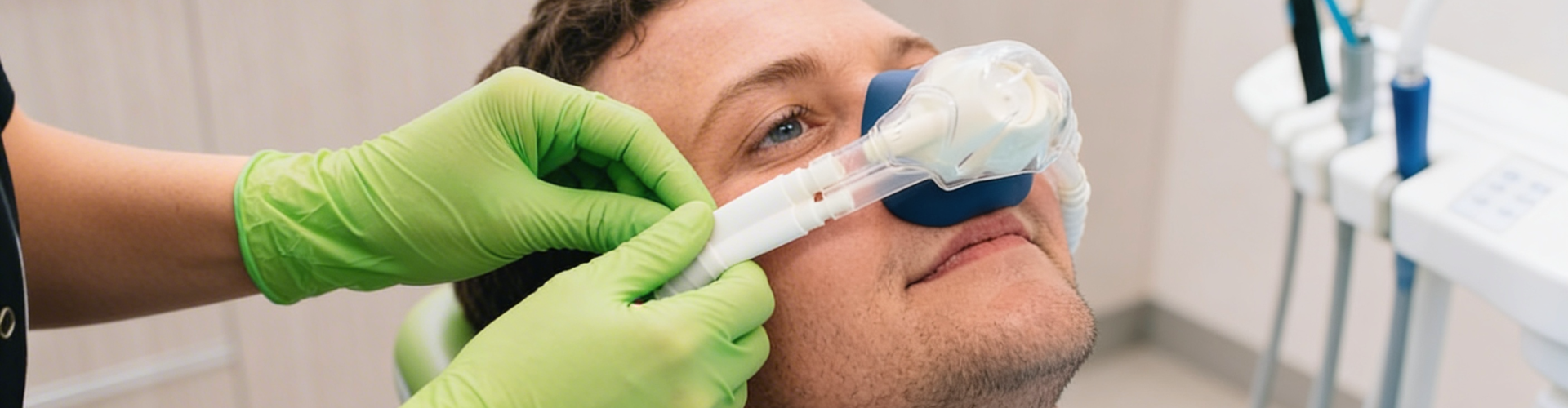
Look, I get it—dental anxiety is real. I've practiced in Cypress for years, and countless patients walk into our office nervous about their procedures. Conscious sedation has completely changed how we approach dental care for anxious patients.
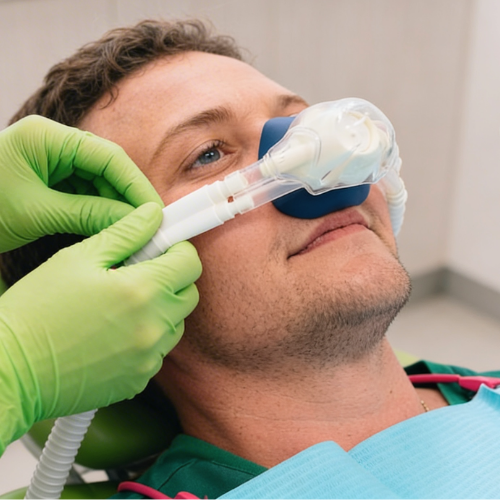
Conscious sedation (moderate sedation) helps patients relax during dental procedures while keeping them responsive and breathing on their own. You're not "asleep" like with general anesthesia; you're in a calm, relaxed state where you can still respond to us.
In our Cypress practice, we combine sedation with local anesthesia for both comfort and pain control. It makes procedures possible for patients who couldn't otherwise tolerate dental work. The safety profile is excellent when performed according to current ADA and AAPD guidelines, which we follow religiously.
But I understand you've got questions. Let me walk you through the most common concerns I hear from patients in the Cypress and La Palma communities.
This is the most common question I'm asked. People worry after hearing about rare complications. Fair enough.
Here's my honest take: sedation dentistry isn't inherently dangerous when done right. The key is "when it's done right." The American Dental Association and American Academy of Pediatric Dentistry have detailed guidelines we follow for patient safety—from pre-sedation evaluations and continuous monitoring to emergency preparedness.
We do a complete medical history review before every sedation case, checking for conditions that might increase risk and ensuring fasting guidelines are followed.
During the procedure, we continuously monitor your airway, breathing, heart rate, blood pressure, and oxygen levels. We are trained to recognize early signs of over-sedation and respond immediately if complications arise.
Minimal sedation (like nitrous oxide) has an extremely high safety margin. Moderate sedation is very safe with trained personnel, though it requires more intensive monitoring. Deep sedation and general anesthesia carry higher risks, requiring advanced training and specialized equipment.
We worry about risks like respiratory depression, airway obstruction, and cardiovascular complications. However, when we follow current evidence-based guidelines—proper dosing, appropriate monitoring, trained staff—these complications become extremely rare. Tragic outcomes, while rare, almost always occur when protocols weren't followed correctly, according to AAPD's patient safety policy.
Bottom line? I wouldn't offer sedation in our Cypress office if I didn't believe it was safe. We maintain equipment, stay current on training, and never cut corners on monitoring. The benefits—reduced anxiety, improved cooperation, successful dental work—far outweigh the risks when done correctly.
Honestly, this varies. Every patient experiences it differently, likely due to specific medications, dosing, metabolism, and anxiety levels.
Most patients describe feeling sleepy and deeply relaxed, a bit "floaty" or disconnected. Some compare it to the drowsy feeling right before sleep—aware of surroundings, but everything feels distant and unimportant.
Conscious sedation differs from general anesthesia: you maintain protective reflexes and can respond to us. If I ask you to open wider, you can. You're breathing on your own. Your eyes might be closed, but you're not unconscious.
Many patients have partial or no memory of the procedure, which is often exactly what anxious patients want. You come in, we administer the sedative (oral, IV, or nitrous oxide), you relax, we complete treatment, and the next clear memory is being in recovery, calm and ready to go home.
You'll need someone to drive you home. Your reaction time and judgment won't be 100%. We keep you in our office until you meet discharge criteria: breathing well, stable vital signs, and able to stand/walk with minimal assistance.
Recovery is generally quick compared to general anesthesia. Most patients feel normal within a few hours, though we recommend taking it easy for the rest of the day—no operating machinery or major decisions, as Healthline notes.
I've had patients barely remember arriving, and others who remember most of the procedure but felt unbothered. Both are normal. The goal isn't necessarily amnesia, but comfort and cooperation for the dental care you need.
This is where I need to be clear. Sedation and pain control are related but different.
Oral sedation reduces anxiety and alters pain perception, but it doesn't eliminate pain sensation entirely. That's why we always combine sedation with local anesthesia (numbing injections) for any invasive dental procedure.
A patient once thought "sedation dentistry" meant no numbing shots. We clarified that sedation helps him relax enough for the injections, and then the local anesthetic blocks the pain signals during the procedure.
The 2018 ASA guidelines, developed with dental organizations, explicitly state that sedation reduces pain perception but doesn't guarantee complete absence of pain without additional analgesics or local anesthesia. Both the ADA and AAPD recommend this combined approach for optimal outcomes, according to VeryWell Health.
Oral sedation raises your pain threshold and reduces your emotional response to discomfort. Things that might normally make you tense feel distant and tolerable. You're aware something's happening, but not bothered by it the same way.
That psychological shift makes a huge difference. Dental anxiety often worsens pain. Sedation breaks that cycle.
I think some practices oversell sedation as a replacement for proper local anesthesia, which isn't responsible care. You need both. Sedation handles anxiety; local anesthetic handles actual pain. We don't skip either in our Cypress practice.
We administer the oral sedative (often midazolam) before your procedure, wait for it to take effect, then provide local anesthesia before starting work. We monitor you throughout—vital signs, responsiveness—and are prepared for complications like nausea or over-sedation.
This combined approach is highly effective. Patients tell us they felt calm, comfortable, and barely aware of time passing. That's exactly our goal.
After years of providing sedation dentistry in Cypress, I can tell you it has transformed how we help anxious patients receive necessary care. Whether you face a complex procedure or struggle with routine cleanings, conscious sedation might be the solution.
At Cypress Family Dental, we follow all current ADA and AAPD safety guidelines. We don't rush or cut corners, ensuring you understand what to expect before, during, and after your sedation appointment.
If you're nervous about sedation itself, that's normal. Let's talk. We can discuss your medical history, answer your questions, and determine if sedation is right for you. For many of our Cypress and La Palma patients, it's the difference between avoiding dental care and protecting their oral health.
Ready to discuss your options? Call us to learn how we can make your next dental visit comfortable and stress-free.
Medical Disclaimer: This content is for informational purposes only and does not replace professional medical advice, diagnosis, or treatment. Always consult with a qualified healthcare provider.
Fresh news from the dental world



Mon - Fri 8AM - 5PM
Sat & Sun Closed
Check out what our patients are saying in Cypress...
..png)

“The Doctors Are Just Stellar”
The sweetest people work here, I'm convinced! The ladies at the front desk always go out of their way to be kind and helpful, the hygienists listen to your concerns and will address them to their best ability, and the doctors are just stellar. I drive over 40 min from where I live to go here because it's rare to find a dental office this fantastic.

“They Are So Efficient”
This is the best dentist I have been to and I have been to several. The team is professional and welcoming. They are never over-booked and I have never waited more than 5 minutes in the lobby. They are so efficient, no matter what I go in for, I am out in 45 minutes or less. I highly recommend Cypress Family Dental.

“A Very Pleasant Experience”
My visit to the Cypress Family Dental office today was a very pleasant experience. The front desk staff greeted me upon entering the office and efficiently confirmed my scheduled appointment. I'm seen within a short time by professional, knowledgeable and comfortable staff. They're open to various types of insurance and are flexible on terms. Overall, I would definitely recommend Cypress Family Dental.

“The Staff Did A Great Job”
Came to Cypress Family Dental a year ago for my sleep apnea device. No more snoring! The staff did a great job fitting me for this oral appliance. Better yet, they were there to support me when I needed some adjustments later on. The front office staff couldn't have been more accommodating to schedule me in. Easy to recommend.

“They Truly Care”
The dentist and his staff are wonderful people! In the past, I have had horrible experiences at other dentist offices and then I found this place and I don't think I would ever go anywhere else again. I live about 45 min away from their office but the drive is well worth it. They truly care about their patients. I would recommend this office to anyone.
..png)
“They're All Top Notch”
I'm so happy to have found this awesome dentist with an awesome staff. I am completely confident in the doctor's skill level, and completely comfortable relying on him to work on me without allowing me to experience unnecessary pain. In addition to having a good relationship with the dentist, being able to relate with the office staff is equally important to me. From the hygienist to the dental assistants to the front desk, they're all top notch.
“The Doctors Are Just Stellar”
The sweetest people work here, I'm convinced! The ladies at the front desk always go out of their way to be kind and helpful, the hygienists listen to your concerns and will address them to their best ability, and the doctors are just stellar. I drive over 40 min from where I live to go here because it's rare to find a dental office this fantastic.
“They Are So Efficient”
This is the best dentist I have been to and I have been to several. The team is professional and welcoming. They are never over-booked and I have never waited more than 5 minutes in the lobby. They are so efficient, no matter what I go in for, I am out in 45 minutes or less. I highly recommend Cypress Family Dental.
Check out our accreditations, sources, and relationships in the wide world of dentistry...


Check us out and follow our Cypress dental practice on social media...


