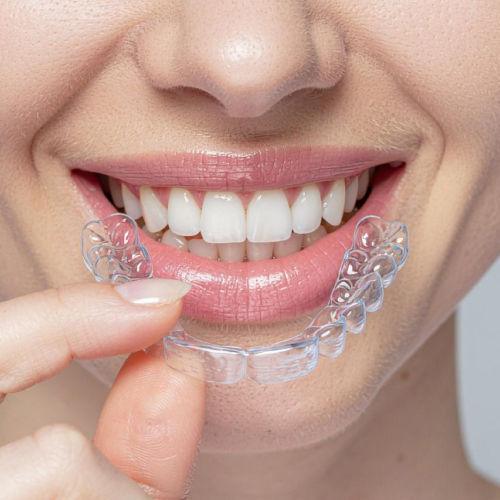
Why Your Invisalign Trays Aren't Fitting—And What to Do About It
Invisalign tray not fitting right in Cypress? Learn why gaps happen, what tracking means, and when refinements are needed. Call Cypress Family Dental.
Read More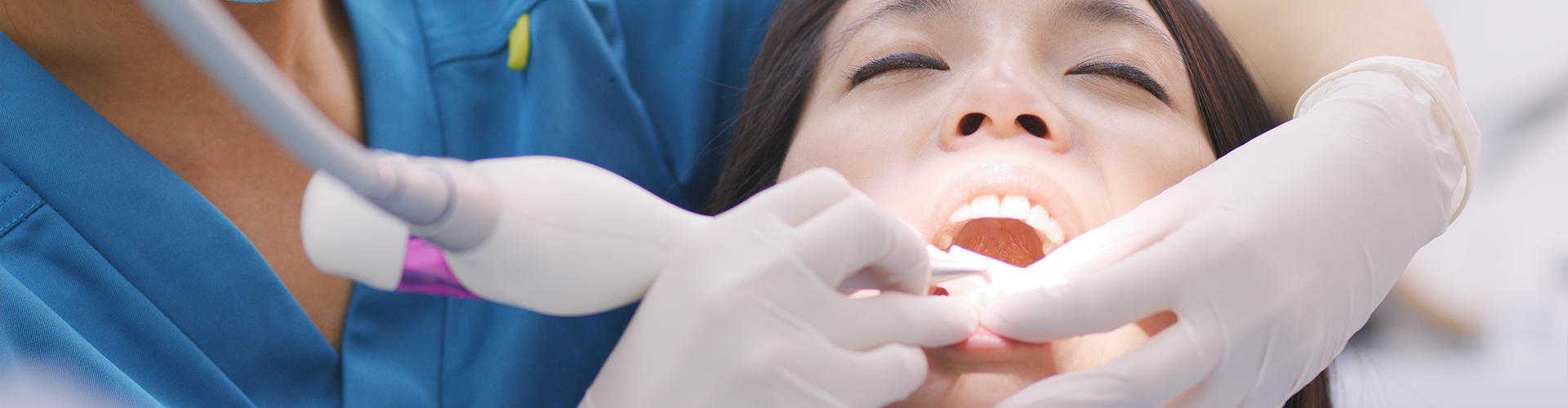
Oral health is a journey, not just a destination. And sometimes, that journey involves a deep cleaning procedure, known as scaling and root planing, to ensure your smile remains bright and healthy. But what happens after this procedure? Understanding the post-care process is crucial to maintaining your oral health and ensuring a quick and comfortable recovery. Let's dive into the key aspects of post-deep cleaning care.
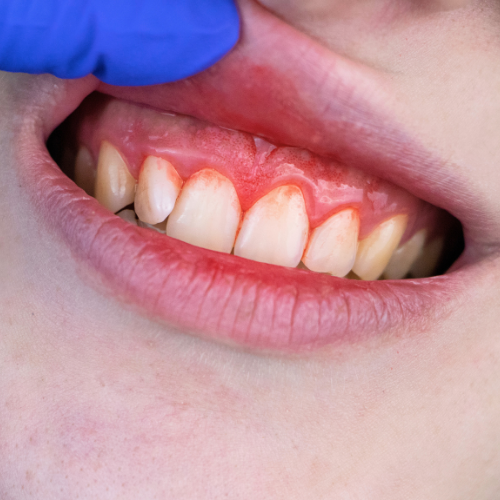
After a deep cleaning, your gums embark on a healing process that's both fascinating and crucial for your oral health. The time it takes for your gums to heal can vary depending on several factors, including the extent of the gum disease and your overall oral hygiene. Typically, most patients notice significant improvement within a few days to a week.
During this healing phase, it's common to experience some sensitivity and discomfort. However, these symptoms usually subside as your gums heal. To aid in this process, it's essential to follow a strict oral hygiene regimen as recommended by your dentist. This includes gentle brushing, flossing, and possibly using a special mouth rinse to reduce inflammation and promote healing.
Scaling and root planing, often referred to as a "deep cleaning," is a detailed and meticulous dental procedure designed to combat periodontal disease. It involves two primary stages: scaling, where the dentist removes plaque and tartar (calculus) from the tooth surfaces and beneath the gums, and root planing, where the root of the tooth is smoothed out to encourage the gums to reattach to the tooth, reducing the depth of gum pockets.
The duration of this procedure is not a one-size-fits-all matter. It largely depends on the extent of the gum disease and the amount of tartar buildup. For those with mild periodontal disease, scaling and root planing may be completed in one visit, typically lasting between 45 minutes to an hour. However, in cases of more severe gum disease, your dentist might recommend multiple sessions, focusing on one quadrant of the mouth at a time. This approach not only ensures thorough cleaning but also makes the procedure more manageable for the patient.
During each session, special tools are used to meticulously remove plaque and tartar from both above and below the gum line. Ultrasonic instruments may be employed, which use vibrations to break up tartar and plaque. These instruments often include a water irrigation system that helps to wash away the debris. Hand tools, such as scalers and curettes, are also used to manually remove buildup and smooth the tooth roots. This combination of tools allows your dentist to effectively treat gum disease by cleaning areas that are typically hard to reach.
It's important to note that while the procedure itself might be completed in a few sessions, the total journey to recovery can take longer. Following scaling and root planing, your gums need time to heal and reattach to your teeth. Your dentist will schedule follow-up visits to monitor your gums and ensure that the treatment was effective, making adjustments to your dental care plan as necessary.
Moreover, the success of scaling and root planing is not just dependent on the procedure itself but also on your post-treatment care. Adhering to good oral hygiene practices, including proper brushing and flossing techniques, and regular dental check-ups are essential to prevent the recurrence of periodontal disease.
While the time required for scaling and root planing can vary, this procedure is a critical step in treating periodontal disease and maintaining oral health. Your dentist's expertise, combined with your commitment to oral hygiene, plays a pivotal role in the success of this treatment.
After undergoing scaling and root planing, it's important to be aware of what to expect during the recovery phase. This period is crucial, as your gums and teeth are adjusting and healing from the procedure.
Initially, you may notice tenderness and mild bleeding in your gums. This is a common response to the deep cleaning process, as the areas beneath the gum line have been thoroughly cleaned, often after long periods of plaque and tartar buildup. Your gums might feel more sensitive than usual, especially to hot or cold temperatures. These sensations are typically temporary and should subside within a few days post-treatment.
Swelling and inflammation are also common. To alleviate discomfort, over-the-counter pain relievers such as ibuprofen or acetaminophen can be effective. Using a warm saltwater rinse several times a day can also aid in reducing gum swelling and soothing sore areas. However, it's essential to follow any specific instructions given by your dentist regarding medication and oral rinses.
Diet plays a significant role in your recovery process. It's advisable to stick to a soft diet for a few days following the procedure. Foods that are too hot, cold, spicy, or hard should be avoided, as they can irritate your already sensitive gums. Opt for lukewarm, soft foods like soups, yogurt, mashed potatoes, and scrambled eggs. Gradually reintroduce firmer foods as your comfort level improves.
In addition to dietary changes, your dentist may suggest modifications to your oral hygiene routine during the healing phase. Gentle brushing with a soft-bristled toothbrush and careful flossing are important to keep the area clean while avoiding further irritation to your gums. Your dentist might also recommend a special mouthwash to help control plaque and aid in the healing process.
Avoid certain activities that could hinder your recovery, such as smoking or using tobacco products. Tobacco can impede the healing process and increase the risk of complications. If you're a smoker, this might be a good opportunity to consider quitting or at least reducing your tobacco usage.
Finally, remember that post-treatment care is integral to the success of scaling and root planing. Regular dental check-ups and cleanings are essential to monitor your oral health and prevent the recurrence of periodontal issues. Follow your dentist's advice closely and maintain consistent communication about any concerns or unusual symptoms you may experience.
Scaling and root planing is indeed a proactive measure toward better gum health, but it's just one part of a comprehensive approach to maintaining your dental well-being. By understanding what to expect and how to care for your mouth post-procedure, you are taking a significant step towards a healthier, happier smile.
Understanding the post-care process of deep cleaning is vital for a speedy recovery and long-term oral health. If you've recently had a deep cleaning or are considering the procedure, remember that your journey to a healthier smile doesn't stop there.
At Cypress Family Dental, we're committed to guiding you through every stage of your oral health journey. We encourage you to schedule a follow-up appointment to ensure your gums are healing properly and to address any concerns you may have. Together, we can maintain your radiant smile and keep your teeth healthy for years to come. Contact us today to schedule your next appointment and take the next step in your oral health journey.
Fresh news from the dental world




Mon - Fri 8AM - 5PM
Sat & Sun Closed
Check out what our patients are saying in Cypress...
..png)

“The Doctors Are Just Stellar”
The sweetest people work here, I'm convinced! The ladies at the front desk always go out of their way to be kind and helpful, the hygienists listen to your concerns and will address them to their best ability, and the doctors are just stellar. I drive over 40 min from where I live to go here because it's rare to find a dental office this fantastic.

“They Are So Efficient”
This is the best dentist I have been to and I have been to several. The team is professional and welcoming. They are never over-booked and I have never waited more than 5 minutes in the lobby. They are so efficient, no matter what I go in for, I am out in 45 minutes or less. I highly recommend Cypress Family Dental.

“A Very Pleasant Experience”
My visit to the Cypress Family Dental office today was a very pleasant experience. The front desk staff greeted me upon entering the office and efficiently confirmed my scheduled appointment. I'm seen within a short time by professional, knowledgeable and comfortable staff. They're open to various types of insurance and are flexible on terms. Overall, I would definitely recommend Cypress Family Dental.

“The Staff Did A Great Job”
Came to Cypress Family Dental a year ago for my sleep apnea device. No more snoring! The staff did a great job fitting me for this oral appliance. Better yet, they were there to support me when I needed some adjustments later on. The front office staff couldn't have been more accommodating to schedule me in. Easy to recommend.

“They Truly Care”
The dentist and his staff are wonderful people! In the past, I have had horrible experiences at other dentist offices and then I found this place and I don't think I would ever go anywhere else again. I live about 45 min away from their office but the drive is well worth it. They truly care about their patients. I would recommend this office to anyone.
..png)
“They're All Top Notch”
I'm so happy to have found this awesome dentist with an awesome staff. I am completely confident in the doctor's skill level, and completely comfortable relying on him to work on me without allowing me to experience unnecessary pain. In addition to having a good relationship with the dentist, being able to relate with the office staff is equally important to me. From the hygienist to the dental assistants to the front desk, they're all top notch.
“The Doctors Are Just Stellar”
The sweetest people work here, I'm convinced! The ladies at the front desk always go out of their way to be kind and helpful, the hygienists listen to your concerns and will address them to their best ability, and the doctors are just stellar. I drive over 40 min from where I live to go here because it's rare to find a dental office this fantastic.
“They Are So Efficient”
This is the best dentist I have been to and I have been to several. The team is professional and welcoming. They are never over-booked and I have never waited more than 5 minutes in the lobby. They are so efficient, no matter what I go in for, I am out in 45 minutes or less. I highly recommend Cypress Family Dental.
Check out our accreditations, sources, and relationships in the wide world of dentistry...


Check us out and follow our Cypress dental practice on social media...


