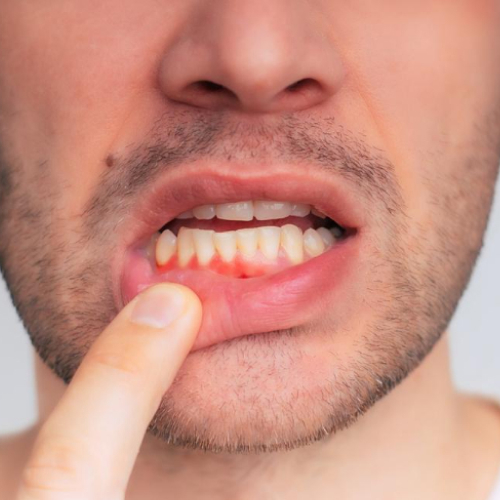
Can Gum Disease Be Cured Without Surgery? What Cypress Patients Need to Know
Wondering if gum disease can be cured without surgery? Discover non-surgical options for periodontitis at Cypress Family Dental. Schedule your consultation now!
Read More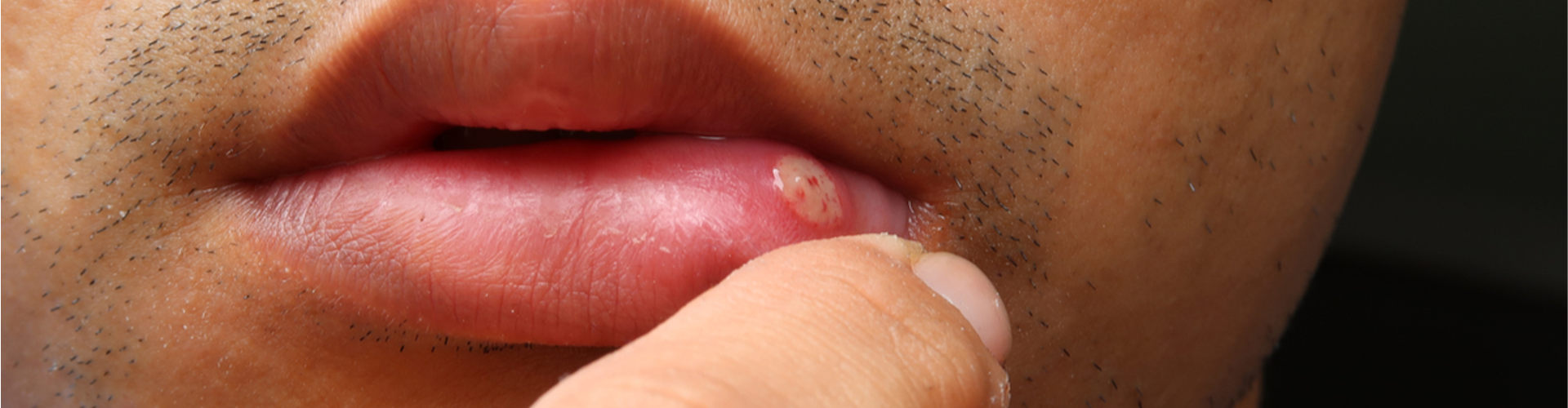
A canker sore is a common name for an aphthous ulcer. It is most commonly observed in people aged 15-50 yrs. It is also called a stress ulcer because of its etiology. They are small, painful sores that appear inside the mouth on the lips, cheeks, gums, and tongue. They can be painful at times and will pose problems while eating food. These are not contagious. Let’s discuss canker sores in detail in this blog. WHAT CAUSES CANKER SORES? Although many theories were proposed to explain the cause of aphthous ulcers, there appears to be no single causative factor. Many etiological factors contribute to aphthous ulcers, a few of them are: ● Hereditary ● Trauma ● Deficiency states ● Psychological factors ● Endocrine disorders ● Allergic conditions ● Infections ● Drugs ● Dermatological disorders ● Immunological disorders
WHAT ARE THE TYPES OF CANKER SORES? MINOR CANKER SORES: ● Small in size ● Oval in shape ● Red borders around the ulcer ● White papule in the center ● Reduces within 1 week MAJOR CANKER SORES: ● Larger in size ● Deep ulcers ● Irregular borders ● Peeling off of oral mucosa ● Redness ● May take more than a week to subside HERPETIFORM CANKER SORES: ● Viral in origin ● Seen in middle age ● Multiple pinpoint ulcers ● Corticosteroids are not used in this case, as these drugs tend to compromise immunity WHAT IS INSIDE A CANKER SORE? The white stuff inside your canker sore is dead tissue residue, and this is perfectly normal. The canker sore has destroyed the more superficial tissues of the tongue, but the destruction has exposed the underlying nerve endings, which results in the severe pain. CAN STRESS CAUSE CANKER SORES? The answer is YES. Recent studies prove that stress is also one of the major contributing factors for aphthous ulcers, and hence it has been given the name stress ulcer. Rightfully so, it is mostly observed in children and teenagers during their exam season. HOW DO CANKER SORES APPEAR? ● Burning sensation 24 hrs before a canker sore appears ● Localized redness in the area of ulcer ● Small white papule forms, ulcerates, gradually enlarges over next 48-72hrs ● Size of ulcer varies in different individuals ● Ulcers are usually seen on ○ The inner surface of lips ○ Cheeks ○ Sides of the tongue
HOW CAN IT BE DIAGNOSED? A canker sore typically lasts for 3-7 days, and major ulcers might last up to 6 weeks. It is non-contagious and will not spread to adjacent sites. Difficulty in eating can be experienced until the ulcer is reduced. If it is not reduced, see your dentist, and further blood work is needed to rule out any blood disorders or immunologic conditions. DOES PUTTING SALT ON A CANKER SORE HELP? The answer is NO. It may further irritate the ulcer leading to enlargement of the ulcer as salt acts as an irritant over the surface of the ulcer. It is recommended, however, to use a salt water mixture. HOW CAN CANKER SORE BE MANAGED? ● Do not constantly irritate the ulcer with your tongue ● Do not place salt or cloves on the ulcer as they may further irritate it ● Warm salt water rinse can help alleviate the pain and redness ● Water helps reduce the bacterial content on and around the ulcer, thereby promoting the healing ● Applying topical anesthetic gel prescribed by the dentist can help alleviate the symptoms ● Topical corticosteroid gels and antimicrobial mouthwashes can be used to reduce the symptoms A typical canker sore reduces in size and symptoms within a week or two. It is the most common sore that recurs in patients, so do not worry. Maintaining oral hygiene and diet helps maintain good immunity, thereby promoting early healing of these sores. If the conditions worsen, like oozing of blood and pus from an ulcer, severe pain, a severe intolerance to heat and spice even after 7 days, spreading of the ulcer to adjacent areas, or sores on the skin of hands and legs, immediately consult a dentist and a dermatologist for further treatment.
Fresh news from the dental world



Mon - Fri 8AM - 5PM
Sat & Sun Closed
Check out what our patients are saying in Cypress...
..png)

“The Doctors Are Just Stellar”
The sweetest people work here, I'm convinced! The ladies at the front desk always go out of their way to be kind and helpful, the hygienists listen to your concerns and will address them to their best ability, and the doctors are just stellar. I drive over 40 min from where I live to go here because it's rare to find a dental office this fantastic.

“They Are So Efficient”
This is the best dentist I have been to and I have been to several. The team is professional and welcoming. They are never over-booked and I have never waited more than 5 minutes in the lobby. They are so efficient, no matter what I go in for, I am out in 45 minutes or less. I highly recommend Cypress Family Dental.

“The Staff Did A Great Job”
Came to Cypress Family Dental a year ago for my sleep apnea device. No more snoring! The staff did a great job fitting me for this oral appliance. Better yet, they were there to support me when I needed some adjustments later on. The front office staff couldn't have been more accommodating to schedule me in. Easy to recommend.

“They Truly Care”
The dentist and his staff are wonderful people! In the past, I have had horrible experiences at other dentist offices and then I found this place and I don't think I would ever go anywhere else again. I live about 45 min away from their office but the drive is well worth it. They truly care about their patients. I would recommend this office to anyone.

“A Very Pleasant Experience”
My visit to the Cypress Family Dental office today was a very pleasant experience. The front desk staff greeted me upon entering the office and efficiently confirmed my scheduled appointment. I'm seen within a short time by professional, knowledgeable and comfortable staff. They're open to various types of insurance and are flexible on terms. Overall, I would definitely recommend Cypress Family Dental.
..png)
“They're All Top Notch”
I'm so happy to have found this awesome dentist with an awesome staff. I am completely confident in the doctor's skill level, and completely comfortable relying on him to work on me without allowing me to experience unnecessary pain. In addition to having a good relationship with the dentist, being able to relate with the office staff is equally important to me. From the hygienist to the dental assistants to the front desk, they're all top notch.
“The Doctors Are Just Stellar”
The sweetest people work here, I'm convinced! The ladies at the front desk always go out of their way to be kind and helpful, the hygienists listen to your concerns and will address them to their best ability, and the doctors are just stellar. I drive over 40 min from where I live to go here because it's rare to find a dental office this fantastic.
“They Are So Efficient”
This is the best dentist I have been to and I have been to several. The team is professional and welcoming. They are never over-booked and I have never waited more than 5 minutes in the lobby. They are so efficient, no matter what I go in for, I am out in 45 minutes or less. I highly recommend Cypress Family Dental.
Check out our accreditations, sources, and relationships in the wide world of dentistry...


Check us out and follow our Cypress dental practice on social media...


