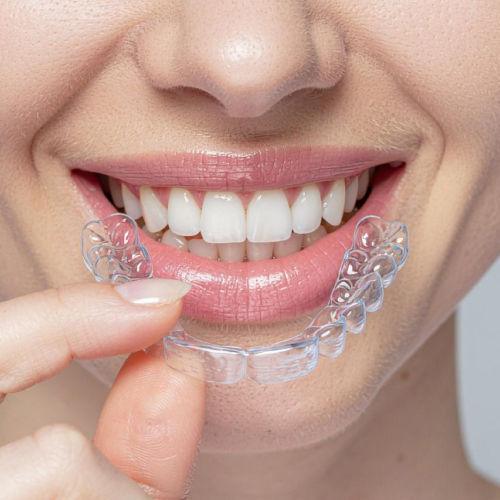
Why Your Invisalign Trays Aren't Fitting—And What to Do About It
Invisalign tray not fitting right in Cypress? Learn why gaps happen, what tracking means, and when refinements are needed. Call Cypress Family Dental.
Read More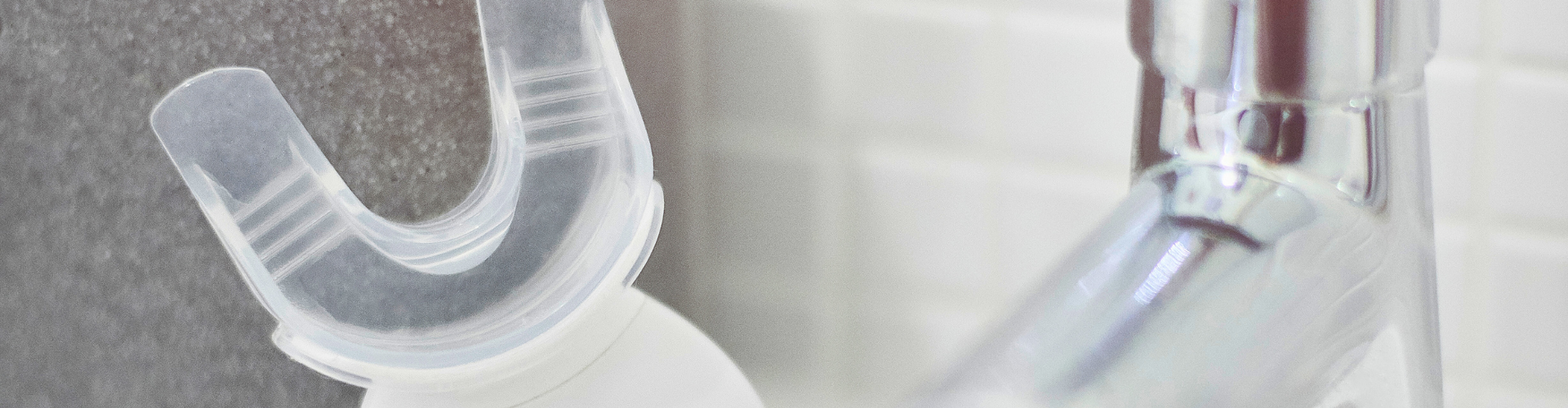
You have probably had that moment. You catch your reflection in a car mirror, a photo pops up, or you look in the bathroom light and think, “My teeth used to look brighter than this.”
Teeth naturally pick up color over time. Coffee, tea, red wine, certain foods, and even some mouthwashes can leave stains. If you have ever had braces, you might notice uneven shades in certain areas. If you are a fan of berries or curry, your smile may show it. None of this means your teeth are unhealthy. It just means you live a real life.
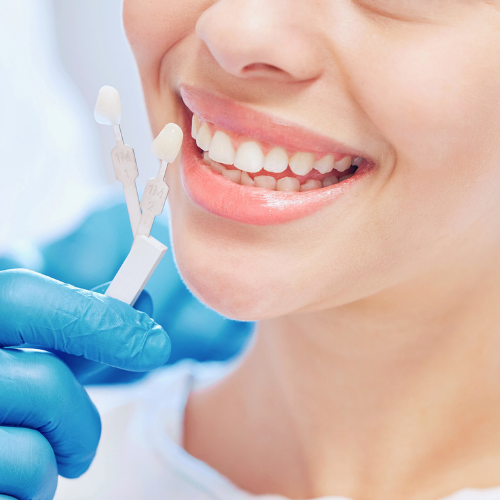
That is where take-home whitening comes in. It is a professional whitening option you can use on your own schedule, without sitting through a long in-office visit, and without guessing whether a random kit online will work or irritate your gums.
At Cypress Family Dental, take-home whitening is meant to be simple, comfortable, and predictable. You get professional-strength whitening with guidance, so you can actually enjoy the process instead of stressing about sensitivity or wasting money on products that barely change anything.
Below, we will walk through what take-home whitening really is, who it is best for, how to use it properly, and how it compares to store-bought kits. Along the way, you will also get practical tips that help you keep your results looking great.
Take-home whitening is not the same thing as grabbing whitening strips at the pharmacy.
A professional take-home kit typically includes:
The goal is even, controlled whitening without the guesswork. Because the trays fit your teeth closely, the gel stays where it is supposed to stay, which helps whitening happen more evenly while limiting gel contact with your gums.
There are two main kinds of discoloration:
Take-home whitening is especially effective for surface stains and many mild to moderate internal shade changes. Some deeper intrinsic stains can be tougher, and that is where a dentist’s guidance matters.
Let’s keep it honest: whitening is not magic, and it is not instant for everyone. But it can be a real confidence boost when it is done the right way.
Most patients notice:
And here is an underrated benefit: you stay in control. If your teeth start feeling sensitive, you can adjust the schedule and still get good results, instead of forcing yourself through discomfort.
Yes, they can be safe, but it depends on which “home whitening kit” we are talking about.
There is a big difference between:
What makes whitening unsafe
Whitening becomes risky when:
If you want safe, comfortable whitening, these are the basics:
A professional take-home kit is designed to reduce the most common problems, mainly gum irritation and uneven results, because it is customized for your mouth.
This is where most people go, “Oh… that makes sense.”
Store-bought whitening products can help, especially for mild stains, but they are built for the average mouth. Your mouth is not “average.” Your teeth have unique spacing, contours, and gumlines, and fit matters more than people think.
Key differences that actually matter
1. Custom fit vs one-size-fits-all
2. Better gel placement
3. Stronger, more controlled whitening
4. Less gum irritation
5. Real guidance when something feels off
To be fair, store kits can be fine when:
But if you are spending money repeatedly on strips and still feel unimpressed, take-home whitening is often the step that finally feels worth it.
The best whitening treatment is the one that matches your teeth, your sensitivity level, and your goals. Whitening is not one-size-fits-all, and the “best” option depends on what you value most.
Here is a practical way to think about it.
If you want fast results
In-office whitening can be a good fit if:
If you want flexibility and control
Take-home whitening is often the best choice if:
If you want mild, lower-commitment whitening
Over-the-counter whitening can work if:
Whitening gel works on natural tooth enamel. It does not change the color of:
So if you have dental work on front teeth, “best whitening” might include a strategy that keeps your smile looking even. That is exactly the kind of detail a dental visit can solve in minutes.
You can get a great kit and still end up with “meh” results if the routine is sloppy. Small habits make a big difference.
For best results:
Consistency beats intensity. Most whitening regret comes from doing too much too fast.
This comes up often, and it is worth addressing. Teeth can be clean and still look yellow because:
This is why whitening has a “ceiling.” You can brighten your smile, but you do not need a paper-white shade for it to look beautiful. In fact, the most flattering whitening results often look healthy and bright, not artificial.
Results can last anywhere from several months to a couple of years, depending on habits.
Whitening tends to last longer if you:
A dental cleaning plus whitening is a strong combo because cleaning removes surface buildup, and whitening then works on the underlying shade.
Sometimes whitening is not the best first step, even if you want whiter teeth.
Whitening may not be ideal if:
The fix might still be simple, but it should be the right fix.
Take-home whitening is for people who want results that look natural, feel manageable, and fit into real life. If you have been curious about whitening but worried about sensitivity, uneven results, or wasting money on another store kit, a professional take-home option can be a smart next step.
If you want to know whether take-home whitening is right for your teeth, schedule an appointment with Cypress Family Dental. We will check your teeth and gums, talk through your goals, and help you choose a whitening approach that makes sense for you.
Fresh news from the dental world



Mon - Fri 8AM - 5PM
Sat & Sun Closed
Check out what our patients are saying in Cypress...
..png)

“The Doctors Are Just Stellar”
The sweetest people work here, I'm convinced! The ladies at the front desk always go out of their way to be kind and helpful, the hygienists listen to your concerns and will address them to their best ability, and the doctors are just stellar. I drive over 40 min from where I live to go here because it's rare to find a dental office this fantastic.

“They Are So Efficient”
This is the best dentist I have been to and I have been to several. The team is professional and welcoming. They are never over-booked and I have never waited more than 5 minutes in the lobby. They are so efficient, no matter what I go in for, I am out in 45 minutes or less. I highly recommend Cypress Family Dental.

“A Very Pleasant Experience”
My visit to the Cypress Family Dental office today was a very pleasant experience. The front desk staff greeted me upon entering the office and efficiently confirmed my scheduled appointment. I'm seen within a short time by professional, knowledgeable and comfortable staff. They're open to various types of insurance and are flexible on terms. Overall, I would definitely recommend Cypress Family Dental.

“The Staff Did A Great Job”
Came to Cypress Family Dental a year ago for my sleep apnea device. No more snoring! The staff did a great job fitting me for this oral appliance. Better yet, they were there to support me when I needed some adjustments later on. The front office staff couldn't have been more accommodating to schedule me in. Easy to recommend.

“They Truly Care”
The dentist and his staff are wonderful people! In the past, I have had horrible experiences at other dentist offices and then I found this place and I don't think I would ever go anywhere else again. I live about 45 min away from their office but the drive is well worth it. They truly care about their patients. I would recommend this office to anyone.
..png)
“They're All Top Notch”
I'm so happy to have found this awesome dentist with an awesome staff. I am completely confident in the doctor's skill level, and completely comfortable relying on him to work on me without allowing me to experience unnecessary pain. In addition to having a good relationship with the dentist, being able to relate with the office staff is equally important to me. From the hygienist to the dental assistants to the front desk, they're all top notch.
“The Doctors Are Just Stellar”
The sweetest people work here, I'm convinced! The ladies at the front desk always go out of their way to be kind and helpful, the hygienists listen to your concerns and will address them to their best ability, and the doctors are just stellar. I drive over 40 min from where I live to go here because it's rare to find a dental office this fantastic.
“They Are So Efficient”
This is the best dentist I have been to and I have been to several. The team is professional and welcoming. They are never over-booked and I have never waited more than 5 minutes in the lobby. They are so efficient, no matter what I go in for, I am out in 45 minutes or less. I highly recommend Cypress Family Dental.
Check out our accreditations, sources, and relationships in the wide world of dentistry...


Check us out and follow our Cypress dental practice on social media...


