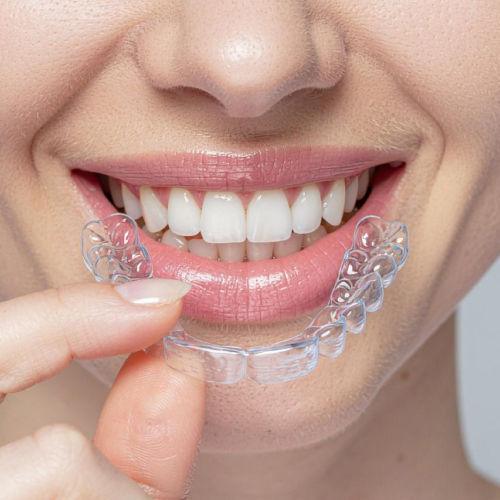
Why Your Invisalign Trays Aren't Fitting—And What to Do About It
Invisalign tray not fitting right in Cypress? Learn why gaps happen, what tracking means, and when refinements are needed. Call Cypress Family Dental.
Read More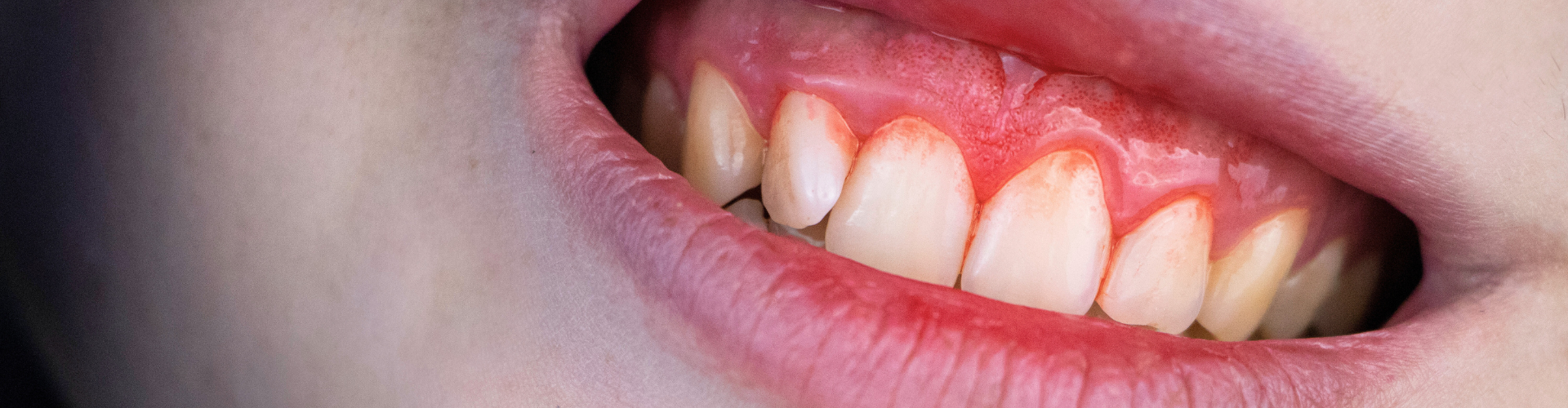
Most people have experienced it at least once. You brush your teeth, rinse, glance in the sink, and notice a faint pink swirl in the water. Or maybe you floss and see a streak of red on the string. It is easy to brush it off. No pun intended.
But bleeding gums are not random. They are one of the earliest and clearest signs that something in your mouth needs attention.
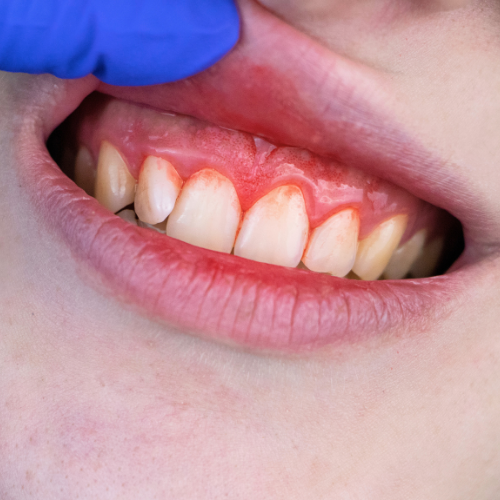
In many cases, bleeding gums point to gingivitis, the earliest stage of gum disease. The good news is that gingivitis is common, manageable, and often reversible when addressed early. The not so good news is that ignoring it can allow it to quietly progress into more serious forms of gum disease that affect not just your gums, but the bone that supports your teeth.
Let us talk about what bleeding gums really mean, why they happen, and how to get your gums back to a healthy, comfortable state.
Gingivitis is inflammation of the gums caused by a buildup of plaque along the gumline. Plaque is a sticky film of bacteria that forms on teeth every day. When plaque is not removed thoroughly and regularly, it irritates the gum tissue. Over time, this irritation leads to redness, swelling, tenderness, and bleeding.
You may notice signs such as:
One important thing to understand is that gingivitis often does not hurt. That makes it easy to overlook. Many people assume that if there is no pain, there is no problem. With gum disease, silence does not equal safety.
Healthy gums do not bleed.
Your gums are part of your body’s protective barrier. When they are inflamed, bacteria have an easier pathway into deeper tissues. Over time, untreated gingivitis can progress into periodontitis, a more advanced form of gum disease that can cause:
Catching gingivitis early is one of the easiest ways to prevent these complications.
Think of bleeding gums as an early warning system. They are giving you a chance to course-correct before bigger problems develop.
Bleeding during brushing or flossing usually comes down to inflammation. Inflamed gum tissue has fragile blood vessels that break easily when disturbed.
Here are the most common reasons this happens:
Plaque Buildup: When plaque sits along the gumline, bacteria release toxins that irritate the gums. The longer plaque remains, the more inflamed the gums become.
Inconsistent Oral Hygiene: If flossing is sporadic, the gums may bleed when you start again. This does not mean you should stop flossing. It means your gums are responding to inflammation and need consistent care.
Brushing Too Hard: Aggressive brushing can damage gum tissue and wear down enamel. A soft bristled toothbrush and gentle pressure are best.
Poorly Fitting Dental Appliances: Crowded teeth, ill-fitting crowns, or rough edges can trap plaque and irritate gums.
Hormonal Changes: Pregnancy, puberty, and certain hormonal shifts can make gums more sensitive and prone to bleeding.
Certain Medications: Some medications reduce saliva flow or affect gum tissue, increasing susceptibility to inflammation.
It is also worth noting that bleeding is not a sign that your gums are “getting used to” brushing. Healthy gums do not bleed, even when flossed daily.
In many cases, gingivitis can begin improving within one to two weeks of consistent, thorough oral care. Full resolution may take a bit longer depending on the severity and how much plaque buildup was present.
At-home care plays a major role in reversing early gingivitis.
Daily Habits That Make a Big Difference
Helpful Additions
Consistency matters more than perfection. A simple routine done well every day is more effective than an elaborate routine done occasionally.
However, at-home care alone cannot remove hardened plaque (tartar). Once plaque hardens, it can only be removed through professional cleaning.
That is why regular dental cleanings are essential. Professional cleanings reach areas that brushing and flossing miss and remove buildup that contributes to inflammation.
Gingivitis itself is a form of gum disease, but it is the earliest and mildest stage. The concern arises when inflammation becomes deeper and begins affecting the supporting structures of the teeth.
You should consider scheduling an evaluation if you notice:
These signs may indicate progression toward periodontitis, which requires professional treatment to control.
The difference between gingivitis and advanced gum disease is largely about depth. Gingivitis affects the surface gum tissue. Periodontitis involves deeper pockets around teeth and bone loss.
The earlier problems are addressed, the simpler treatment tends to be.
Gum health is influenced by more than brushing alone.
Some contributing factors include:
This does not mean gum disease is inevitable. It simply means some people may need a more proactive approach to prevention.
Even excellent brushing and flossing cannot completely remove plaque from every surface. Over time, plaque hardens into tartar, which creates a rough surface that attracts even more bacteria.
Professional cleanings:
Many patients are surprised to learn that their gums feel noticeably better after a thorough cleaning.
Cleanings are not just about polishing teeth. They are preventive therapy for your gums.
Healthy gums are:
If you cannot remember the last time your gums looked or felt this way, it may be time for a dental visit.
Small habits done consistently add up to big results.
One of the biggest misconceptions about oral health is that bleeding gums are just something that happens. They are common, yes. Normal, no.
Bleeding is a message. It is your body asking for help.
Listening early can save you discomfort, time, and more complex treatment down the road.
If your gums bleed when you brush or floss, you do not have to guess what is going on. A professional exam can determine whether you are dealing with early gingivitis or something more advanced and create a personalized plan to restore your gum health.
Healthy gums support healthy teeth, a comfortable bite, and a confident smile.
Schedule an appointment with Cypress Family Dental today to have your gums evaluated and take the first step toward a healthier mouth. Early care makes all the difference.
Fresh news from the dental world



Mon - Fri 8AM - 5PM
Sat & Sun Closed
Check out what our patients are saying in Cypress...
..png)

“The Doctors Are Just Stellar”
The sweetest people work here, I'm convinced! The ladies at the front desk always go out of their way to be kind and helpful, the hygienists listen to your concerns and will address them to their best ability, and the doctors are just stellar. I drive over 40 min from where I live to go here because it's rare to find a dental office this fantastic.

“They Are So Efficient”
This is the best dentist I have been to and I have been to several. The team is professional and welcoming. They are never over-booked and I have never waited more than 5 minutes in the lobby. They are so efficient, no matter what I go in for, I am out in 45 minutes or less. I highly recommend Cypress Family Dental.

“A Very Pleasant Experience”
My visit to the Cypress Family Dental office today was a very pleasant experience. The front desk staff greeted me upon entering the office and efficiently confirmed my scheduled appointment. I'm seen within a short time by professional, knowledgeable and comfortable staff. They're open to various types of insurance and are flexible on terms. Overall, I would definitely recommend Cypress Family Dental.

“The Staff Did A Great Job”
Came to Cypress Family Dental a year ago for my sleep apnea device. No more snoring! The staff did a great job fitting me for this oral appliance. Better yet, they were there to support me when I needed some adjustments later on. The front office staff couldn't have been more accommodating to schedule me in. Easy to recommend.

“They Truly Care”
The dentist and his staff are wonderful people! In the past, I have had horrible experiences at other dentist offices and then I found this place and I don't think I would ever go anywhere else again. I live about 45 min away from their office but the drive is well worth it. They truly care about their patients. I would recommend this office to anyone.
..png)
“They're All Top Notch”
I'm so happy to have found this awesome dentist with an awesome staff. I am completely confident in the doctor's skill level, and completely comfortable relying on him to work on me without allowing me to experience unnecessary pain. In addition to having a good relationship with the dentist, being able to relate with the office staff is equally important to me. From the hygienist to the dental assistants to the front desk, they're all top notch.
“The Doctors Are Just Stellar”
The sweetest people work here, I'm convinced! The ladies at the front desk always go out of their way to be kind and helpful, the hygienists listen to your concerns and will address them to their best ability, and the doctors are just stellar. I drive over 40 min from where I live to go here because it's rare to find a dental office this fantastic.
“They Are So Efficient”
This is the best dentist I have been to and I have been to several. The team is professional and welcoming. They are never over-booked and I have never waited more than 5 minutes in the lobby. They are so efficient, no matter what I go in for, I am out in 45 minutes or less. I highly recommend Cypress Family Dental.
Check out our accreditations, sources, and relationships in the wide world of dentistry...


Check us out and follow our Cypress dental practice on social media...


